I occasionally get information requests from my readers, and I'm sharing some of them here so other readers can benefit too. I think the question below is important as well.
"In e-commerce transactions, merchants that have the authority can process non-secure and mail order transactions separately. When I researched the main differences between these two transaction types, I couldn't find any difference other than the limit reduction for installment purchases. Could you give some information on this topic? For example, when we take card details from customers during telesales, we can send this transaction through the virtual POS as either mail order or non-secure, but we're not sure which one we should use. What is the difference behind the scenes (bank, fraudulent transactions, etc.), and in which situations should each be used?"
The answer to the question above: an authorization transaction that is triggered by a customer's request and entered by company staff through a screen should be treated as MO-TO (Mail Order - Telephone Order) and should be sent with this code in the authorization message.
Let's compare Mail Order and E-commerce transactions.
Mail Order (Mail Order/Telephone Order):
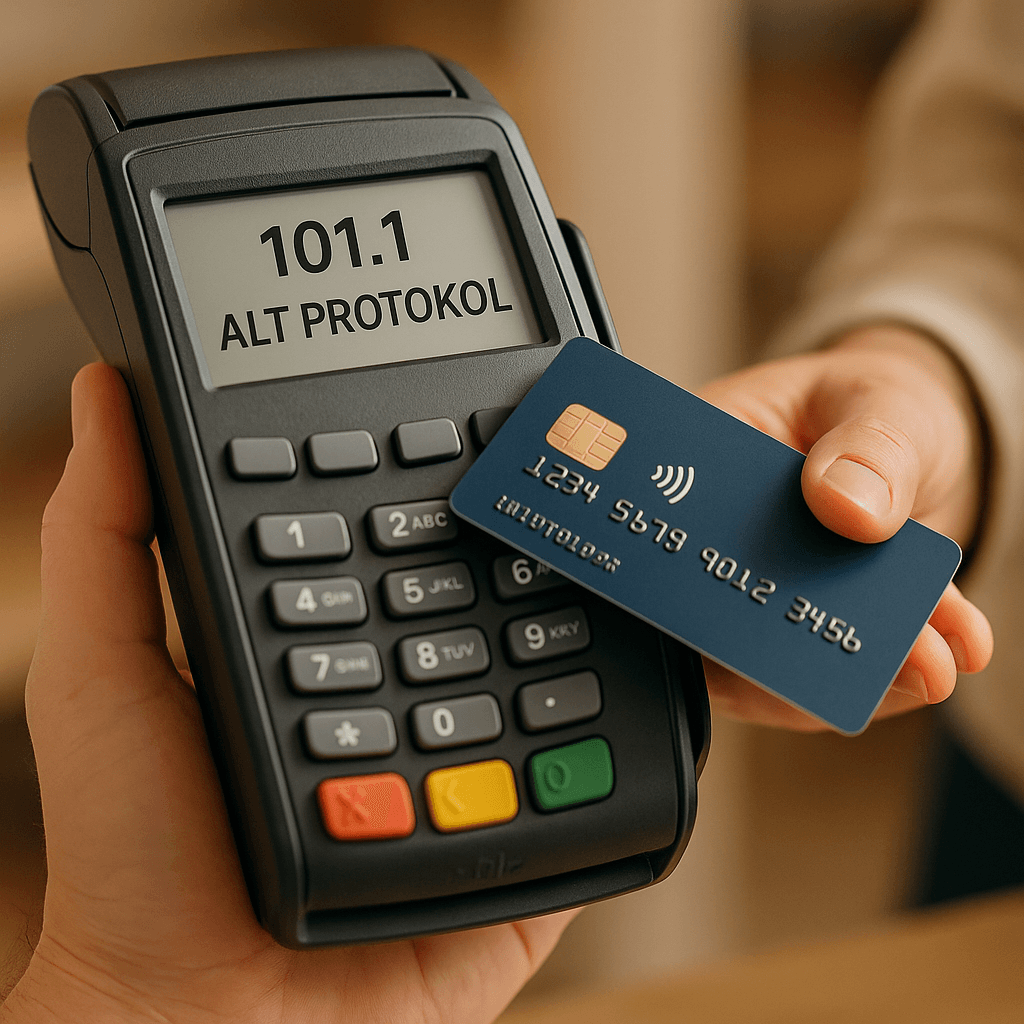
This is a transaction carried out by selecting the Mail Order option from the card menu on the POS, or through the virtual POS interface, by entering:
- Card number
- Expiry date
- CVV2 information.
Mail Order transactions are generally carried out in situations where the cardholder is not physically present during the transaction.
The Mail Order form contains the card's details (card number, issuing bank, expiry date, CVV2, etc.). The cardholder fills out the mail order form and sends it to the merchant. The merchant then charges the card for the transaction amount.
What are the advantages of a Mail Order transaction?
First of all, in installment Mail Order transactions, it is not the full transaction amount but the installment amount that is blocked and reflected on the card.
For example, in a 4-installment transaction of 1000 TL, the card is charged 250 TL each month for 4 months. The amount used from the card's limit is not 1000 TL, but changes to 250 TL each month.
What are the disadvantages of a Mail Order transaction?
- Since all card details must be shared for the card to receive authorization, the reliability of the company carrying out the transaction should be verified.
- There is a risk that the card details could be captured by malicious parties. For this reason, using a virtual card for Mail Order transactions is advisable.
How is Mail Order authority enabled on a card?
Mail Order authority is held on the credit card. To enable Mail Order authority on their card, the user should call the bank's Customer Contact Center, or enable it through internet banking/mobile banking.
If Mail Order authority is disabled, will the transaction receive authorization?
For the transaction to complete successfully, both the card and the POS must have Mail Order authority enabled.
If the card does not have Mail Order authority, the transaction is declined with error code 57.
If the POS does not have Mail Order authority, the transaction is declined with error code 58.
E-commerce:
An E-commerce transaction, in short, is an online transaction carried out when the customer enters their card details through a website.
What are the differences between Mail Order and E-commerce transactions?
- An E-commerce transaction is initiated by the cardholder, while a Mail Order transaction is carried out by the relevant company at the cardholder's request.
- E-commerce transactions can be carried out as either a single payment or in installments, while Mail Order transactions can only be carried out as a single payment.
- Mail Order transactions can be carried out recurrently, while E-commerce transactions occur only once at a time. (For example, for insurance payments, authorization may be requested on a specific day of each month so that the card's limit is blocked by the installment amount each time: for a 100 TL insurance payment in 10 installments, 10 TL is charged from the card each month.)
- E-commerce transactions can be carried out securely as 3D Secure, while Mail Order transactions are carried out as non-secure transactions.