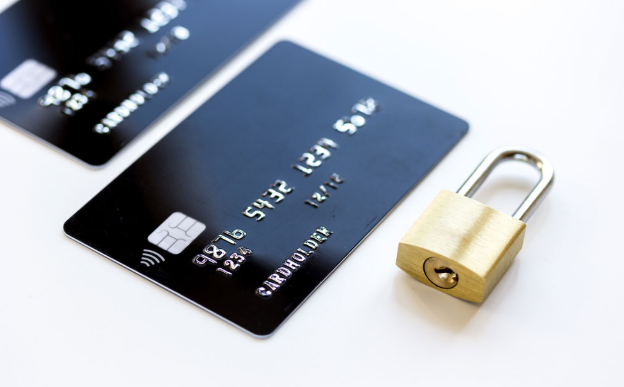
This is the name given to a list of problematic cards published by credit card companies such as Visa and MasterCard — cards that are lost, stolen, expired, over their limit, counterfeit, or flagged for other reasons. It is referred to as the 'MasterCard Warning Notice' by Mastercard and the 'Visa Card Recovery Bulletin' by Visa.
Merchants need to check this list to determine whether a card is suspicious.
Today, records of problematic or illegal credit cards are maintained electronically and updated continuously by card companies for fast and easy merchant access. Card recovery bulletins are still published, but they are generally used by merchants outside the United States.
From printed lists to electronic systems
Before electronic authorization systems became widespread, merchants checked whether a card was problematic by looking it up in printed bulletins. These bulletins were published at regular intervals and distributed to merchants. Today, since the vast majority of transactions are approved online, the card's status is checked with the issuing bank at the moment of the transaction.
Electronic warning lists
Card schemes publish electronic warning lists (exception files) for use in offline transactions or when the bank cannot be reached. These lists are regularly loaded onto terminals and into the systems of merchant acquiring banks. In Turkey, the Combined Warning List (BUL) is used for a similar purpose for domestic cards.
From the cardholder's perspective
When a cardholder reports their card as lost or stolen, the card is closed in the bank's system and added to the warning lists if necessary. This way, the card becomes unusable in offline transactions as well as being declined in online transactions.
If a transaction is made with a card on the warning list
A merchant that approves a transaction made with a card on the warning list may be held liable for any resulting loss. For this reason, keeping the lists up to date and performing checks correctly is important for acquiring banks.