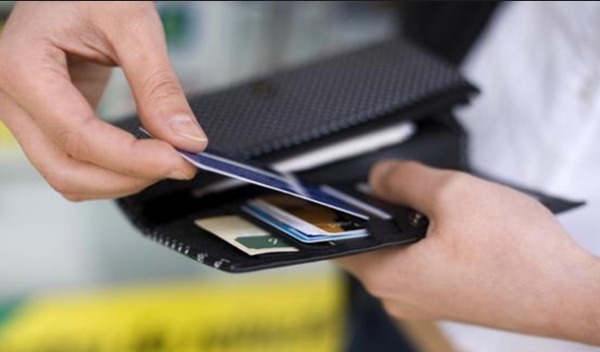
Nearly all of us have at least one credit card in our wallet, and we use credit cards for almost all of our transactions. A credit card is a good tool both for tracking spending and for making the most of the opportunities offered by evolving technology.
So, is there a rule to using a credit card? What should you pay attention to when using a credit card?
There are certainly tips and tricks to using a credit card. The most important of these is making sure not to spend more than your income, regardless of your credit card limit.
What are the common mistakes made when using a credit card? Let's take a look at them together:
Delaying Payment:
Users generally tend to spend up to their card limit regardless of their income. For this reason, cardholders without a regular income in particular are likely to delay paying their credit card debt. However, most cardholders don't realize that delaying card debt is worse than paying only the minimum amount. Not only do you pay late-payment interest, but your credit score may also drop and your credit applications may be rejected because your credit card payments aren't being made regularly.
Getting a Card You Don't Need:
Everyone should get and use only as many cards as they need. In particular, you shouldn't give in to a bank's persistence and get a credit card without first evaluating whether you actually need it. Even if you keep a card you don't need in your wallet without ever using it, you may still have to pay an annual card fee for it. You might even miss the fee notice, fail to pay it, and end up receiving an enforcement notice due to the overdue card debt. The interest, account maintenance fees, annual fees, and other charges on the cards you use can make up a large portion of your spending.
Underpaying Your Credit Card Debt
Spending more than you can afford, using cash advances, consistently underpaying your debt, and letting the debt keep compounding are other issues that often go unnoticed. In this case, having to constantly pay interest means paying unnecessary amounts out of our own pocket.
Becoming a Cardholder Without Realizing It
You need to pay particular attention to the contents of agreements signed when taking out a loan. One of the contract clauses may be a condition requiring you to take a credit card. By signing the agreement, you may unknowingly accept the credit card as well. Before you know it, the card arrives by courier and you never use it. A few years later, enforcement proceedings arrive for a card you never used. The annual card fee had been charged, and you fell into collections. You had no idea. To avoid this, you should close cards you don't use and not carry them in your wallet.
Being Unaware of Insurance Added to Your Credit Card
Consider this scenario: "Due to the payment policy of an institution you're a member of because of your profession, you had to get a credit card from a bank. Insurance was added along with the card request without your knowledge. The insurance payments, also added without your knowledge, were set to be collected from the credit card. You only found out when your credit card statement arrived. You ended up having to pay almost as much in insurance premiums as your entire monthly spending." In this situation, you may end up stuck with extra payments on a credit card you took out as a courtesy. It's important to be careful.
Not Paying Attention to Interest Rates
The most important point to watch when using a credit card is to use the card and pay off the balance by the due date. Otherwise, you may face serious interest charges. The late-payment rates applied to credit cards are quite high. Those unaware of this may end up paying significant amounts on every statement they delay.
Not Reading Agreements Carefully
To get a credit card, the credit card agreement must be signed. Since these agreements are usually several pages long, customers often sign without reading them. As a result, all the clauses within the agreement are accepted.
Even if a card isn't used, it still needs to be monitored. Otherwise, we may end up facing a card fee being charged, that charge going unpaid, and an extra fee being charged due to the resulting overdue amount.
Leaving a Balance on Your Credit Card
You've decided you don't plan to use your credit card anymore and decided to close it. You paid off the entire balance on your card. But because you paid your statement late, you weren't aware of the extra fees charged. Even if very small, this remaining balance on your card can grow larger each month and eventually turn into a significant amount that becomes a headache. When closing your card, you should make sure there's truly no balance left, and be mindful that a charge could potentially still be added.
Cutting Up Your Credit Card and Throwing It Away
You paid off all your credit card debt and closed the card. The bank employee even said, "You can cut up your card and throw it away." Years later, you received a notice that enforcement proceedings had started against you over a debt of more than 500 TL. When you had the accounts checked, you found that your card's debt had been paid, but because the card was never actually canceled, a statement fee of 2.5 TL had been charged, and this amount had compounded over the years and gone to collections. Simply cutting up and discarding the card isn't enough; even after closing your card, it's important to check whether you still have a balance for a certain period.
In short, a credit card is the best payment tool for those who know how to use it, and a payment tool that can cause serious problems for those who don't. By the principle of "stretching your legs only as far as your blanket reaches," we should use our card limit according to our income, keep a close eye on the charges applied to our card, and keep monitoring our card for a while even after closing it.



