In the past, a credit card was generally issued to people with a certain income, and supplementary cards were issued so that the primary cardholder's relatives could also use cards. However, with the arrival of prepaid cards, this arrangement has changed considerably. With the "Use and Discard" or "Top Up and Use" feature, parents in particular became able to manage their children's spending.
It was obvious that this was only a beginning and that this arrangement would become more widespread and develop further in the coming period. For example, balances loaded onto the card for canteen spending could not be prevented from being used by children outside the canteen (in places where parents did not want spending to take place).
The Manibux app appears as an application that emerged as a solution to this need.
Manibux, an allowance app founded to make life easier for families and children, has started to serve in schools as well with its new K12 application.
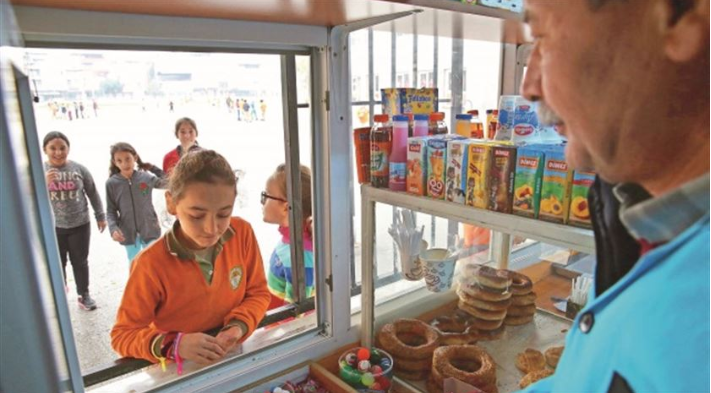
In the first phase of the app, parents loaded balances onto their children's cards for use in their social lives. Now, with K12, students will also be able to use the Manibux card at school canteens and cafeterias. Thanks to two different wallet options in the app, named "allowance" and "canteen", parents will be able to load different balances for their children.
The balance that parents load into the canteen wallet can only be used at schools, while the balance loaded into the allowance wallet can be used at the brands that Manibux has agreements with.
If we list the advantages that Manibux brings;
- it makes it easier for children to learn financial literacy.
- it offers students advantages through many discounts and campaigns.
- it removes the problems caused by the untraceability of cash.
- it prevents children from spending money on bad habits.
Although it looks at first like an app designed for parents, it is actually very important for children to move toward using cards, to be able to manage their spending and to build correct spending habits.
What kind of expectations do you think students who meet cards at school desks and monitor their allowance and spending digitally will have of payment systems in the future? Young people who learn to use cards will prefer to pay with their mobile phones, and may even prefer to pay with face recognition or retina scanning. Digitalization in payment systems is not an added feature; it is a necessity. Companies that fail to keep up with digitalization are doomed to disappear in the coming period.
Therefore, to remain relevant in payment systems, the companies that succeed in following new technologies and trends and keeping their customers satisfied will be the ones that survive.