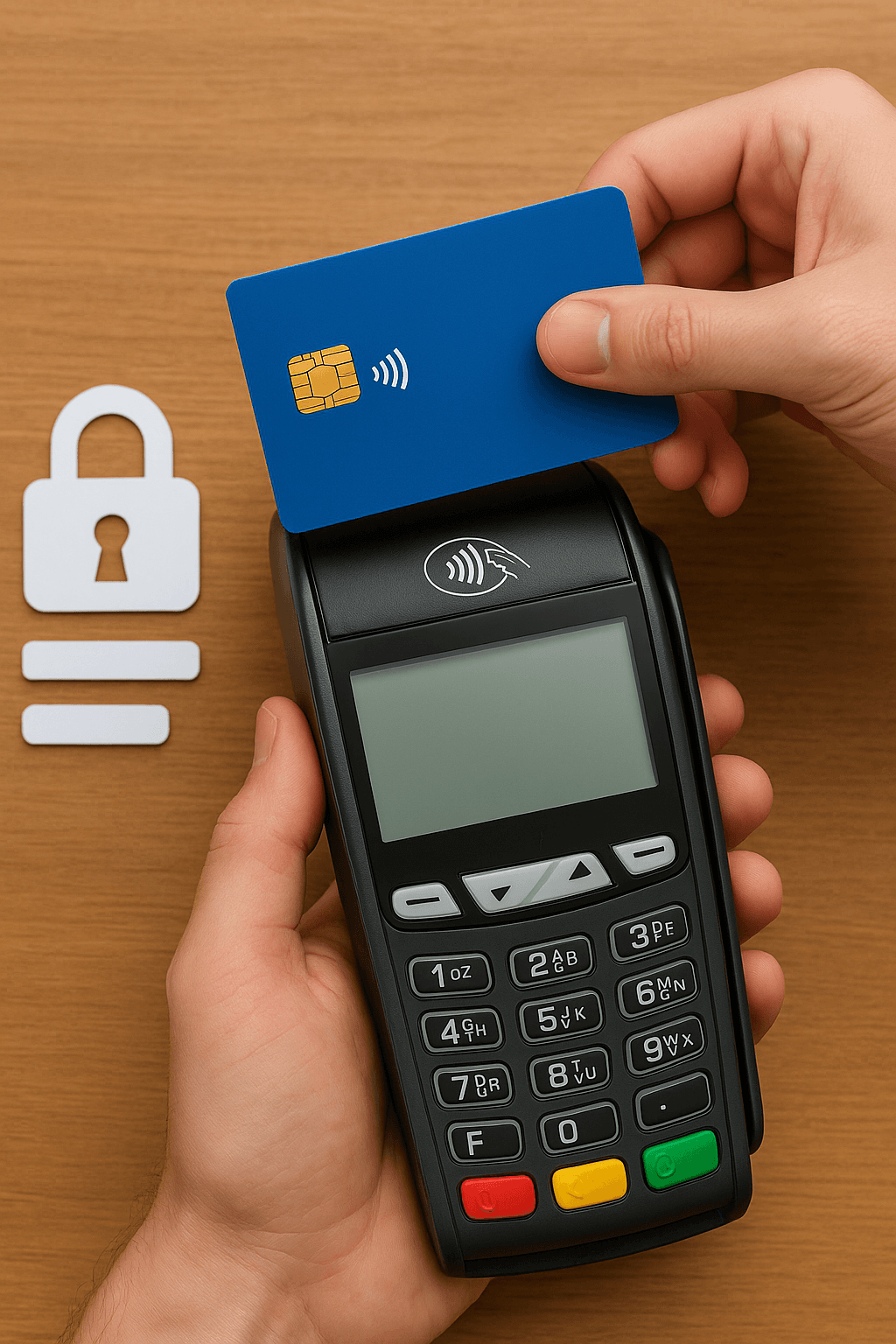
A debit-featured card issued to a sole proprietorship, a commercial company, or a foundation/association is called a commercial debit card.
Operationally, it is no different from a personal debit (ATM) card.
It has its own limit, status, and user.
When a transaction is made with a commercial debit card, the transaction amount is automatically deducted from the customer's current account, so no statement is issued as with credit cards.
Differences from a personal debit card
Although it operates similarly to a personal debit card, commercial debit cards are shaped around companies' needs:
- The card is linked to the company's commercial account.
- The company can issue cards to multiple employees and define a separate spending limit for each card.
- Cards can be restricted from use in certain sectors.
Benefits for companies
- The need to give employees cash advances for business expenses is reduced.
- Since spending is shown in detail in the account statement, expense tracking and bookkeeping become easier.
- Since spending is deducted from the account instantly, the company spends without taking on debt.
Difference from a commercial credit card
With a commercial credit card, spending is made against the limit granted by the bank and paid during the statement period. With a commercial debit card, spending is made directly from the balance in the company's account. For this reason, a commercial debit card is preferred in cases where the company does not want to take on debt but still wants to benefit from the convenience of card payments.
Application
To get a commercial debit card, the company must have a commercial account at the relevant bank. The application is usually made by the company's authorized representative.