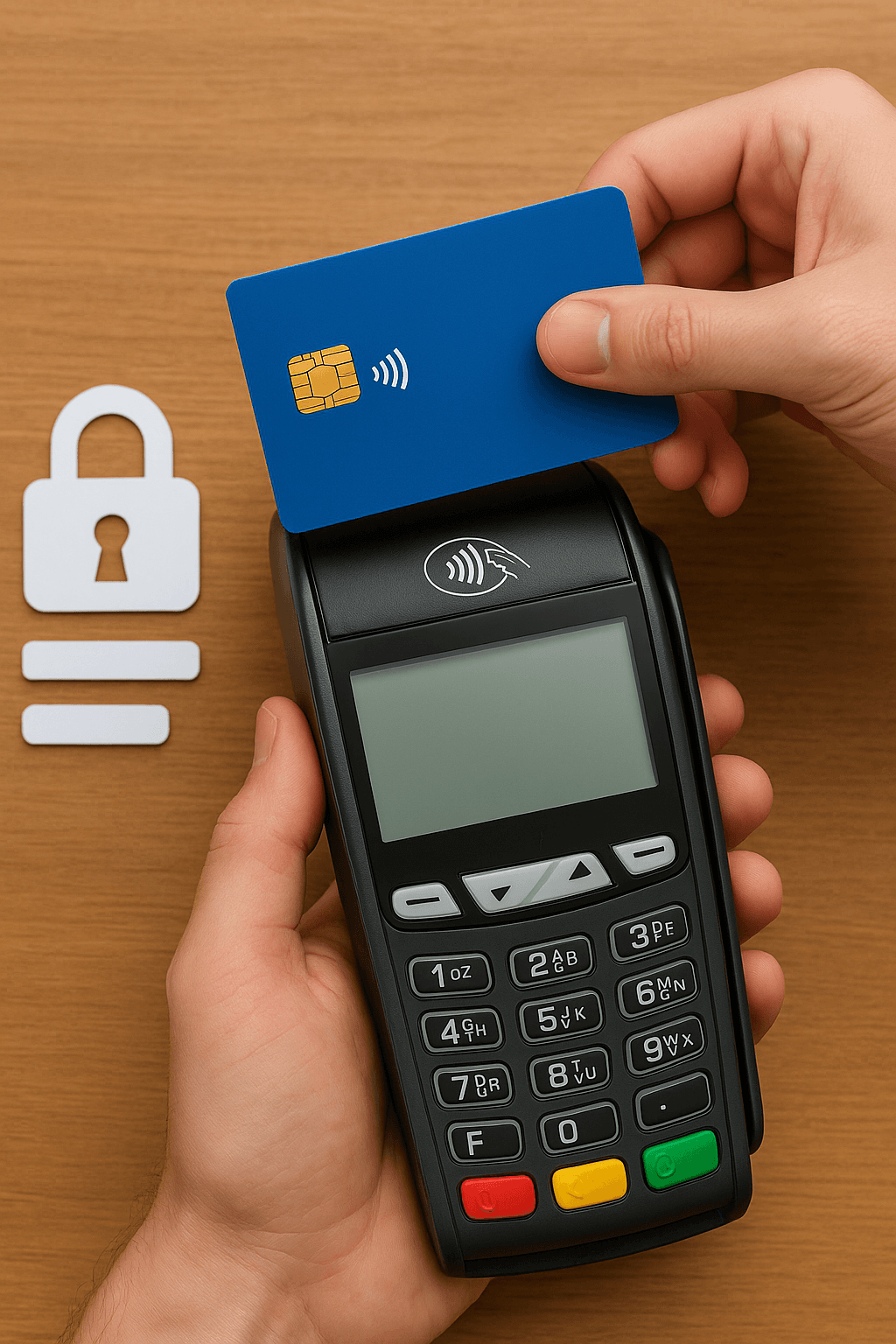
A credit card is a printed card, or a card number with no physical form, that provides the ability to purchase goods and services or withdraw cash without needing to use cash.
So how are credit card limits set and managed?
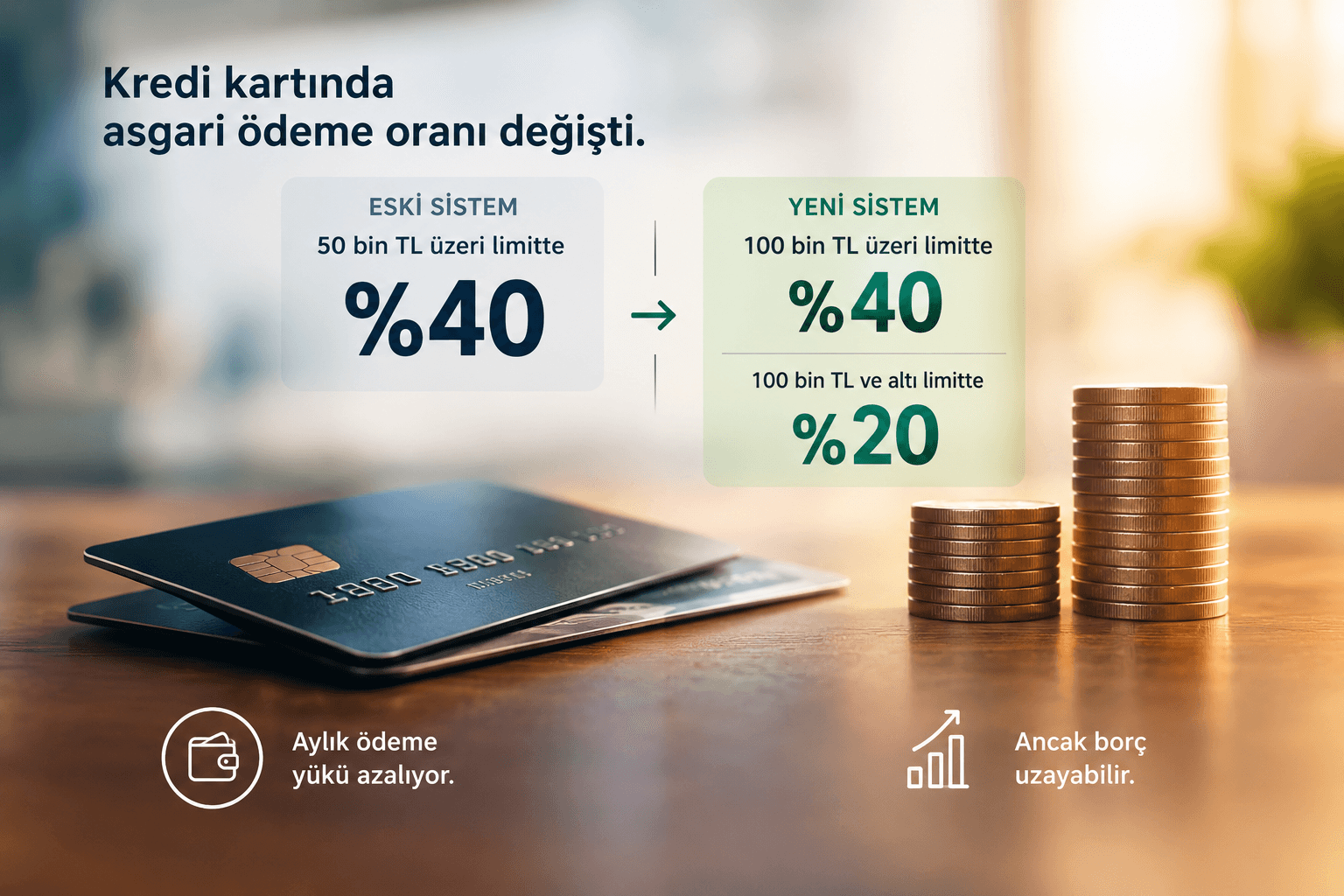
The process of setting a limit on a credit card is called Limit Allocation. Although it may look as if the limit is assigned to your card, the limit is actually allocated to the customer. When allocating a limit to a customer, a large number of parameters are checked. Mainly;
- The customer's KKB (Credit Bureau of Turkey) score
- The total of card limits granted by other banks
- The customer's payment performance
- The customer's income level
- Whether the customer owns their home
- The number of dependents the customer is responsible for
- When the customer obtained their first card is taken into account.
If the customer;
- Has a payment that is overdue
- Has a low income level
- Has had delays in past payments
- Has high credit card limits used at other banks, the limit set by the bank may be very low, or the card application may be rejected.
Are there standards that affect credit card design?
Credit cards are produced according to certain standards, both in terms of visual design and during the printing process. We can refer to these standards as the ISO/IEC 781X family of standards.
Let's get to know this family together:
7810: Physical characteristics of credit card dimensions
7811-1: Card embossing
7811-2: Magnetic stripe, low coercivity
7811-3: Location of embossed characters
7811-4: Location of Track 1 and Track 2
7811-5: Location of Track 3
7811-6: Magnetic stripe, high coercivity
7813: Financial transaction cards