In Law No. 6493 on Payment and Securities Settlement Systems, Payment Services and Electronic Money Institutions, a payment instrument is defined as follows.
A personalized device, such as a card, mobile phone, password, or similar, that is agreed upon between the payment service provider and its user and used by the payment service user to give a payment order.
Examples of payment instruments
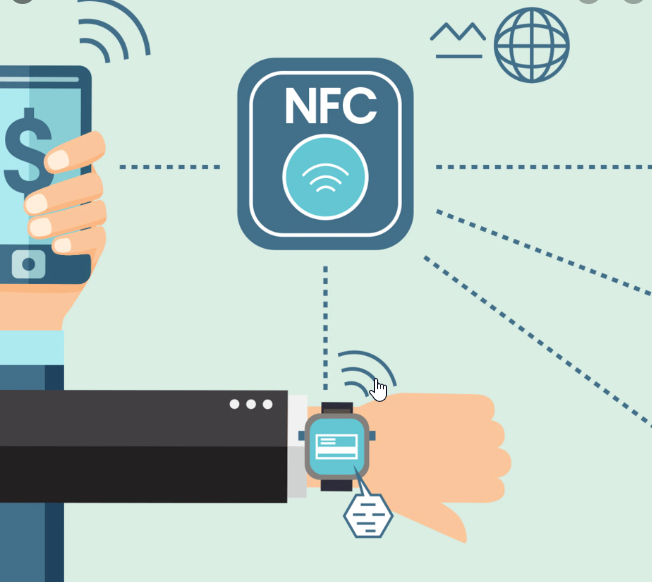
The definition in the legislation is broad; it covers personalized devices such as cards, mobile phones, and passwords. In practice, debit cards and credit cards are the best-known examples. Mobile banking applications, wallets that make QR code payments, and OTP-generating devices can also fall within this definition.
The common feature is that the instrument is personal to the user and is used to give a payment order. For this reason, if the payment instrument is lost or stolen, the user must promptly notify the payment service provider.
The service provider is also subject to obligations such as the secure delivery of the instrument, authentication, and its cancellation.