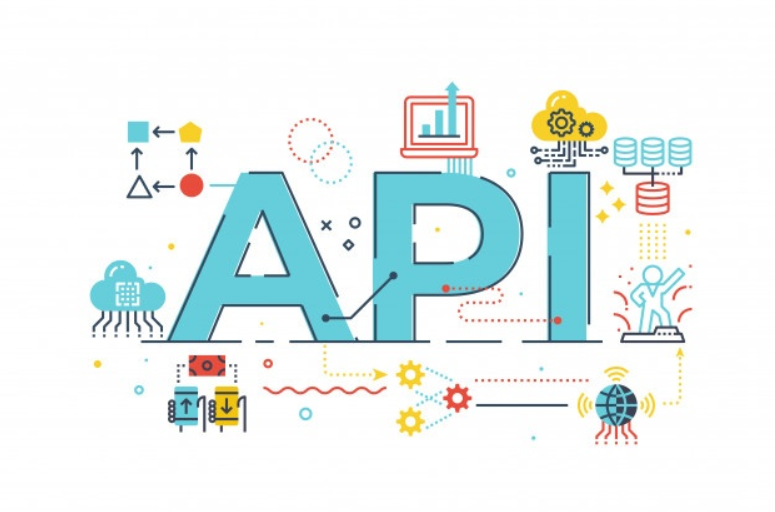
Used as an abbreviation for "Application Programming Interface," API is an interface that allows an application's functions to be accessed and used from outside or remotely. An API allows an application on a server to be reached from different platforms and to return information.
Banking and financial services delivered through APIs enable financial institutions to achieve great success in meeting their own needs and those of their customers. Accordingly, the aim is to offer the most suitable products and services based on customer needs.
Thanks to open banking enabled through APIs, the most suitable product and service can be offered to the customer, while also providing the highest quality service at a lower cost. This also allows banks to compete with non-bank third parties such as Fintech companies. Fintech companies' ability to offer innovative and effective solutions helps financial institutions, especially those with large capital, reach their customers more quickly.
APIs are generally used by web developers and software developers. Whenever a program needs to take advantage of a feature from a different service, using an API is necessary to fully carry out those functions.
Today, many companies, especially Google and Facebook, support numerous widely used services by offering their own APIs to developers, helping enable the development of better applications.