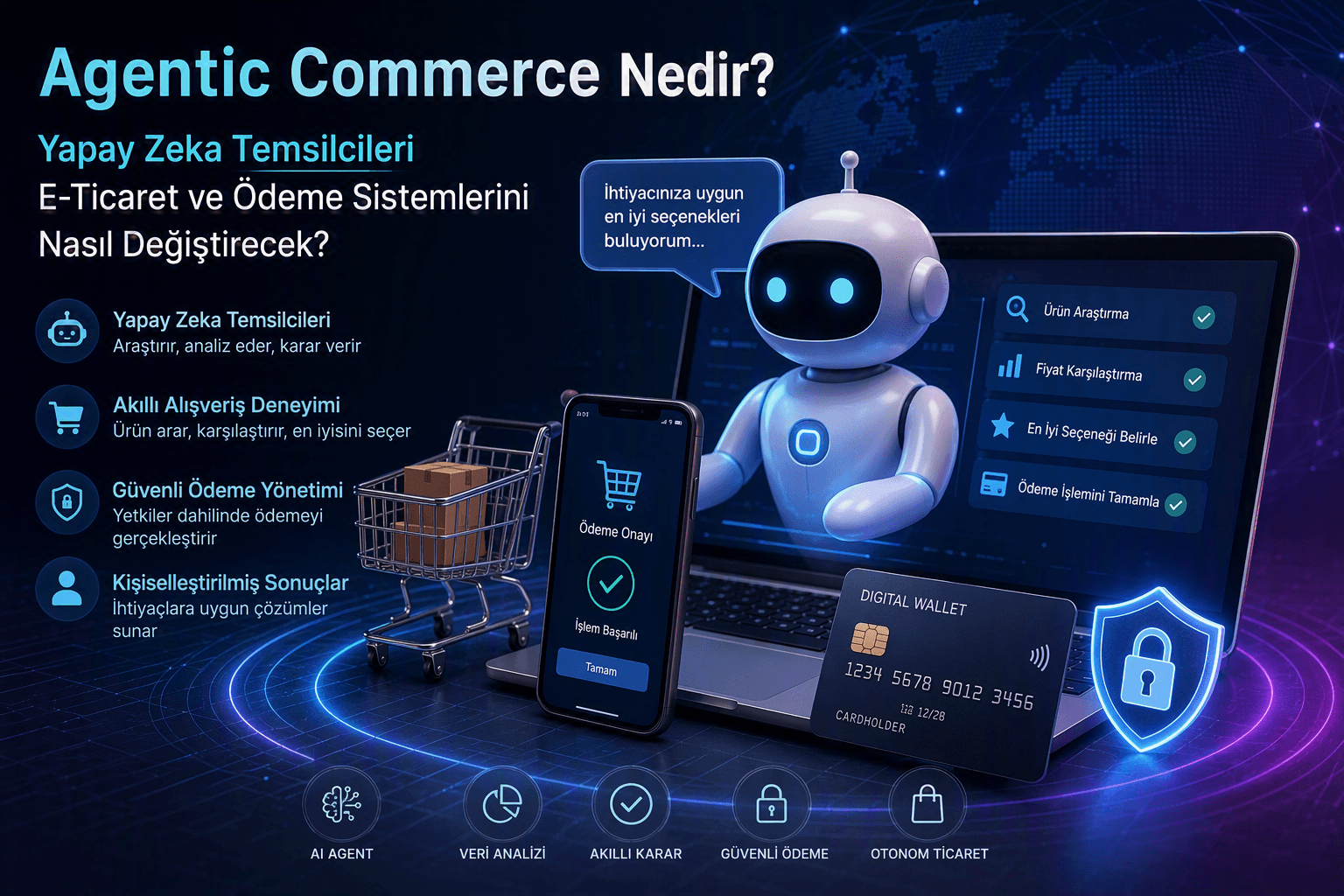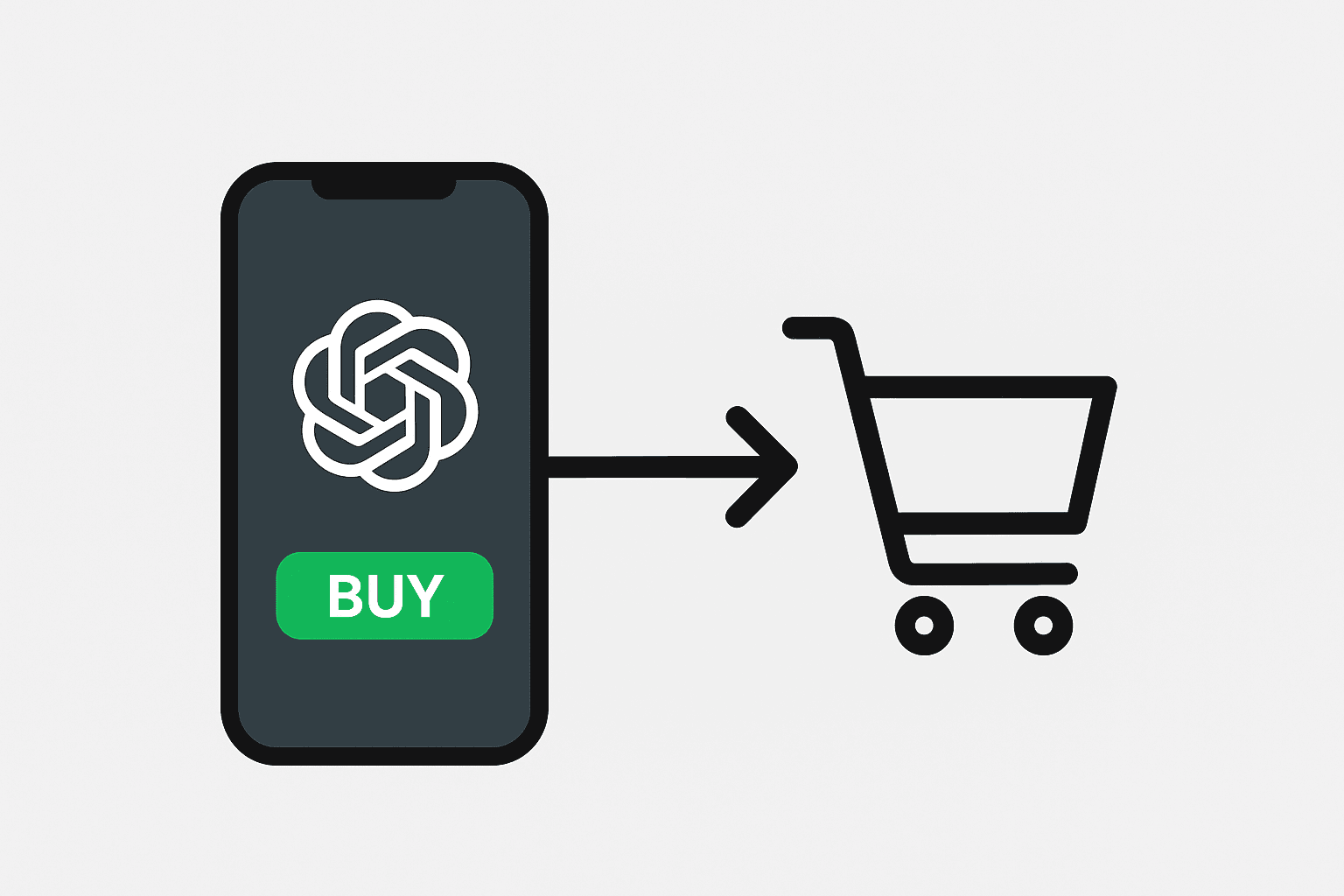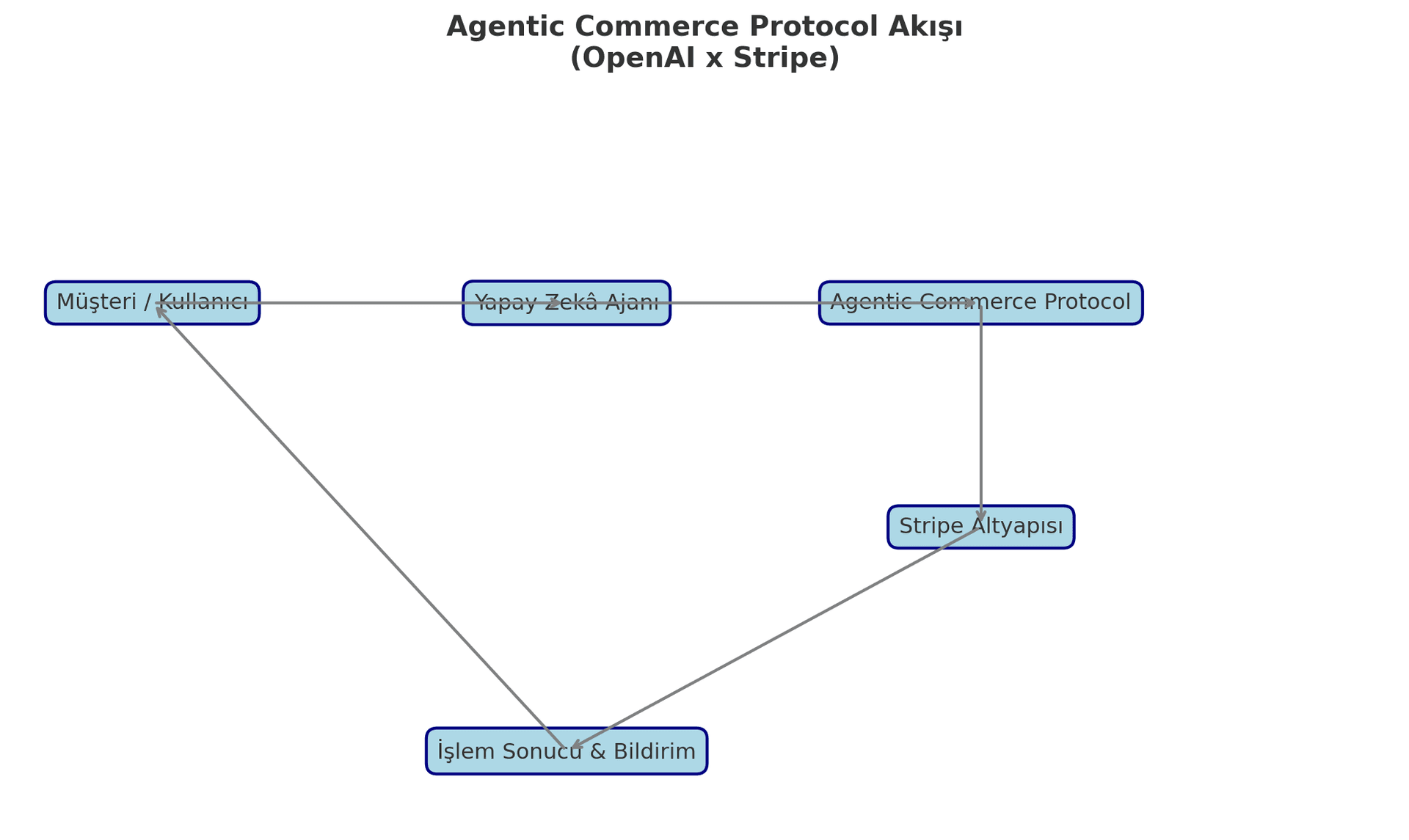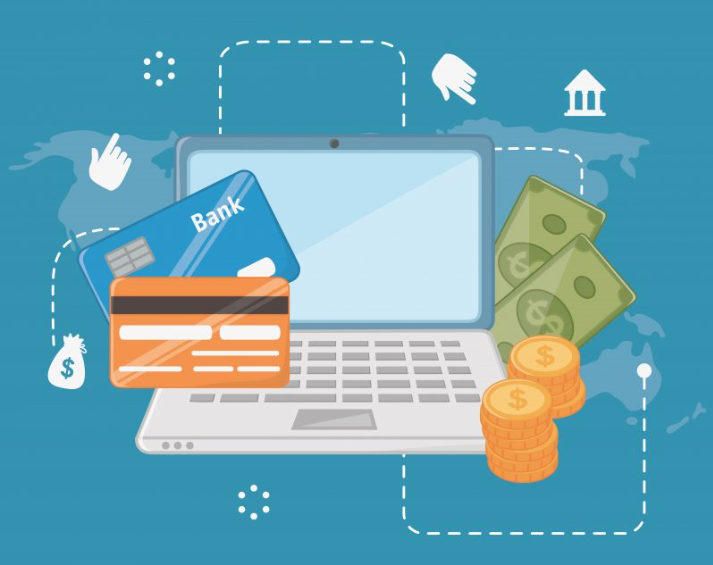
B2C stands for Business to Consumer and refers to the activity of a producer offering its products for sale to consumers online. This system is the most widely used and best-known business model in e-commerce. Online stores and web portals are examples of e-commerce activities in the B2C marketing model.
In general, the marketing and sales activities of all businesses and brands through their own websites fall under B2C marketing. B2C sites include all e-commerce site systems that reach the consumer from the producer.
What are the B2C business models?
- Direct sellers: Online retail sites where consumers buy products.
- Online intermediaries: A model that brings producers and consumers together, such as travel sites or arts and crafts retailers.
- Advertising-based: A model where products and services are sold through ads using the site's traffic.
- Community-based: A model where advertisers use online communities built around shared interests to help market directly to site users.
- Fee-based: A model offering services with a limited amount of free content, most of which is paid.
What are the advantages of B2C?
- The opportunity to reach customers directly
- The ability to take orders 24 hours a day, 365 days a year
- The chance to open up to markets in other cities and abroad
- Minimizing costs and saving money (staff, vehicles, etc.)
- The notification features on websites make it possible to receive customers' requests and demands.