Payments made over the internet are called digital payments. Debit and credit card payments, cryptocurrency, and transfers made through online banking all fall within the scope of digital payment.
Electronic devices such as computers, smartphones, and tablets, along with the necessary infrastructure and systems, are used to carry out online payments.
Digital payment methods
Digital payment is a broad concept covering different methods:
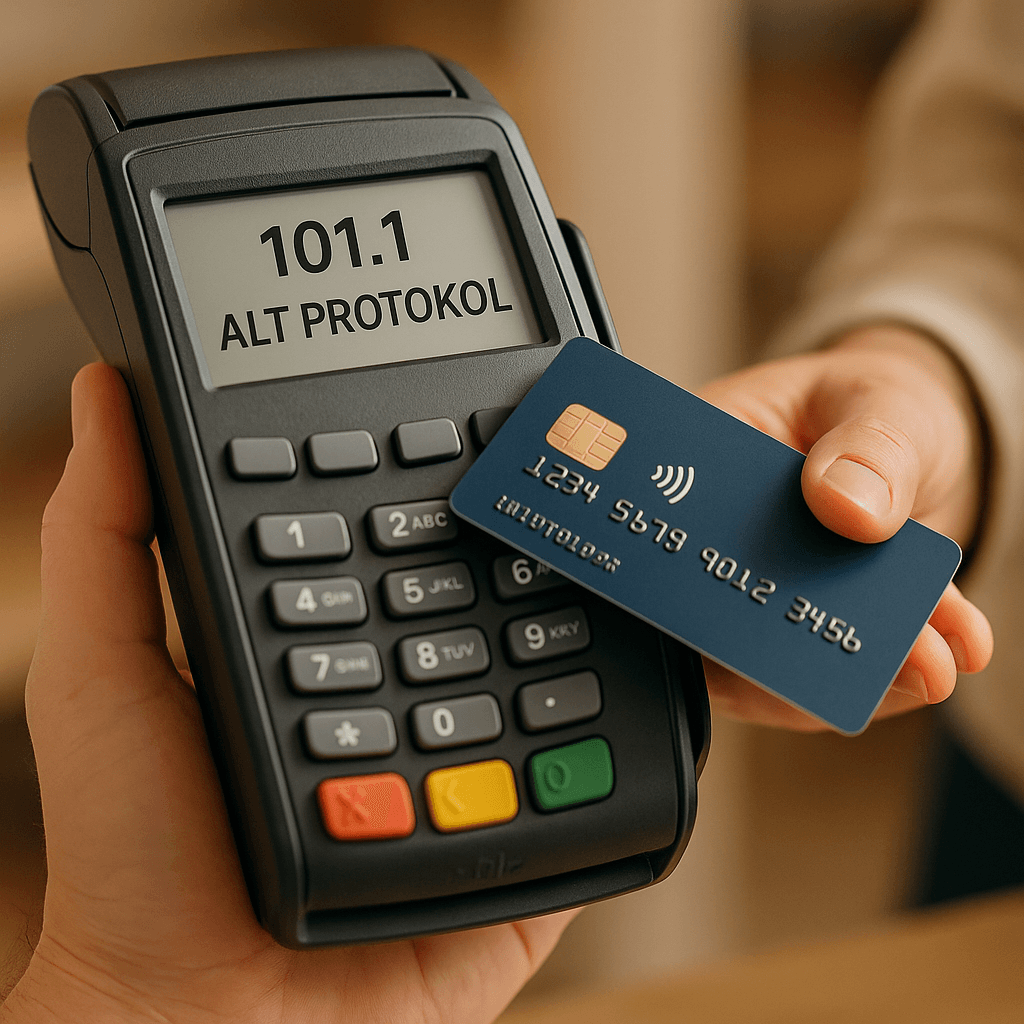
- Payments made online with a card
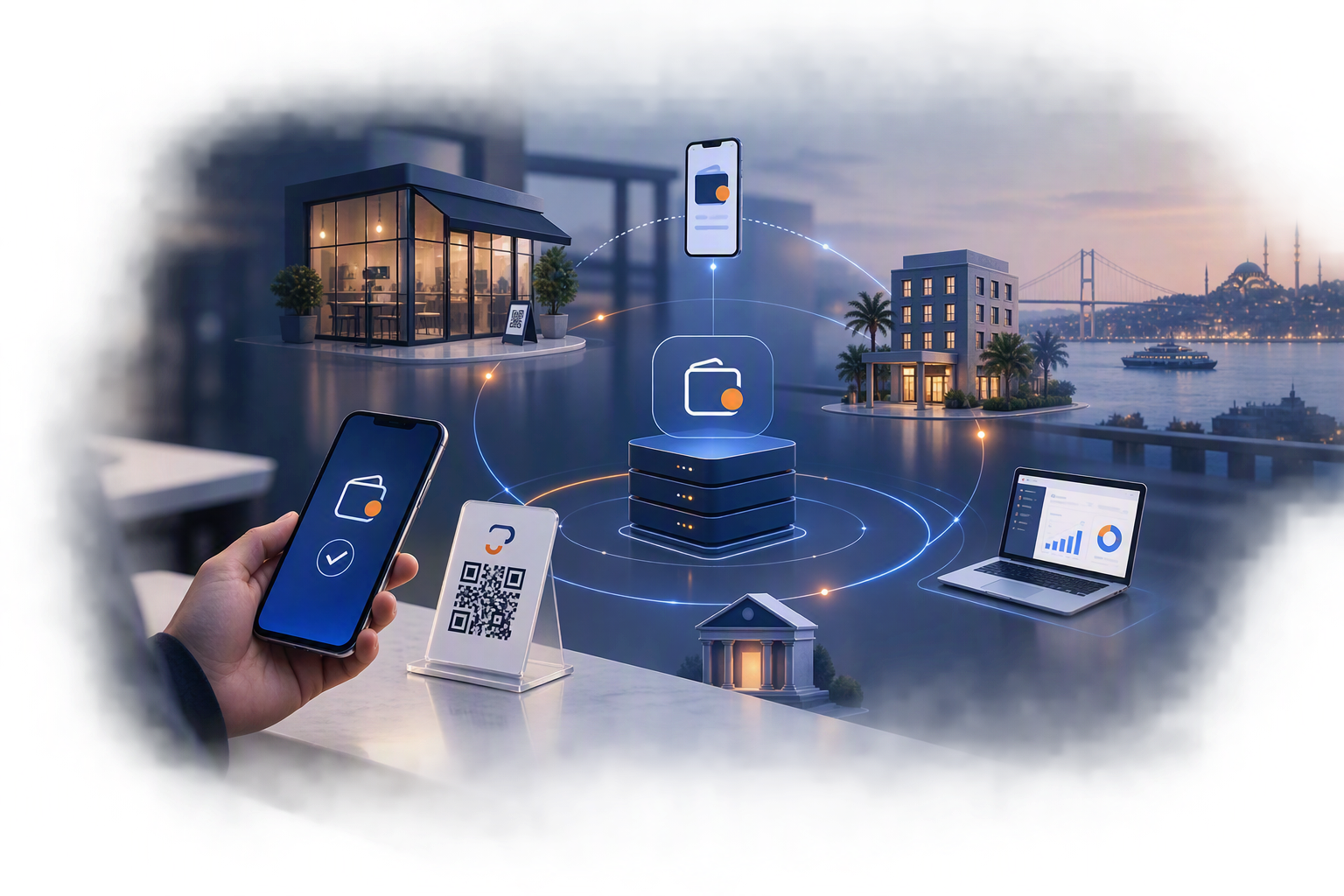
- Contactless payments made with mobile wallets and phones
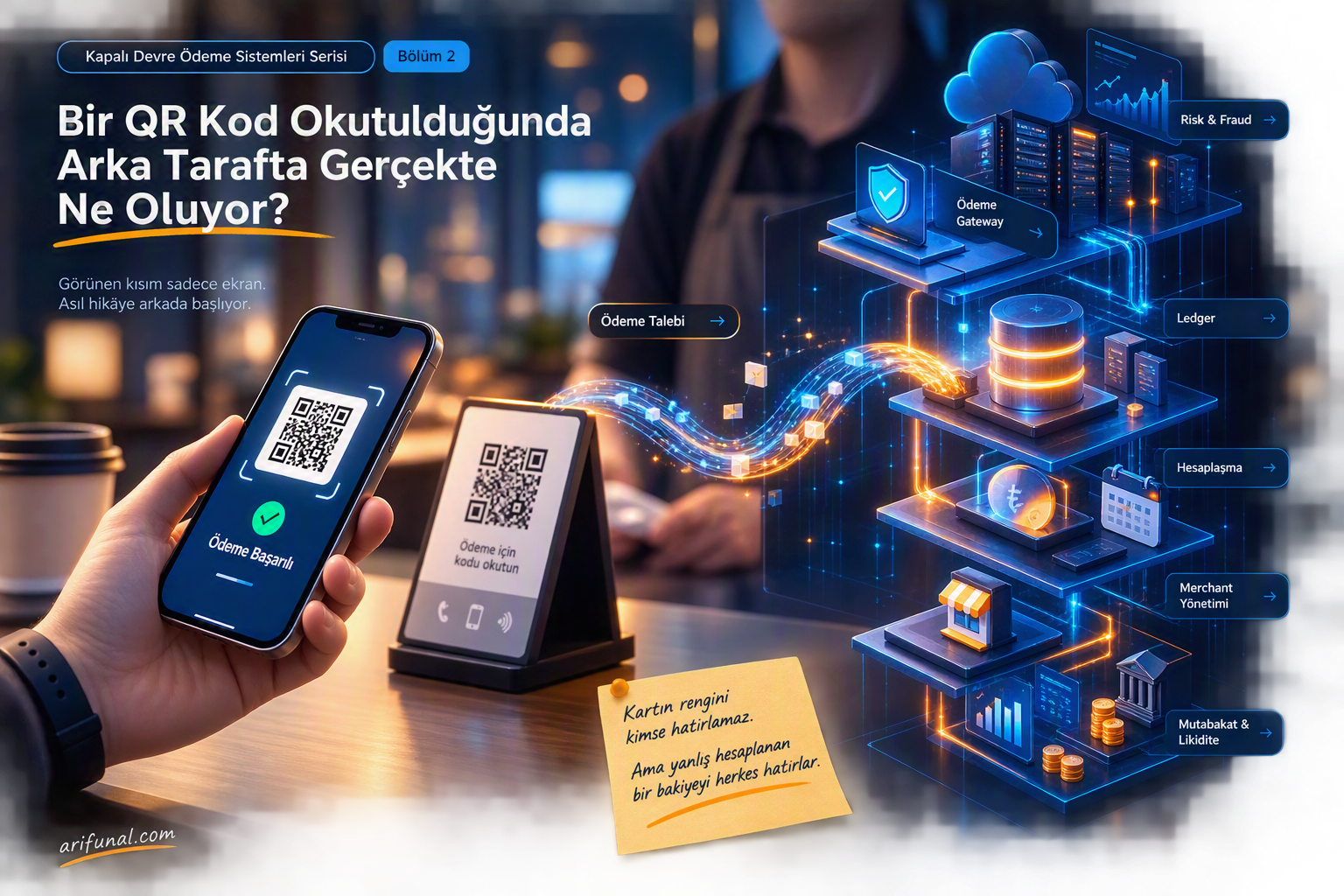
- Payments made with QR codes
- Payments made through instant money transfer systems such as FAST
- Payments made with e-money and prepaid accounts
Why is it becoming more widespread?
- Transactions can be made quickly and from anywhere
- Reduced need to carry and store cash
- Spending can be recorded and tracked
- Collection becomes easier for businesses
Security
Security in digital payments is provided through methods such as encryption, tokenization, one-time passwords, and biometric verification. Users, in turn, should only use their payment information on trusted sites and should never share their verification passwords with anyone.
About cryptocurrencies
The use of cryptocurrencies in payments is subject to different regulations depending on the country. In Turkiye, a regulation introduced in 2021 banned the direct or indirect use of crypto assets in payments.