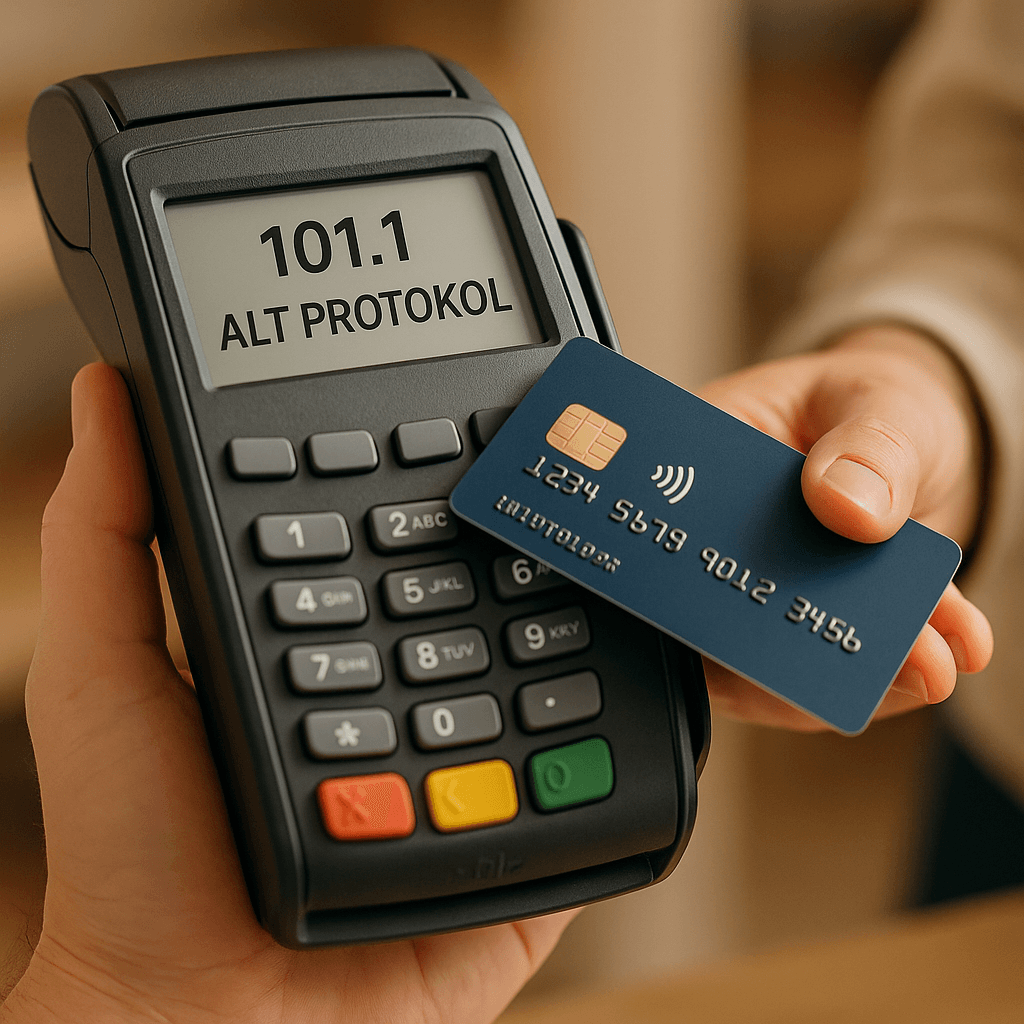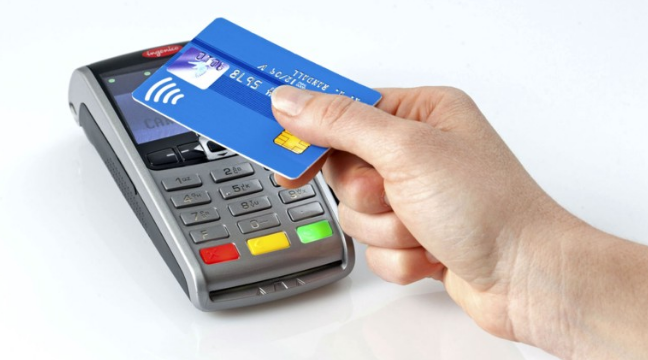
When merchants request a merchant (POS) terminal from banks, they also specify which type of POS they are requesting.
The POS types that banks offer to merchants are basically: Dial-up POS, GPRS POS, and IP POS.
GPRS POS terminals are POS types that contain a mobile line. Banks make agreements with mobile operators for the mobile line and deliver each GPRS POS to merchants together with its mobile line. As a result, they pay the operator a fee for each mobile line. For this reason, banks pass this cost on to merchants under the name GPRS Line Fee.
The GPRS Line Fee:
- Is charged on a monthly basis.
- Is charged to the merchant per active GPRS POS terminal.
- Is not charged for IP POS or Dial-up POS terminals.
So why do merchants choose these more expensive POS terminals?
The one but very important reason is that GPRS POS terminals can be used as mobile devices.
Who uses GPRS POS terminals?
They are used by door-to-door sellers, food companies (for payment on delivery), and companies that carry out location-independent marketing.