
Merchant & POS
What is a static QR code?
A static QR code is a code whose content is fixed and can be used for multiple payment transactions. So what is the difference between a static and a dynamic QR code?
Search
217 articles found
Merchant & POS
A static QR code is a code whose content is fixed and can be used for multiple payment transactions. So what is the difference between a static and a dynamic QR code?

Merchant & POS
In the world of payment systems, both the issuer (the cardholder's bank) and the acquirer (the POS/ATM bank) must follow certain rules for card transactions made through a POS terminal or an ATM. Responding to transactions within a certain time is one of these rules.

Merchant & POS
In e-commerce transactions, the system developed to increase transaction security for payments made with credit and debit cards is called 3D Secure. When paying with 3D Secure, a special payment screen provided by the banks appears on the user's screen.
Online & Authorization
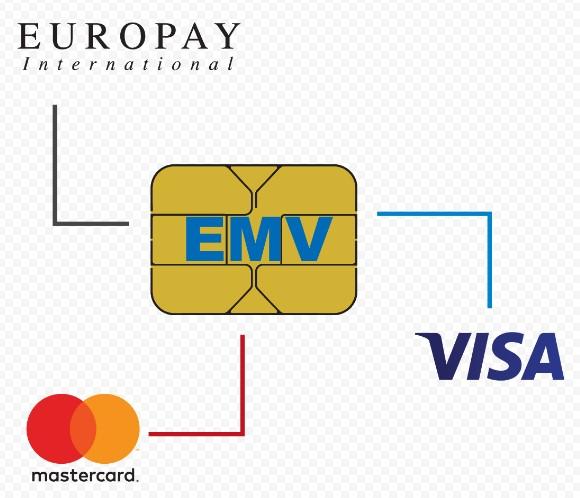
EMV stands for Europay, Mastercard and Visa. In 1994 these companies formed a working group to set chip-card standards, leading to the EMV standards used worldwide today.

Merchant & POS
Virtual POS is the software-based, security-enhanced equivalent of the physical POS devices used for card payments at merchants, designed for online shopping. It is not issued to individual customers, only to sole proprietorships, companies, or foundations and associations.
Security
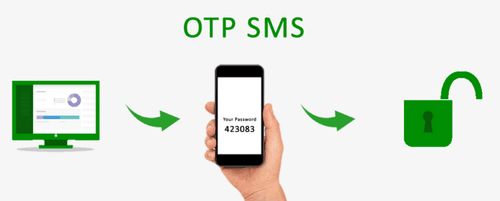
With Chip&Pin technology, card PINs and chip-based transactions became widespread. As online shopping grew, strengthening the security of these transactions became a necessity, and OTP began providing that transaction security.

Merchant & POS
MEK stands for Message Encryption Key, a randomly generated or static key used to encrypt message content and ensure its secure transmission between parties.

Payment Systems
Chargeback reason codes differ by card scheme. Here is the list of Discover chargeback reason codes and their descriptions, along with how merchants can use them.

ISO 8583
F61 - POINT OF SERVICE (POS) DATA: This field provides information about the specific status of the POS at the time of the transaction. Position Usage Attribute 1 POS Terminal Attendance Indicator 0 = Attended terminal (Valid for MasterCard debit card and Maestro transactions only).

Payment Systems
The purpose of these rules is to set out the operating rules, participation requirements, and pricing principles of the QR Code Routing System (KYS) established and operated by BKM, as well as other procedures related to KYS's operation.
Credit Card
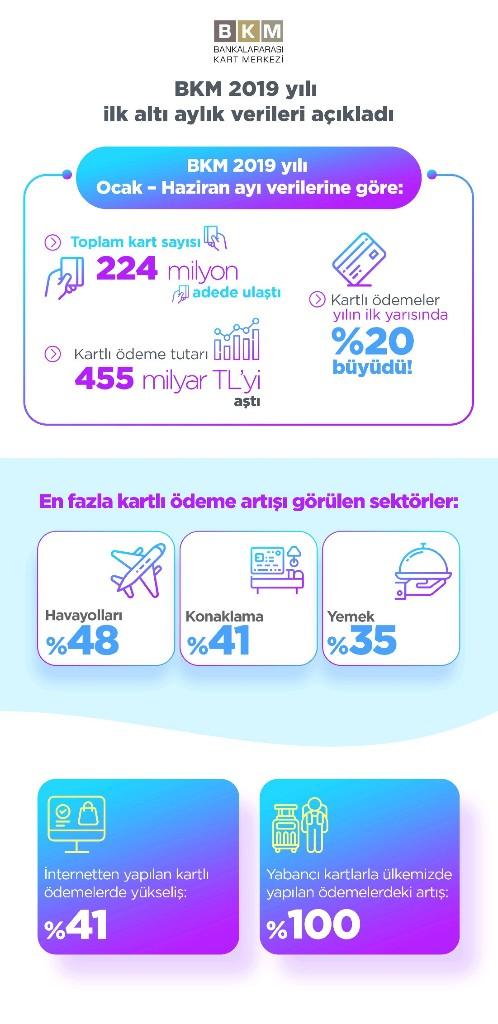
Payment systems statistics are reported periodically by the Interbank Card Center (BKM), including total card count, total card turnover, and the growth trend of the card world in the period.
Credit Card
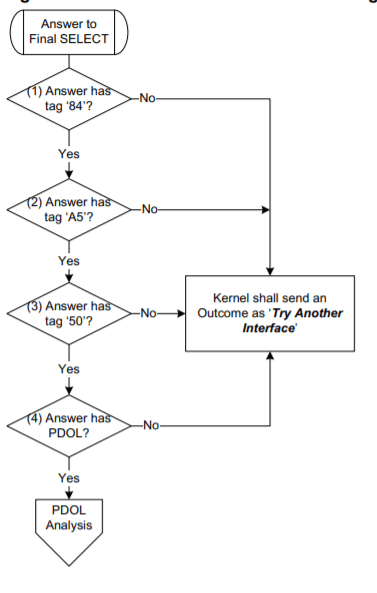
A mandatory alphanumeric field, 1-16 characters, sent in tag 50 of EMV transactions, representing a name related to the card application's AID in the ADF.