Skip to content

Search

"Data Security"

157 articles found

Diagram illustrating ISO 8583 field F23, the card sequence number

ISO 8583

ISO 8583 Field Descriptions (F23)

F23 - CARD SEQUENCE NUMBER: Information used to distinguish cards sharing the same card number. For example, the Card Sequence Number is incremented by 1 when a card is renewed. In an authorization transaction, if the F22 value is '05x'...

Diagram explaining how the CVV/CVC code is generated and verified on payment cards

Credit Card

What is CVV/CVC?

CVV is short for Card Verification Value, a term used by Visa. CVC is short for Card Verification Code, a term used by MasterCard. The CVV/CVC code is used for cardholder verification and to reduce fraud risk.

Illustration of the transfer of payment regulation powers from the BRSA to the CBRT in Turkey's fintech ecosystem

Laws & Regulations

Some Powers of the BRSA Transferred to the CBRT

Turkey is rapidly implementing the items in the 11th Development Plan for a fintech ecosystem with equal opportunity. Under the approved law amendment, some BRSA powers over payment services and e-money companies were transferred to the CBRT, making it the single authority in payments.

Illustration of a Know Your Customer (KYC) identity verification process

Payment Systems

What is KYC (Know Your Customer)?

Know Your Customer, in short, means identifying your customer. The process by which institutions identify their customers and determine their suitability for a business relationship and the risks they may pose is called KYC.

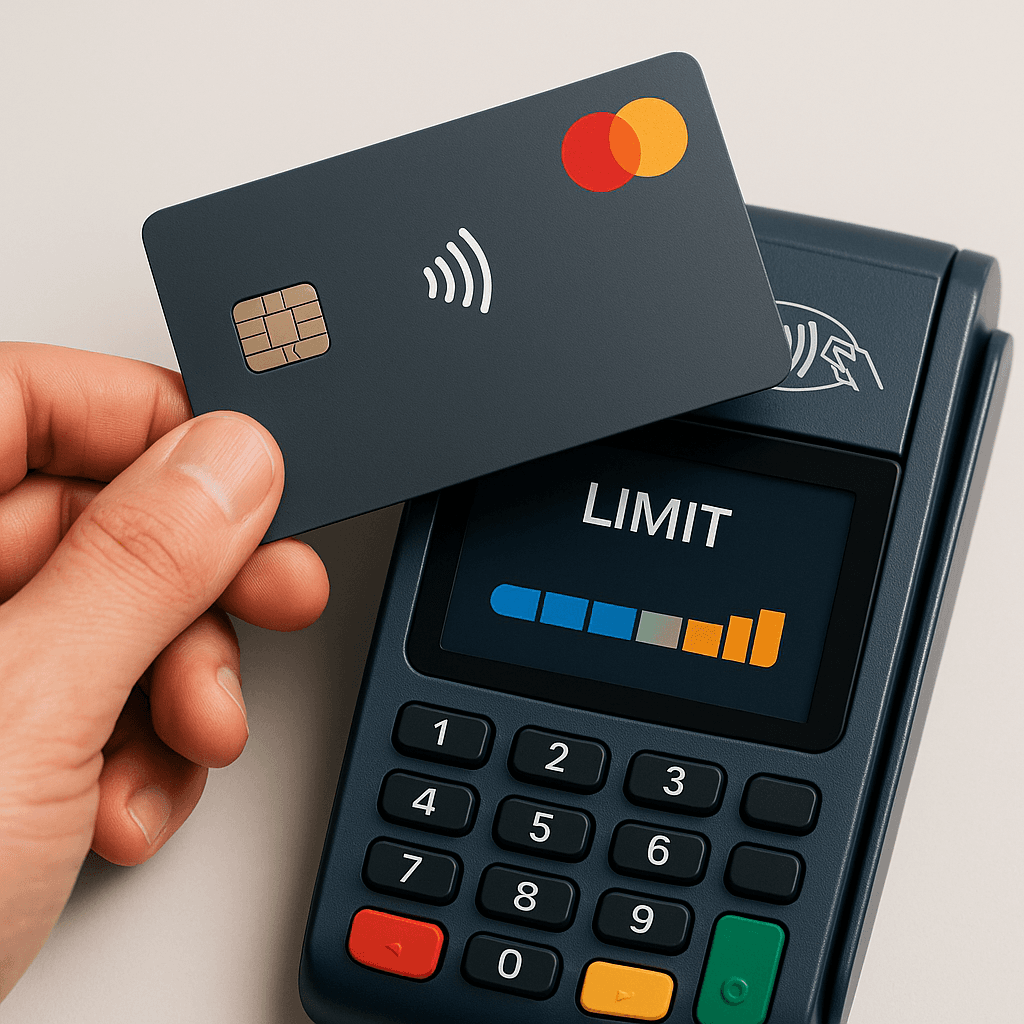
Illustration of customer-based contactless card limit management

Payment Systems

Can a Card's Contactless Limit Be Managed on a Per-Customer Basis?

Contactless payment has greatly improved the user experience, yet its fixed transaction limit is a common complaint. Can this limit be managed dynamically per customer? This post covers the current situation, technical and regulatory requirements and the outlook.

Diagram comparing the 3D, 3D Pay, and 3D Pay Hosting payment models

Payment Systems

What are the 3D Secure Payment Models?

In card payment transactions made via a physical POS device, entering the card's PIN keeps the transaction secure, while in virtual POS transactions, security is provided through the 3D Secure flow. Are 3D Secure payment methods standardized? There are 3 different 3D Secure models.

Illustration of dynamic CVM limit management for contactless card payments

Payment Systems

Dynamic CVM Limit Management Approach: A New Era in Card Security

One of the most notable recent developments in card payments is that contactless limits are no longer fixed and can be managed dynamically per customer. Mastercard and Visa are taking different but complementary approaches, and ISO 8583 may need to evolve with them.

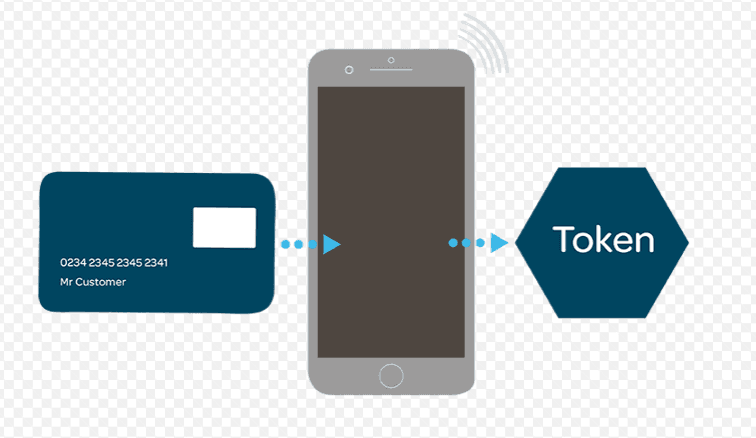
Diagram comparing the three levels of payment-card tokenization: static, semi-dynamic and dynamic

HCE

What Are the Levels of Tokenization?

Generating a token from the card number is essential to the security of payments made with mobile devices. The level of tokenization used depends on the need and on how critical the token is. Static tokenization: the token is generated once and stored in a database.

ATM machine vulnerable to hacking and fraud

ATM

Can ATMs Be Hacked?

ATMs are among the channels banks use most to serve customers. Besides being one of the most important channels, because they physically dispense cash and give access to a customer's account, many fraud cases occur at ATMs.

ATM machine targeted by jackpotting attacks

ATM

ATM Hacking Attacks Are on the Rise!

ATMs hold large amounts of cash, which keeps them in fraudsters' sights. Diebold Nixdorf and NCR report that jackpotting attacks have reached the United States. Here is what happened and what precautions can improve ATM security.

Illustration of a Terminal Master Key (TMK) securing a payment terminal

HSM & Security

What is TMK (Terminal Master Key)?

TMK stands for Terminal Master Key, a key-encrypting key distributed manually or automatically under a previously established TMK. It is used to distribute data encryption keys to an ATM or POS terminal within a local network.