Merchant & POS
Don't Dismiss the POS Receipt
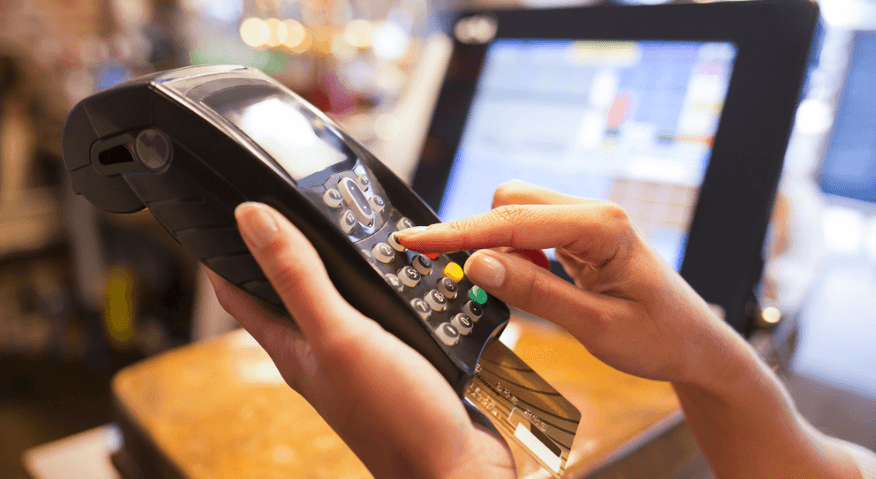
In daily credit card purchases, the POS produces two receipts: the Customer Copy and the Merchant Copy. The cardholder gets the customer copy; the merchant keeps its own copy by law.
Search
167 articles found
Merchant & POS
In daily credit card purchases, the POS produces two receipts: the Customer Copy and the Merchant Copy. The cardholder gets the customer copy; the merchant keeps its own copy by law.

ISO 8583
DE 12-TIME, LOCAL TRANSACTION: the local time at which the transaction took place at the point of transaction (ATM, POS). 6 digits, hhmmss format. F12 differs from F7 (Transmission Date and Time).

Merchant & POS
A reader asked whether installment mail order transactions are still possible, and whether a card limit equal only to the installment amount is enough. This article shares the answer.
Payment Systems
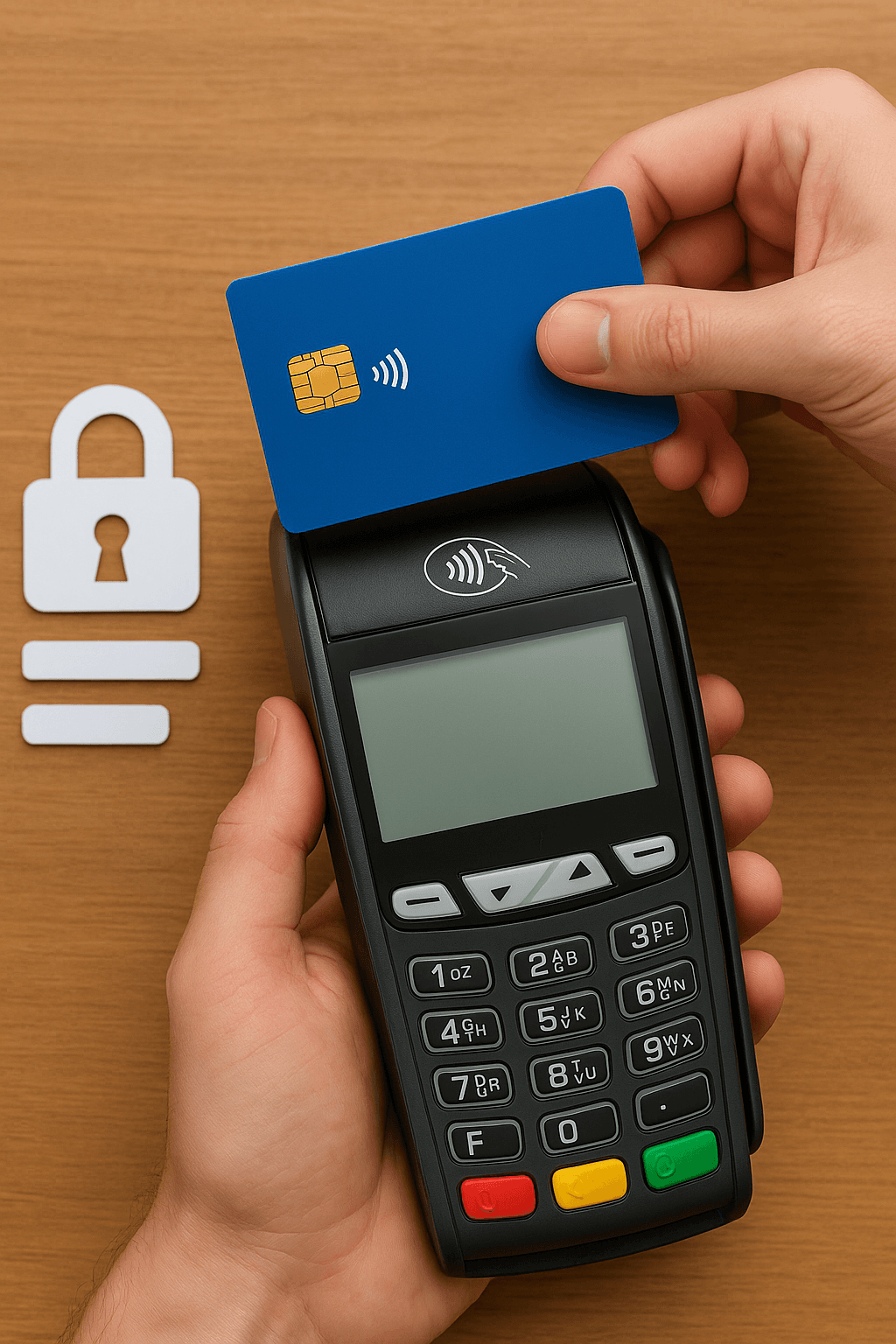
Contactless payment has greatly improved the user experience, yet its fixed transaction limit is a common complaint. Can this limit be managed dynamically per customer? This post covers the current situation, technical and regulatory requirements and the outlook.

Merchant & POS
Response codes returned on payment transactions are critical for managing next steps. Curious which error codes trigger card capture? Under ISO 8583, codes 04, 07, 33, 34, 36, 38, 41 and 43 all result in the card being captured.
Merchant & POS
Advances in payment systems make shopping safer and easier for customers. For e-commerce sites and brands, offering reliable, practical and fast payment options is a serious advantage. An online payment link is one innovative way to accept payments without a POS device.
Payment Systems
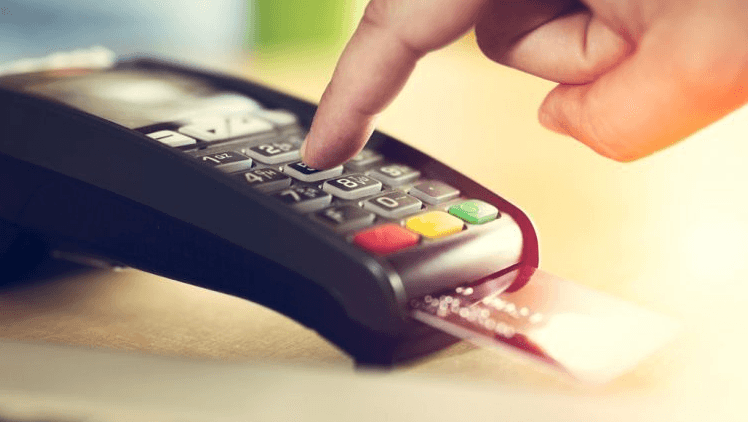
FTS (Termination Tracking System) lets banks check, before signing a merchant agreement, whether the applicant company or its representative has a negative history with any bank.
Credit Card
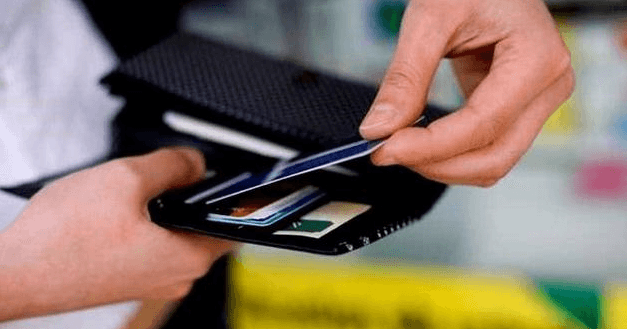
While reviewing your credit card statement, you suddenly notice a transaction you never made. What would you think? Is your card going shopping while you sleep? Let's look at how this can happen and what to do about it.
Merchant & POS
Cash on delivery means paying for an online order at the moment of delivery, usually in cash, though some e-commerce sites also accept card payment at the door. It boosts sales and builds trust, but carries risks like missing POS terminals and refused deliveries.
Payment Systems
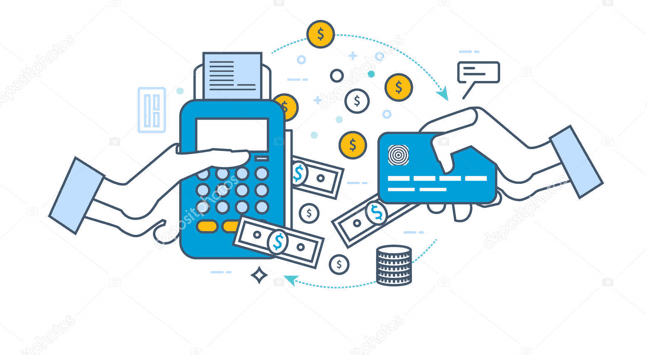
Although many important terms are used in payment systems, the expressions below are its cornerstones — the ABCs of payment systems, so to speak. Issuer: the credit card company, usually a bank, that issues the card and tracks debt, credit, bonus points, and other services for the customer.
Contactless
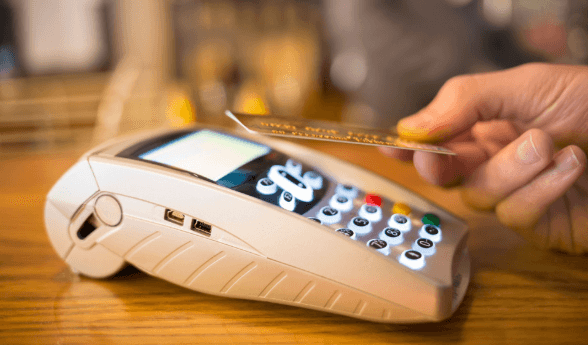
As end users, we have come to love contactless payments, which are becoming a bigger part of daily life. So what features let contactless cards make payments without touching the POS terminal? There are two classes: MSD cards and Contactless EMV cards.
ISO 8583
DE 11 - SYSTEMS TRACE AUDIT NUMBER: A 6-digit unique numeric value generated by the message originator, enabling unique tracking of the transaction. How is STAN generated?