Skip to content

Search

"card numbers"

296 articles found

Diagram showing how card transaction data flows through the ISO 8583 messaging standard

Merchant & POS

What is ISO 8583?

Introduction: When a card (credit card/debit card/prepaid card) is used at an ATM or POS, data must be carried securely between systems. For example, in a store sale, the POS initiates the transaction, which must reach the cardholder's bank intact.
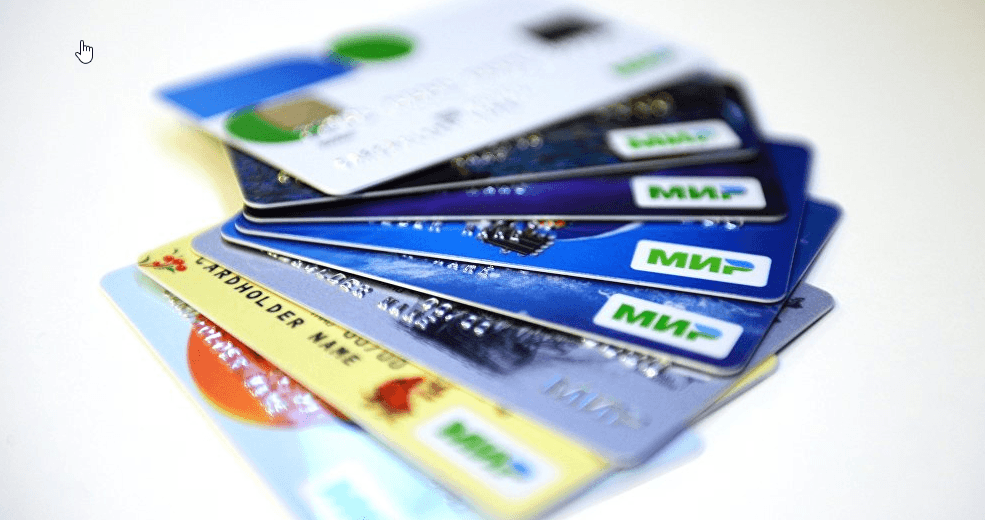

Diagram illustrating that credit cards and debit cards require separate BIN ranges

Credit Card

Can a Single BIN Issue Both Credit and Debit Cards?

A single BIN cannot be used to issue both a credit card and a debit card. If a bank offers both products, it has at least two different BINs, allocated and announced separately by card type.

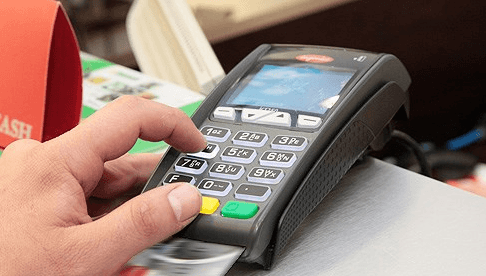
Contactless card payment at a POS terminal after the limit increase to 250 TL

Merchant & POS

Contactless transaction limit raised to 250 TL

Current information: this article describes the limit in force at the time of publication. To reduce the risk of the coronavirus (Covid-19) spreading, the contactless transaction limit on credit and debit cards was raised to 250 lira.

Diagram illustrating the PIN Try Counter concept on a payment card chip

Credit Card

What Is PIN (Personal Identification Number) Try Counter?

The PIN Try Counter is a value stored on the card's chip showing the number of remaining offline PIN attempts. Each incorrect offline PIN entry decreases it by 1, and it resets when the correct PIN is entered.

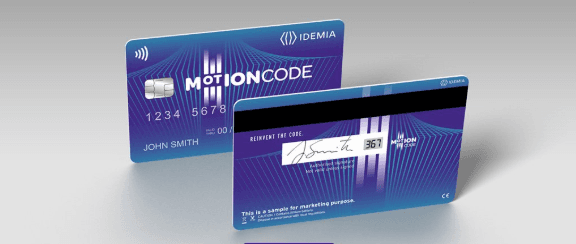
Deutsche Bank Tarjeta Calma credit card featuring dynamic CVV technology

Credit Card

Deutsche Bank produces a card with a CVV that changes every 4 hours

Germany-based Deutsche Bank is launching a new credit card in Spain with a dynamic CVV code that changes every four hours, to make online shopping more secure. Deutsche Bank partnered with Mastercard and Idemia for the new card, launched under the Tarjeta Calma brand.

Comparison of CVV security code locations on a standard card and an American Express card

Credit Card

Is the CVV/CVC Code Always 3 Digits?

First, let's briefly explain CVV/CVC. CVV stands for Card Verification Value, a term used for Visa. CVC stands for Card Verification Code, a term used for MasterCard. The CVV/CVC code is used for cardholder verification and to reduce fraud risk.

Illustration of a credit card installment payment plan

Credit Card

What is an installment?

An installment is when a credit card transaction is split into a fixed number of monthly payments to the bank. For example, splitting a 100 TL purchase into 5 installments means paying the bank 20 TL per month until the full amount is paid off.

How a business card works for corporate companies

Credit Card

How Does a Business Card Work?

A business card is a card corporate companies use to manage their financial transactions. The application is made in the company's name, and a virtual primary card that is not physically printed is created for the company. Additional cards are then issued to users.

Infographic on the change in the credit card minimum payment ratio

Credit Card

Credit Card Minimum Payment Ratio Changed

With its announcement dated 09.06.2022, the BRSA changed how the credit card minimum payment is calculated: 20 percent of the period debt below a 25,000 lira limit and 40 percent above it. This post covers what banks should do and the likely market impact.

Screenshot of a digital wallet mobile application interface

Credit Card

What is a digital wallet?

A digital wallet is an electronic wallet where credit, debit, or prepaid cards are registered in one place. Cardholders can securely add, store, update, and delete card details, then pay with a single click.

Illustration representing an installment transaction made with a credit card

Credit Card

What is an Installment Transaction?

An installment transaction splits a payment into a set number of installments reflected on the cardholder's statement, when the card and POS bank are the same. For example, a 1000 TL transaction in 5 installments reflects 200 TL per statement period, starting from the first one.