Skip to content

Search

"digitization"

223 articles found

Diagram illustrating the ISO 8583 F39 response code field

ISO 8583

ISO 8583 Field Descriptions (F39)

F39 - RESPONSE CODE: This is the code showing whether the transaction was approved or declined. It is 2-digit alphanumeric. Typically 00 is sent when approved, and a decline reason code is sent when declined.


Close-up photo of a cracked payment card

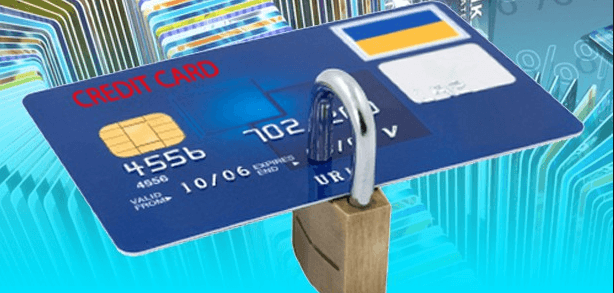
Credit Card

My Card Is Broken. What Should I Do?

If your card is broken, call your bank's Customer Contact Center to request a renewal. Since the card number usually stays the same after renewal, this is convenient for you. If you'll keep using the card, don't set it to Closed or Cancelled status.

Hand holding a credit card near an ATM screen used to check card debt

Credit Card

How Can I Check My Credit Card Debt?

In the past, banking transactions could only be carried out at branches, but with the advance of technology, customers can now complete their transactions through many channels without visiting a branch. Checking credit card debt is one of these.

Diagram illustrating SDA, DDA, and CDA offline data authentication methods

Credit Card

What are SDA, DDA, and CDA?

SDA (Static Data Authentication), DDA (Dynamic Data Authentication), and CDA (Combined Dynamic Data Authentication) are offline data authentication methods used in chip cards. Learn how each one validates the card and the transaction.

Illustration representing an AI agent making purchasing decisions

Agentic Commerce

Agentic Commerce Series – Part 3

Can AI Decide on Our Behalf? Letting an AI agent handle research can make life much easier. The real question is where that should stop, and how much decision-making authority we are ready to hand over.

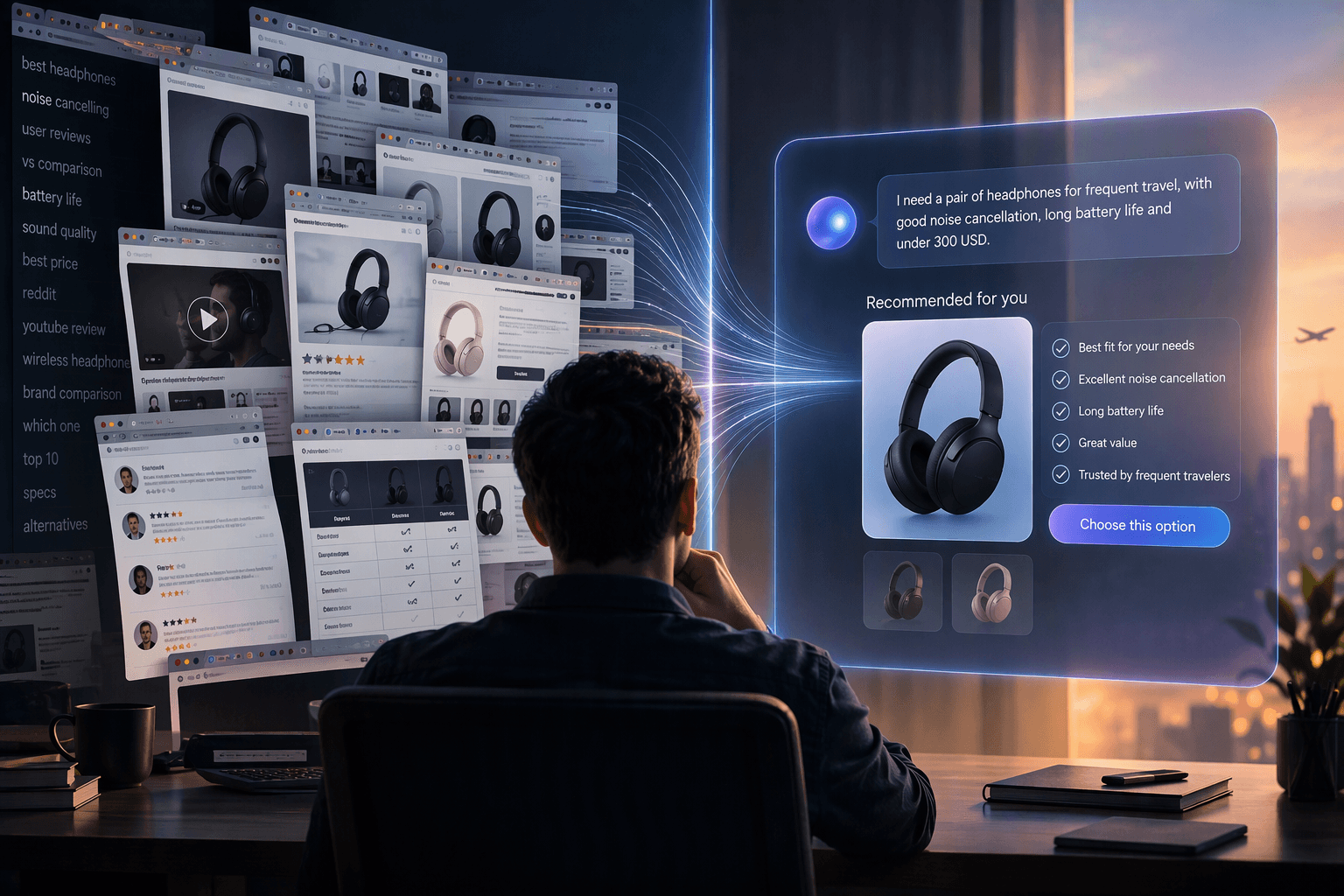
Illustration symbolizing the shift from search engines to AI-driven decision engines in online shopping

Payment Systems

Agentic Commerce Series - Part 2

If users start describing their needs instead of searching for products, one of the internet economy's most fundamental habits could change.

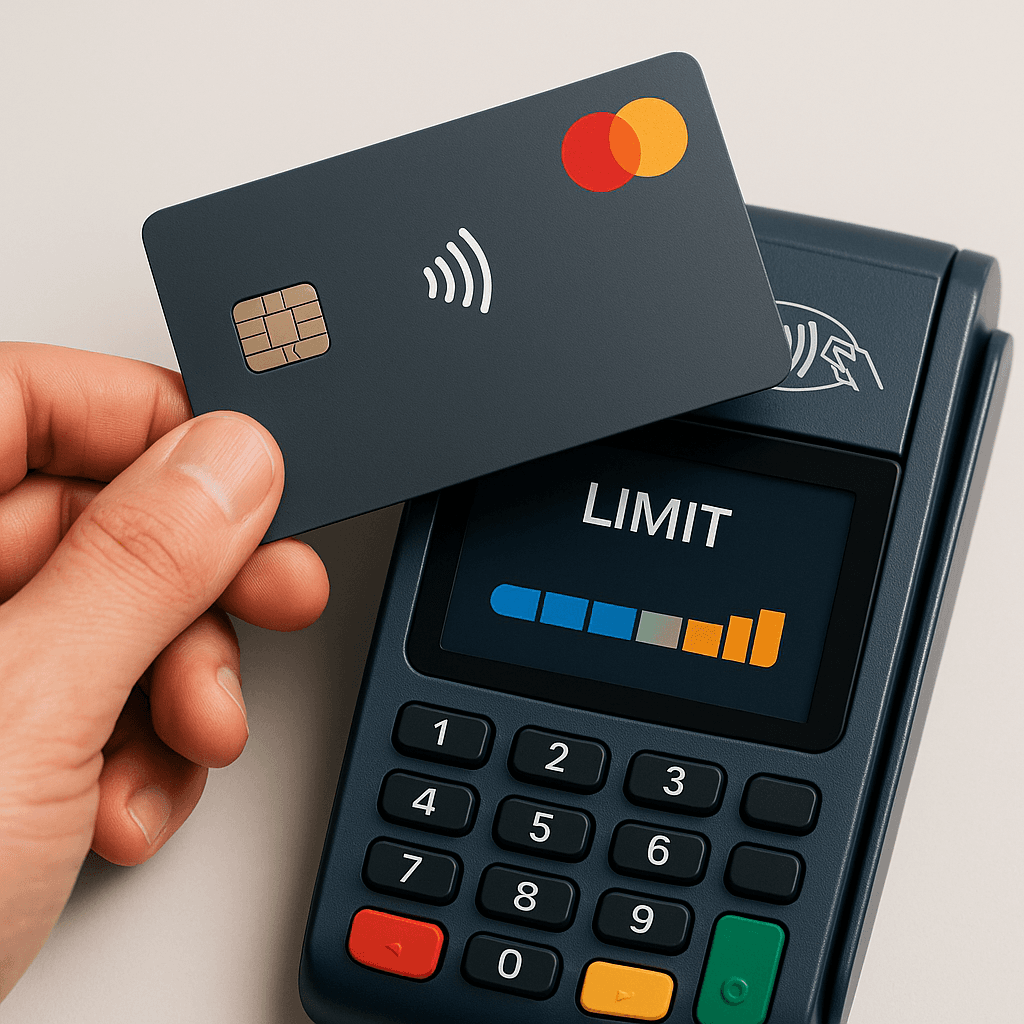
Illustration of dynamic CVM limit management for contactless card payments

Payment Systems

Dynamic CVM Limit Management Approach: A New Era in Card Security

One of the most notable recent developments in card payments is that contactless limits are no longer fixed and can be managed dynamically per customer. Mastercard and Visa are taking different but complementary approaches, and ISO 8583 may need to evolve with them.

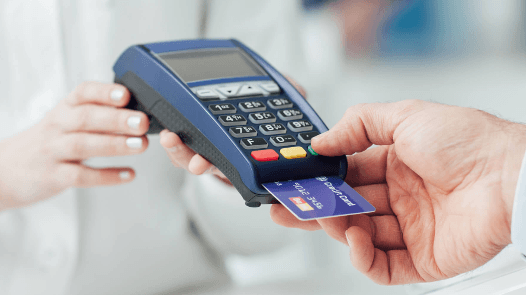
Contactless card payment at a POS terminal, illustrating the increased PIN-free transaction limit of 2,500 TL

Payment Systems

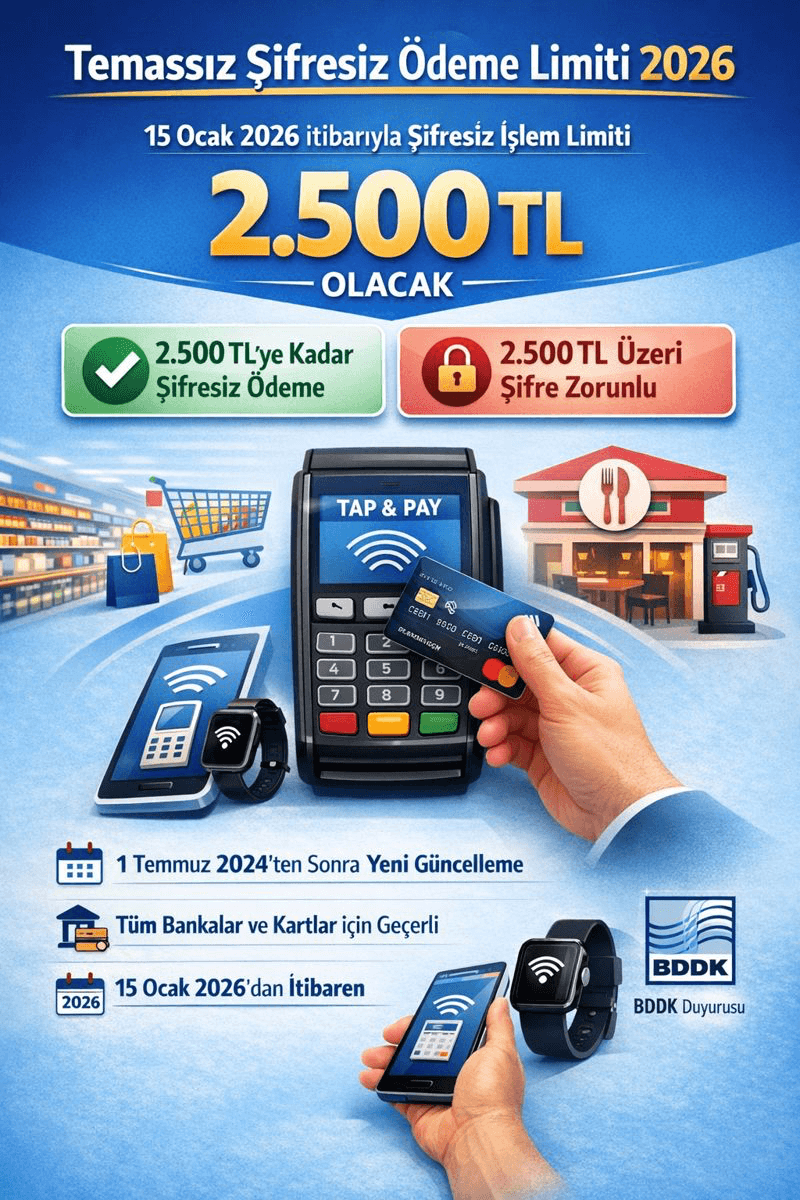
PIN-Free Contactless Payment Limit Rises to 2,500 TL

An official BRSA letter to banks announced an update to the PIN-free contactless payment limit. From January 15, 2026, contactless payments of up to 2,500 TL can be made without entering a PIN, up from the current 1,500 TL.

Diagram of a partial authorization where an issuer approves only part of the requested amount

Merchant & POS

What Are the Partial Authorization Requirements for an Acquirer Bank?

Partial authorization lets an issuer approve part of the requested amount when the card lacks the full balance, with the rest paid another way. This post covers the technical, receipt, clearing, reconciliation, merchant and certification requirements for acquirers.

Illustration of AI agents connecting to payment infrastructure through Agentic Commerce Protocol

Payment Systems

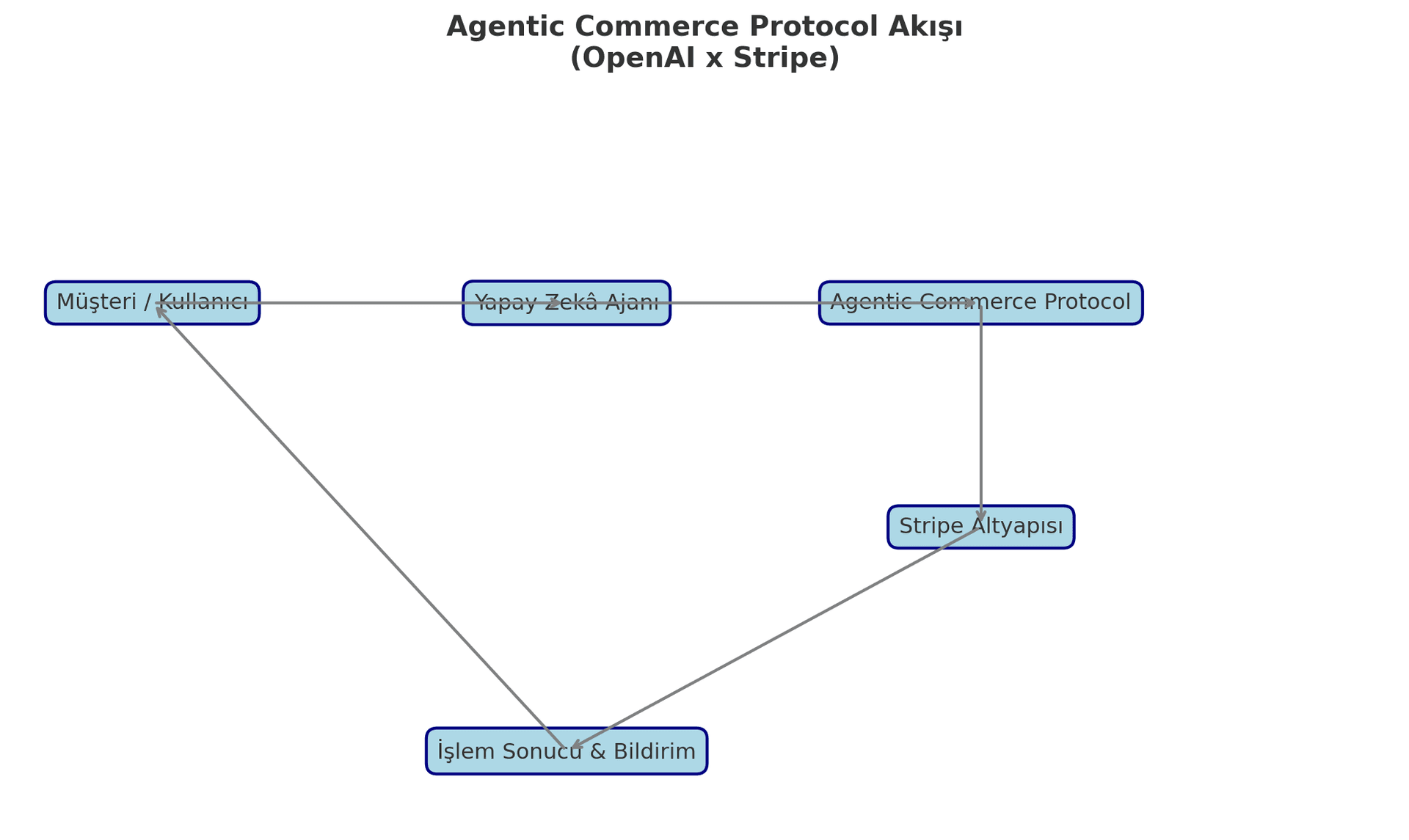
What Is Agentic Commerce Protocol? How Does It Work?

Agentic Commerce Protocol (ACP) is a next-generation protocol that lets AI agents integrate directly into commercial processes such as payments, orders, refunds and subscriptions. This post explains how it works and what it offers businesses.

Illustration of an AI-based payment agent making payments automatically on behalf of a user

Payment Systems

What Are AI-Based Payment Agents?

Digitalization keeps changing the speed and shape of payments. AI-based payment agents pay on their own within user-defined limits and rules, completing transactions without the user initiating any action. This post explains how they work and what to watch for.