Skip to content

Search

"standards"

175 articles found

EU Fifth Anti-Money Laundering Directive AMLD5

Credit Card

What Is AMLD5?

AMLD5 is the European Union's Fifth Anti-Money Laundering Directive. It updates the Fourth Directive to stop the financial sector being used for terrorist financing and money laundering.

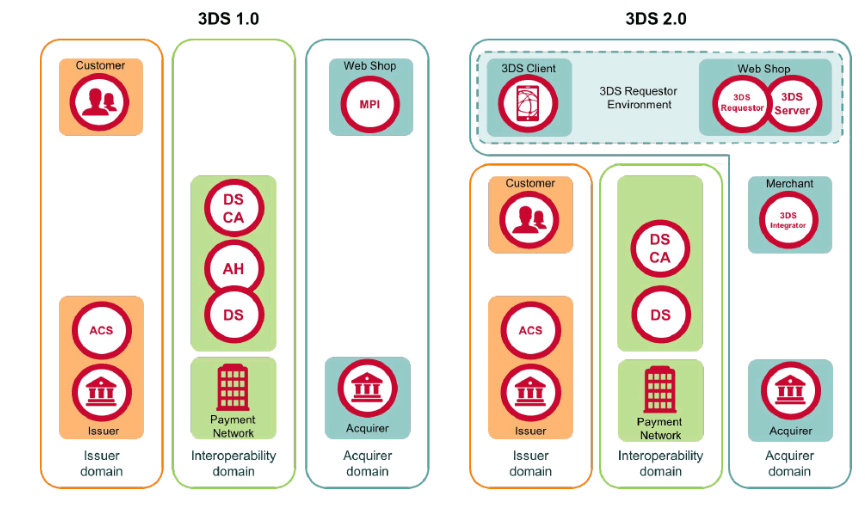
Architecture of 3DS 1.0 compared with 3DS 2.0, showing the issuer, interoperability and acquirer domains

Security

What Is 3D Secure 2.0?

Before 3D Secure 2.0, let's explain what 3D Secure is. 3D Secure is a two-layer payment authentication system that protects both the cardholder and the merchant in online payments. First released by Visa in 1999, it was later adopted by other card schemes…

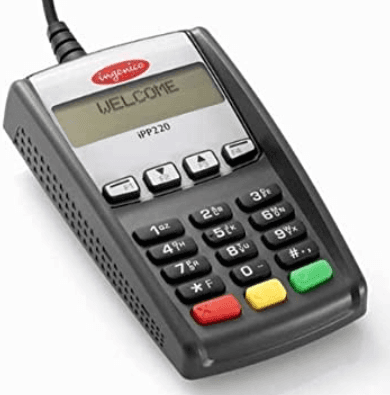
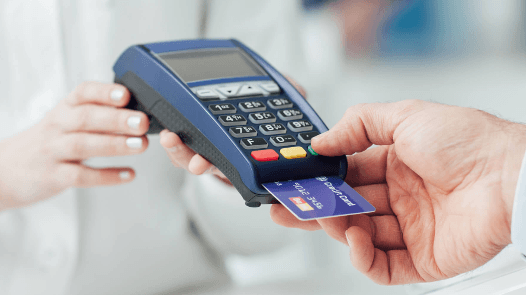
Photo of a Pin Entry Device (PIN pad) used for card payments

Merchant & POS

What is a Pin Entry Device (PED)?

Pin Entry Device is another name for the PIN pad device we all know and use daily. It makes it easier for users to enter their card PIN during POS transactions with credit or debit cards, and is used for contactless card reading...

Table of ISO 8583 response codes that trigger card capture

Merchant & POS

What Are the Card Capture Error Codes?

Response codes returned on payment transactions are critical for managing next steps. Curious which error codes trigger card capture? Under ISO 8583, codes 04, 07, 33, 34, 36, 38, 41 and 43 all result in the card being captured.

Diagram illustrating BKM TechPOS shared POS infrastructure

Merchant & POS

What is BKM TechPOS?

BKM TechPOS is an infrastructure through which card acquirers and POS/cash register manufacturers can interoperate via BKM, letting all participating banks provide card acceptance services on a single device.

Payment card being swiped on a tampered POS device in a credit card fraud scheme

Credit Card

A New Method in Credit Card Fraud!!

Credit card fraud keeps changing form, but the aim is always to trick the cardholder into giving up card details. Fraudsters posing as delivery couriers now copy cards on modified POS devices. Here is how the scam works and how to protect yourself.

Screenshot of the regulation article on ATM access for customers with orthopedic disabilities

ATM

What Must Banks Do for Customers with Orthopedic Disabilities?

Banks must provide the infrastructure for ATM access by customers with orthopedic disabilities. Not every ATM has to comply: at least two out of every 100 ATMs a bank operates must be suitable. This post explains the details of the regulation article.