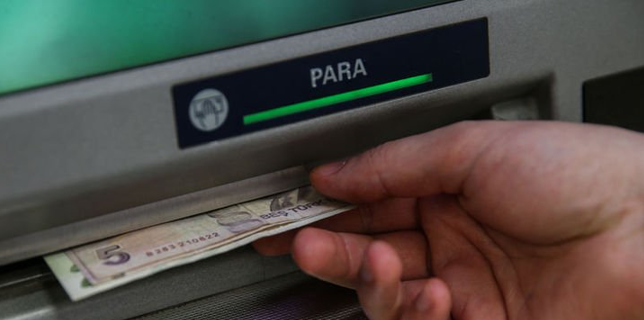
You are making a transaction at an ATM, and after you start the transaction, the ATM returns your card. You think there is no problem at all.
So in which cases is the card returned to the customer?
Although the situations below vary from bank to bank, the commonly used response codes are listed below.
Issuer: refers to the bank that issued the card.
| Code | Explanation | Standard Description |
| 01 | Call your bank (Issuer) | Refer to card issuer |
| 02 | Call your bank, special condition (Issuer) | Refer to card issuer, special condition |
| 05 | Transaction not approved. (One of the most frequently used error codes when banks do not approve a transaction.) | Do not honor |
| 14 | Invalid card number | Invalid account number (no such number) |
| 15 | Issuer not found | No such issuer |
| 52 | Account not found | No checking account |
| 57 | The issuer bank did not permit the transaction | Transaction not permitted to cardholder |
What does it mean when the card is returned?
A returned card often means that the bank declined the transaction but did not consider it necessary to retain the card. The reasons may include insufficient balance, an incorrect PIN or a temporary restriction.
The message on the screen and the code on the receipt help you understand the source of the problem. The customer should not try the same transaction over and over but should first find out the reason.
If the card is not returned, you need to call the bank and ask about the status of the card.