Skip to content

Search

"Transaction Code"

217 articles found

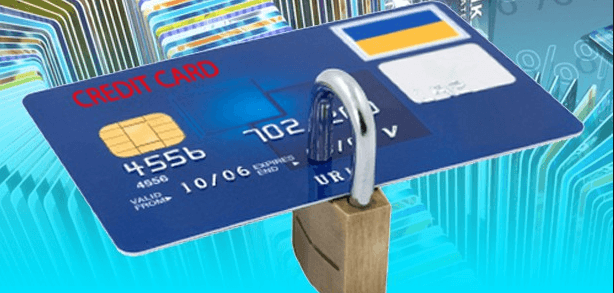
Diagram illustrating how a transaction's 3D Secure authentication level is determined

3D Secure

How is a transaction's 3D Secure level determined?

Especially with the growth of the internet, credit card transactions have started shifting from physical POS terminals to virtual POS terminals. In virtual transactions, the 3D Secure structure is used instead of the card PIN entered in physical transactions. So how is a transaction's…

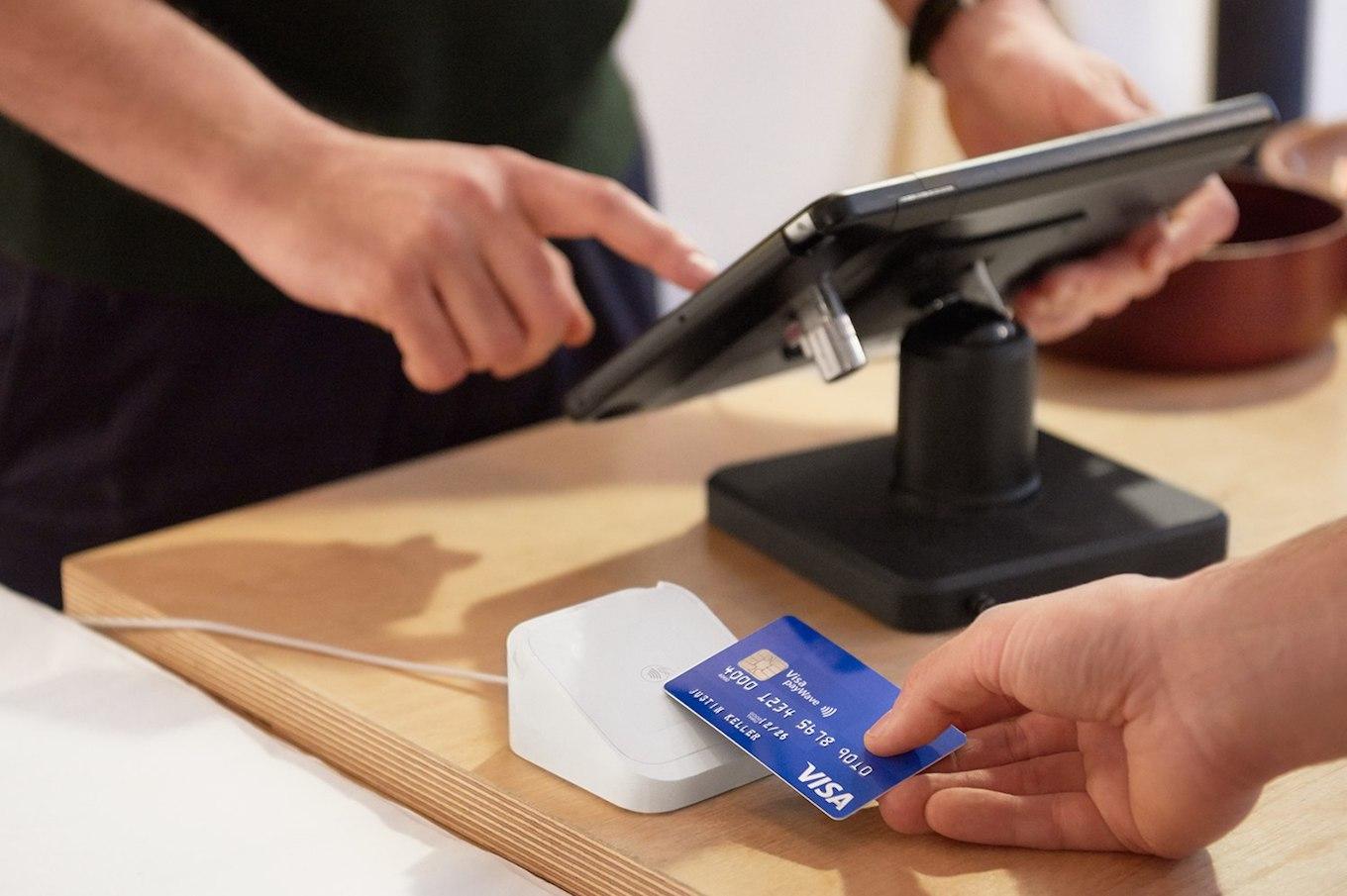
Diagram explaining 3D Secure, Half 3D, and Non 3D e-commerce transaction levels

Merchant & POS

What is an E-commerce Transaction?

E-Commerce can briefly be described as the sale and purchase of products over the internet, a term used since 1969. Virtual POS operates behind e-commerce transactions, which take place at different levels: Non 3D, Half 3D, and Full 3D Secure.

Diagram showing 3D Secure, Half 3D Secure, and Non-3D Secure transaction flows based on VERes and PARes response codes

Payment Systems

What is a Half 3D Secure transaction?

A Half 3D Secure transaction is, in short, the term used when the merchant supports 3D Secure but the card does not. Can such transactions occur as 3D Secure/Half Secure when the merchant does not support 3D Secure? A transaction started without the 3D process is treated as Non-Secure.

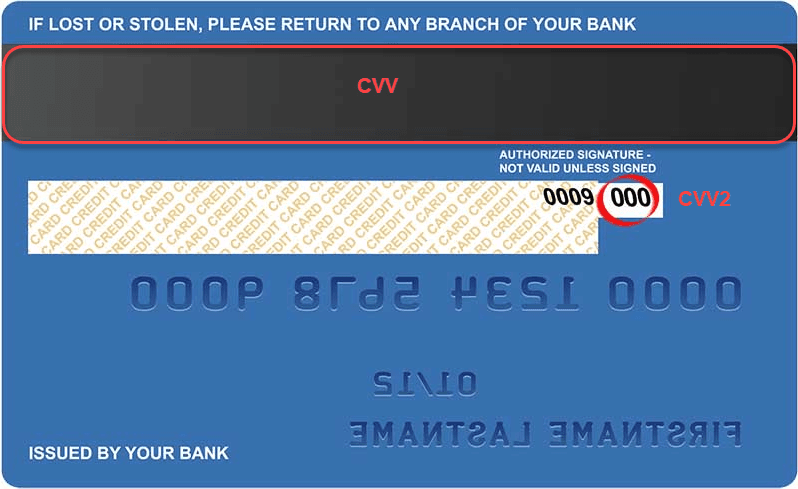
Diagram explaining how the CVV/CVC code is generated and verified on payment cards

Credit Card

What is CVV/CVC?

CVV is short for Card Verification Value, a term used by Visa. CVC is short for Card Verification Code, a term used by MasterCard. The CVV/CVC code is used for cardholder verification and to reduce fraud risk.

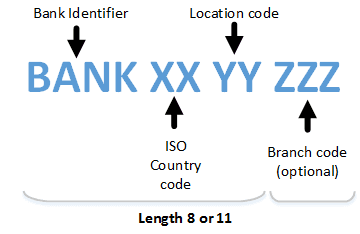
Diagram illustrating the structure of a Bank Identifier Code (BIC)

EMV

What is a Bank Identifier Code (BIC)?

BIC stands for Bank Identifier Code. It is the universal bank identification code used for automated processing in banking and related financial environments, identifying banks as specified by the ISO 9362 standard.

Table describing the subfields of ISO 8583 field 60, the advice reason code

ISO 8583

ISO 8583 Field Descriptions (F60)

F60-ADVICE REASON CODE: Used to indicate the specific purpose of an advice/reversal message. It is 60 characters long.

Merchant calling the bank from a POS terminal to report a suspicious Code 10 transaction

Merchant & POS

What is a Code 10 message?

Code 10 is when a merchant suspects the cardholder or the card is counterfeit and calls the card's bank, which then verifies the transaction with the merchant's bank. If staff suspect a card or cardholder, they should call the bank immediately.

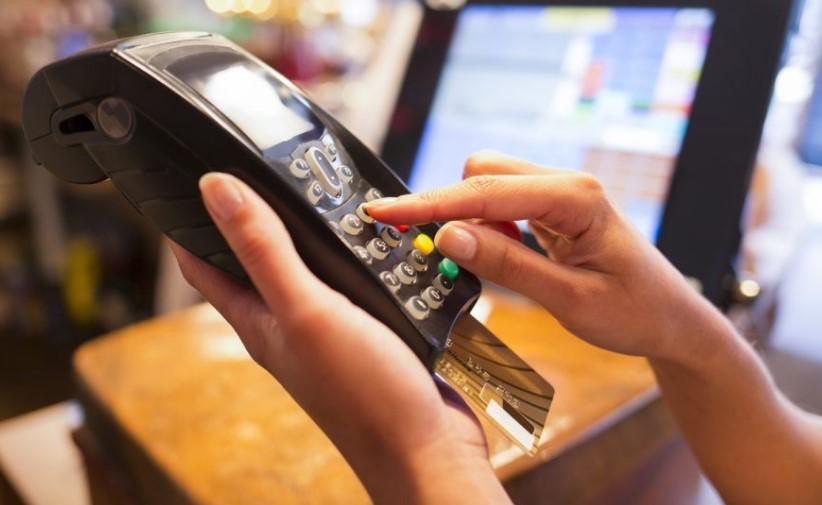
POS terminal screen showing the cancellation transaction menu

Merchant & POS

How does the cancellation (void) process work on a POS?

Many transactions are carried out with cards on a POS terminal. Sometimes a transaction must be reversed, and cancellation (void) is one such transaction. A Sale can only be cancelled on the POS before the batch (end of day) is closed; otherwise a refund is needed.

Illustration for a glossary of cryptocurrency terms such as Bitcoin, blockchain and mining

Cryptocurrency

What Are the Terms Used in the Cryptocurrency World?

Cryptocurrencies are becoming part of everyday life and are expected to compete seriously with card payments. This glossary explains the key crypto terms, from address, altcoin and arbitrage to halving, mining, proof of stake and stop-loss.

Credit card showing CVV security code location

Credit Card

Can a Card Have CVV Printed on Both Sides?

Yes. American Express cards have a 4-digit CVV on the front and a 3-digit CVV on the back, like other cards. Here's how payment forms should handle both formats and why logging the security code is never allowed.