Merchant & POS
Transaction Status Information (TSI)
Contains the EMV steps performed by the Terminal in a transaction. The TSI fields, their possible values, and descriptions of the values are shown below.
Search
217 articles found
Merchant & POS
Contains the EMV steps performed by the Terminal in a transaction. The TSI fields, their possible values, and descriptions of the values are shown below.
Security
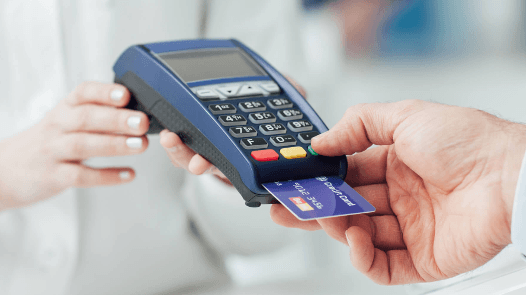
A CP transaction refers to a card transaction in which the card and cardholder are physically present at the location. Card Present transactions occur when the card's magnetic stripe or chip data is read by a POS terminal or ATM, or via contactless.
Payment Systems
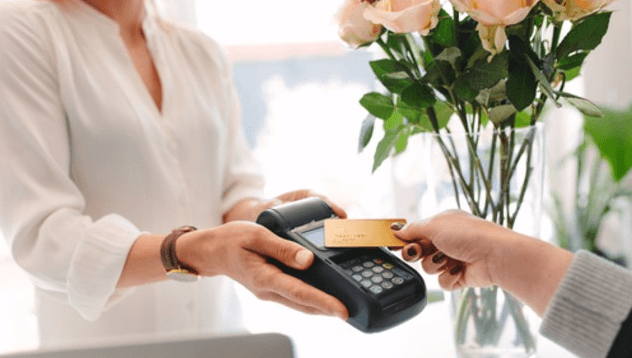
The domestic authorization flow for below-CVM-limit online contactless transactions has changed. Issuers can now ask the cardholder for a PIN or request card insertion instead of simply approving or declining. This post explains the CVM list and the new DE48 PDS22 and DE39 = 65 message flows.

Merchant & POS
An offline transaction is one in which the card and POS terminal approve the transaction based on their own parameters, without contacting their banks. Whether contact or contactless, the device decides whether the transaction is processed offline.

Credit Card
Cases where authorization approval is declined have always puzzled cardholders. Whenever the response code requires contacting the issuing bank (usually for declined transactions), the date, amount, and response code of the failed transaction become very important.
Payment Systems
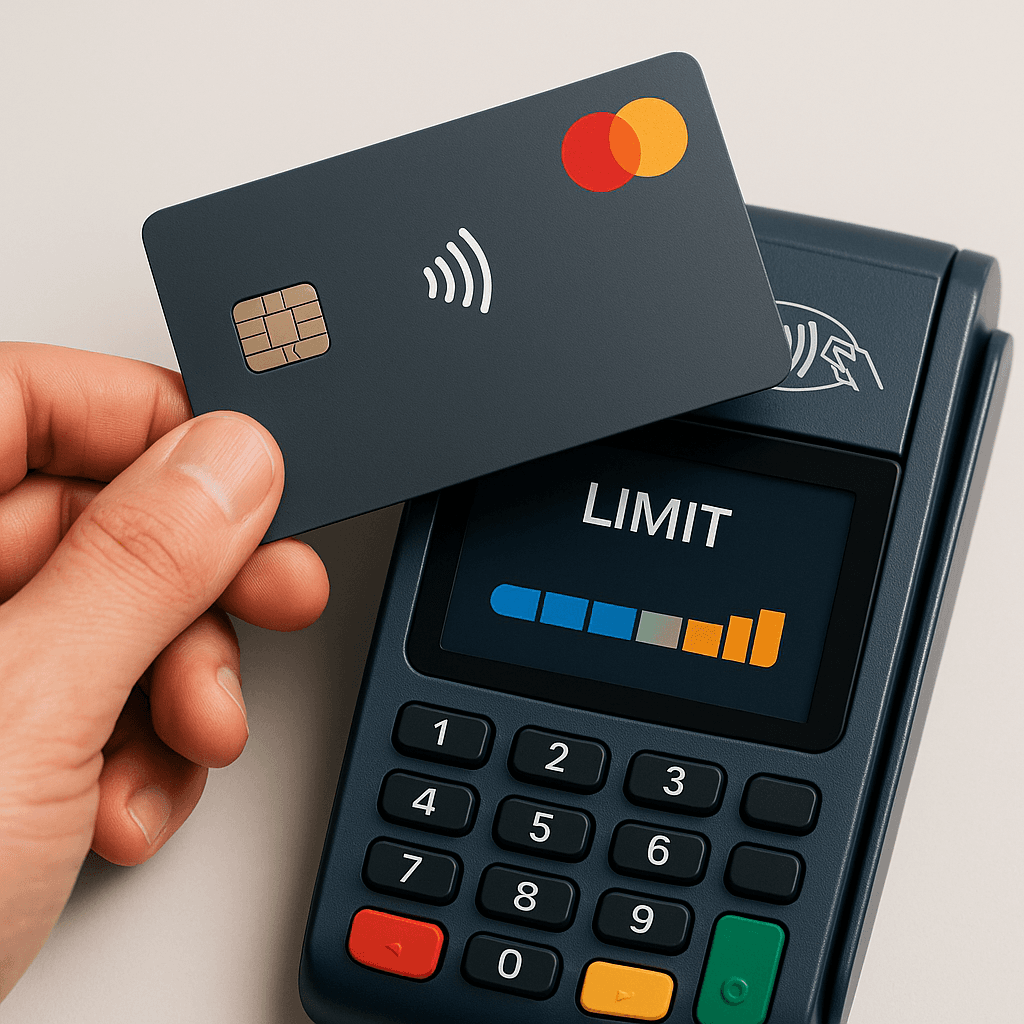
One of the most notable recent developments in card payments is that contactless limits are no longer fixed and can be managed dynamically per customer. Mastercard and Visa are taking different but complementary approaches, and ISO 8583 may need to evolve with them.

Merchant & POS
A surcharge is a fee, charge, or tax added to the cost of a good or service. In payment systems, it refers to adding the merchant's transaction commission to the cash sale amount on credit card transactions, resulting in a higher charge.
ATM
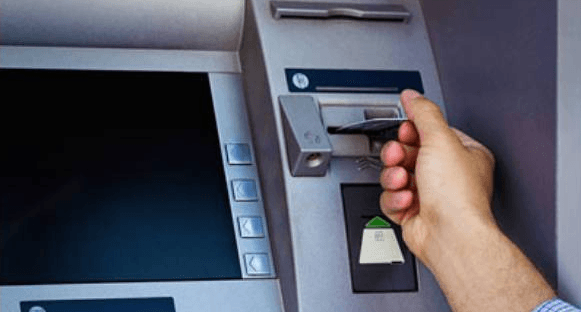
At payment points such as ATMs and POS terminals, the most critical step is PIN verification or verifying the customer through their identity information. However, since ATMs cannot verify a customer's identity, PIN verification becomes more important. So how is it performed?

Payment Systems
The biggest benefit of contactless payment is completing small transactions quickly. You can pay purchases under 350 TL without a PIN, while purchases above 350 TL require your card PIN.
Credit Card
In online transactions, a one-time 3D Secure password is sent to the cardholder's phone. Find out who is liable if that password is shared with someone else, and what happens when a transaction is not completed with 3D Secure.
Merchant & POS
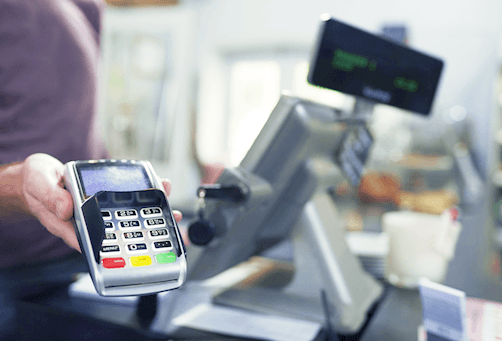
When signing a merchant agreement, merchants declare their line of business, which banks record as an MCC (Merchant Category Code). A merchant may only sell products or services within the line of business declared to its bank.
Credit Card
The following steps should be followed when launching a new product: decide on the brand, request a new BIN from the scheme (Mastercard, Visa, Troy), define the BIN in the bank's system, generate keys in the HSM, and roll it out after certification.