
HSM & Security
What is PEK (Pin Encryption Key)?
PEK is the abbreviation for Pin Encryption Key. The role of PEK is to encrypt PINs. There are two types of PEK: TPK (Terminal Pin Key) and ZWK (Zone Working Key).
Search
167 articles found
HSM & Security
PEK is the abbreviation for Pin Encryption Key. The role of PEK is to encrypt PINs. There are two types of PEK: TPK (Terminal Pin Key) and ZWK (Zone Working Key).
Merchant & POS
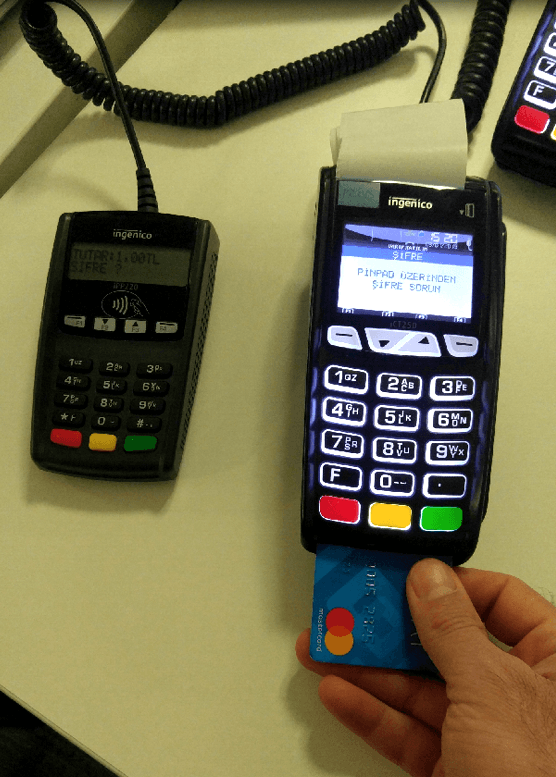
A PIN pad lets cardholders safely enter their PIN during POS transactions and lets contactless cards be tapped to transfer card data to the POS. Here is how it works.
Credit Card
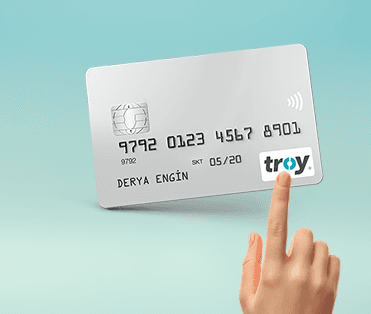
In the world of payment systems, just as credit cards are an indispensable product, a payment scheme is indispensable for credit cards. When a credit card product is launched, the scheme it will be issued under is decided first.

Payment Systems
Below is information on the products found in the Visa and MasterCard systems and their associated product codes, listed under Product ID (cardProductId).
ATM
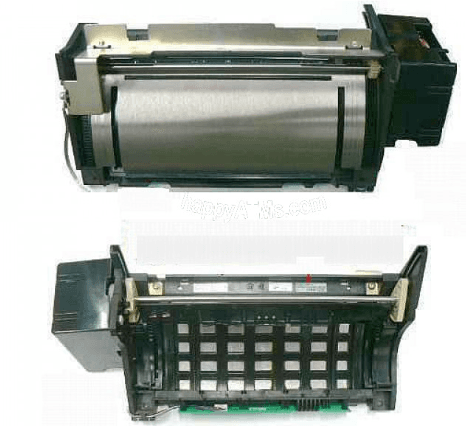
The shutter can be described as the gate mechanism that prevents financial loss during ATM cash deposit and withdrawal transactions by controlling customer access to cash and preventing tampering with the ATM system.

Online & Authorization
When a card transaction is made abroad, banks usually calculate the cost from a percentage commission, a fixed commission, and an exchange rate margin. The flow starts when the customer requests a cash withdrawal at a foreign ATM.
Merchant & POS
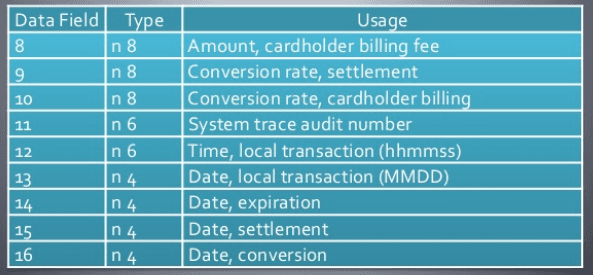
The System Trace Audit Number (STAN) is a number assigned by the third-party system (ATM or POS) to help uniquely identify a transaction. It is generated in the range 000001 to 999999. Each new authorization message needs a new STAN; retries reuse the original STAN.

Payment Systems
BKM, short for Interbank Card Center, is a legal entity established in 1990 with contributions from 13 public and private Turkish banks to provide clearing and settlement for cards.

Payment Institutions & E-Money
A payment institution is a legal entity authorized under the Law to provide and execute payment services. It must be a joint stock company meeting the conditions in Article 14 of Law No. 6493. This post sets out the services listed in Article 12 and the exclusions.

Payment Institutions & E-Money
The Law defines e-money as monetary value issued in exchange for funds accepted by the issuer, stored electronically, used for payment transactions and accepted as a payment instrument by persons other than the issuer. This post explains e-money institutions and the services they may provide.

ISO 8583
DE 52 — Personal Identification Number (PIN) Data: the field that holds the PIN data. PIN verification is carried out based on this field.
ISO 8583
Field 3, Processing Code, is the field that shows what type of transaction is being performed and is critical for authorization. A Sale from POS differs from a Cash Withdrawal at an ATM.