Skip to content

Search

"POS terminals"

166 articles found

Merchant and bank settlement process for POS transactions

Merchant & POS

How do banks work with merchants?

After a merchant applies to a bank and the required checks on the company are completed, a POS is connected to the customer. Settlement can be commission-based, held for a period, or both, depending on the agreement.

TR QR Code supported payment devices

Payment Systems

Which Devices Can I Pay From With the TR QR Code?

According to BKM's TR QR Code Technical Principles and Rules Guide for card payments, QR code payment structures apply to EFTPOS, shared EFTPOS, ÖKC, ATMs, payment provider apps, static QR codes and virtual POS.

Diagram showing the CAT (Cardholder Activated Terminal) Indicator field used in payment authorization messages

Merchant & POS

What is the CAT (Cardholder Activated Terminal) Indicator?

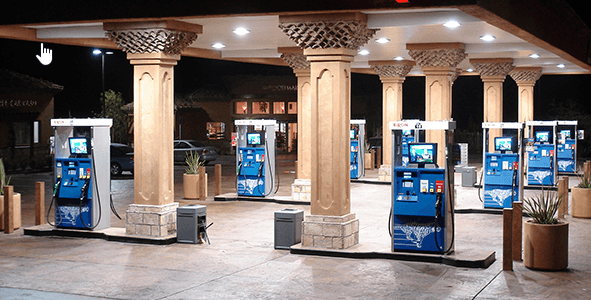
CAT (Cardholder Activated Terminal) devices are typically unattended terminals that accept various payment cards. These terminals are frequently installed at railway ticket stations, gas stations, toll roads, parking lots, and other commercial locations.

Payment card with an EMV chip

Clearing

What is Chip Condition Code?

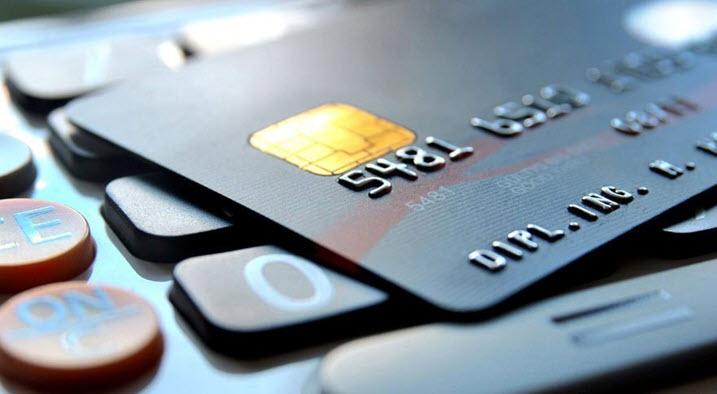
Chip Condition Code is a code carried in the F60 (Additional Data) DE14 field during clearing that shows the chip read status. The possible values and their descriptions are listed below.

Diagram of ISO/IEC card standards defining credit card dimensions and layout

Credit Card

Standards that define credit card design and operation

When payment systems come to mind, credit cards are usually the first thing people think of. Credit cards are produced according to specific standards, both in visual design and during printing. These standards belong to the ISO/IEC 781X family.

Merchant category code (MCC) and POS agreement illustration

Merchant & POS

What Should a Merchant Do When It Changes Its Line of Business?

When signing a merchant agreement, merchants declare their line of business, which banks record as an MCC (Merchant Category Code). A merchant may only sell products or services within the line of business declared to its bank.

Diagram of the online authorization flow for below-CVM-limit contactless transactions

Payment Systems

Domestic Flow Change Made for Below-CVM-Limit Online Contactless Transactions

The domestic authorization flow for below-CVM-limit online contactless transactions has changed. Issuers can now ask the cardholder for a PIN or request card insertion instead of simply approving or declining. This post explains the CVM list and the new DE48 PDS22 and DE39 = 65 message flows.

ISO 8583 F22 Point of Service Entry Mode table

ISO 8583

ISO 8583 Field Descriptions (F22)

F22 - POINT OF SERVICE ENTRY MODE: This field holds how the transaction was performed via the POS/ATM and the PIN entry capability of the POS device. The first 2 digits show how the transaction was performed, and the last digit (shown as x) carries the POS's PIN entry capability. Numeric...

Diagram explaining the System Trace Audit Number (STAN) field in a payment transaction

Merchant & POS

What is a System Trace Audit Number (STAN)?

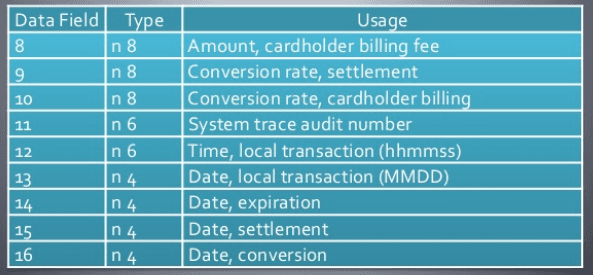
The System Trace Audit Number (STAN) is a number assigned by the third-party system (ATM or POS) to help uniquely identify a transaction. It is generated in the range 000001 to 999999. Each new authorization message needs a new STAN; retries reuse the original STAN.

Illustration of a card payment approved for a partial amount

Merchant & POS

What Is Partial Authorization?

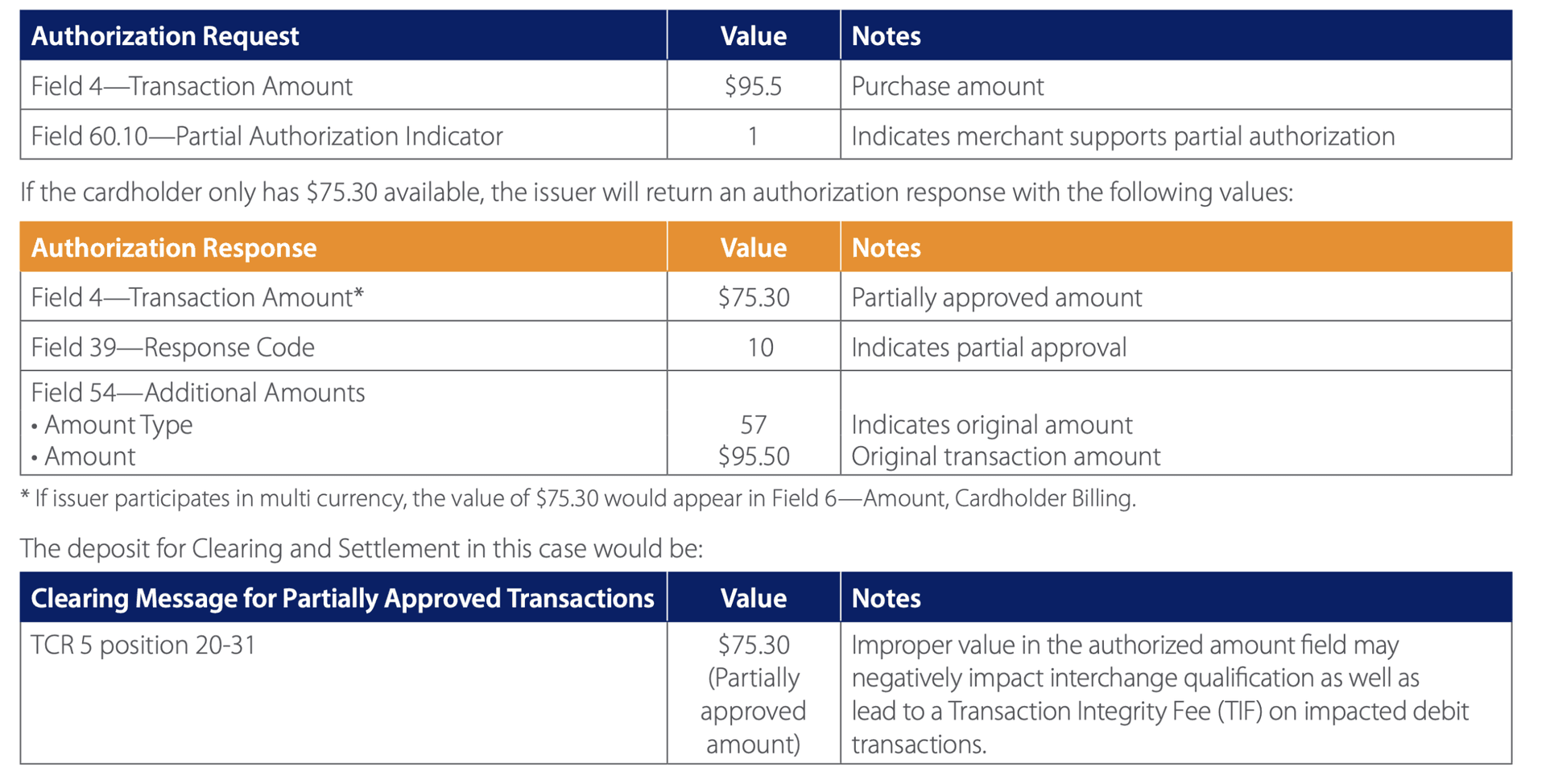
Partial Authorization lets an issuer approve part of a transaction instead of declining it when the balance or limit is insufficient. This post covers how it works in ISO 8583, whether it is mandatory, and why it matters for the business.

Contactless payment card being tapped on a POS terminal

Merchant & POS

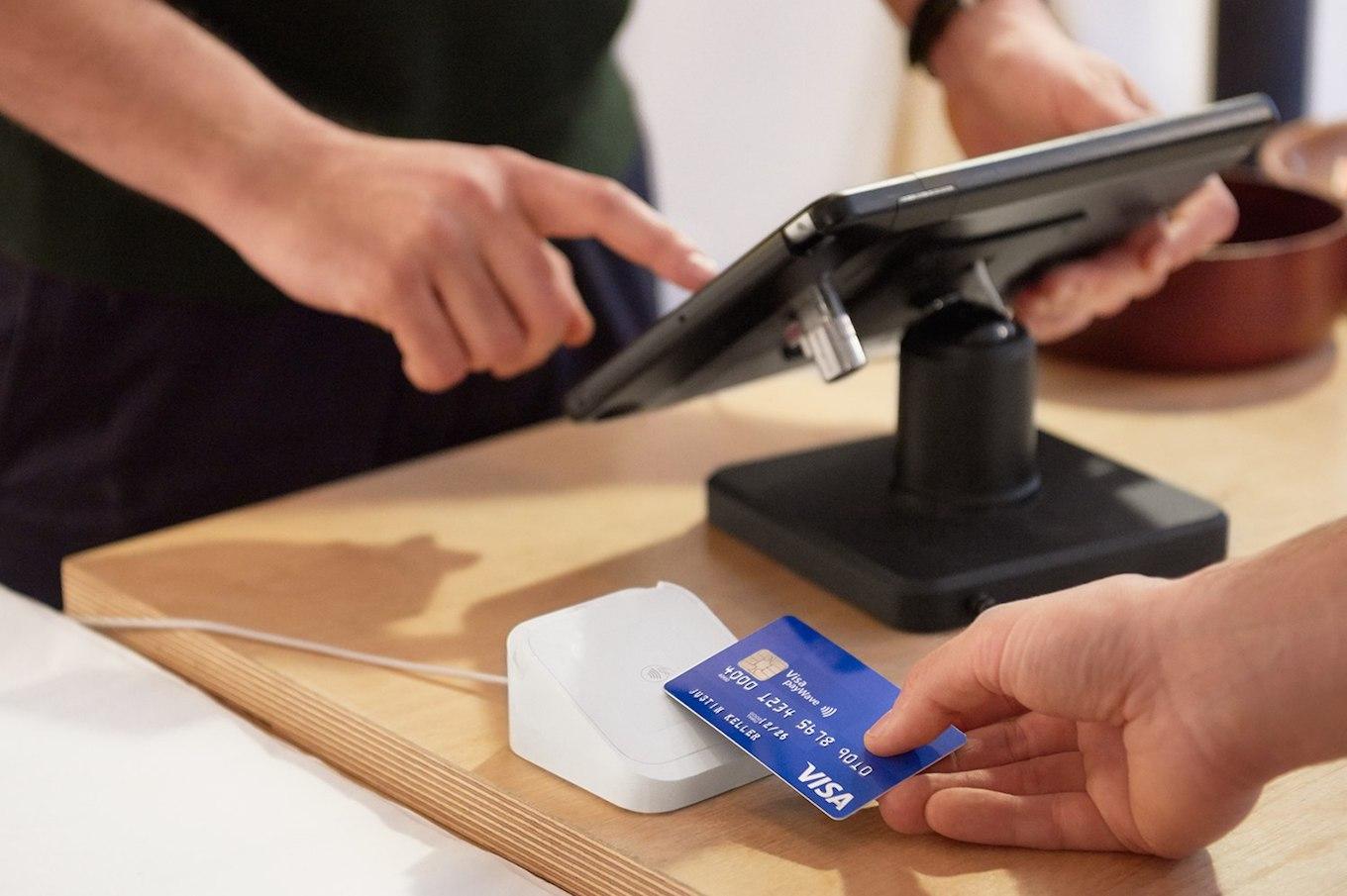
Can a contact/contactless transaction be processed offline?

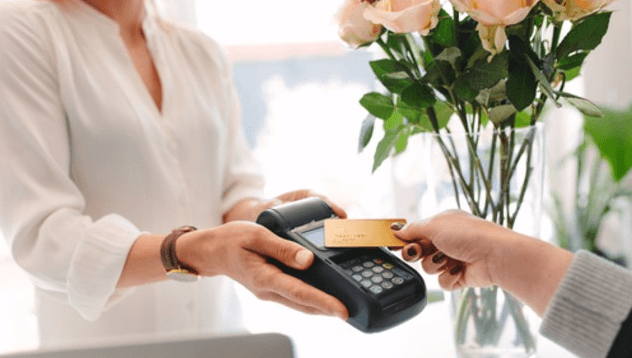
An offline transaction is one in which the card and POS terminal approve the transaction based on their own parameters, without contacting their banks. Whether contact or contactless, the device decides whether the transaction is processed offline.