Skip to content

Search

"POS transactions"

280 articles found

Illustration of Host Card Emulation (HCE) enabling contactless mobile payments

Online & Authorization

What Is HCE?

HCE lets a mobile device's operating system emulate the cards we use daily (credit, debit, gift cards, etc.) to make contactless payments via NFC. In other words, our phones behave like the cards we use for payments.

Illustration representing the advantages and disadvantages of credit cards

Credit Card

What Are the Advantages and Disadvantages of a Credit Card?

Credit cards can be a convenient way to manage income and expenses, but for those who don't know how to use them, they can become an expensive and risky product. Here are the key pros and cons to weigh before applying for one.

Illustration of recurring payments and automatic card collection for subscription businesses

Merchant & POS

Key Points to Watch for in Recurring Payments

Winning customers is one of the most important things in business, but keeping them satisfied matters just as much. If you collect payments at regular intervals, such as monthly, these tips will help you improve the success rate of recurring collections.

Example of RRN printed on a POS receipt used to trace ISO 8583 transactions

ISO 8583

ISO 8583 Field Descriptions (F37)

F37 - RETRIEVAL REFERENCE NUMBER: a 12-digit alphanumeric value generated by the Acquirer that initiates the transaction. It must be printed on the POS receipt or ATM slip. RRN is the reference number that allows a transaction to be located.

Table listing ISO 8583 Field 25 (POS Condition Code) values

ISO 8583

ISO 8583 Field Descriptions (F25)

F25 - POINT OF SERVICE (POS) CONDITION CODE is the field that defines the condition under which a POS transaction was performed. Possible values include 00 Normal presentment, 01 Customer not present, 02 Unattended terminal, and more.

Diagram explaining the MCC merchant category code field in ISO 8583 messages

ISO 8583

ISO 8583 Field Descriptions (F18)

F18-MERCHANT TYPE: This is the merchant's category code (MCC) information. It must contain values from the Mastercard or Visa MCC Code list. It is a 4-digit numeric value. For ATM transactions, MCC code 6011 should be sent. The role of MCC in authorization...

Diagram illustrating the ISO 8583 field 32 structure

ISO 8583

ISO 8583 Field Descriptions (F32)

F32 - ACQUIRING INSTITUTION IDENTIFICATION CODE: the 11-digit acquirer bank ID. The values it can take for domestic transactions and by card brand include Visa, MasterCard, UnionPay, Discover and JCB formats.

Diagram illustrating the structure of an ISO 8583 message field

ISO 8583

ISO 8583 Field Descriptions (F41)

F41 - CARD ACCEPTOR TERMINAL IDENTIFICATION: the terminal where a transaction took place. An 8-character alphanumeric value generated by the acquirer bank and assigned to the POS, managed as a unique terminal number at the acquirer.

Payment terminal running multiple bank applications as a shared POS

Payment Systems

What is a shared POS? Key points for projects and testing

A shared POS is a bank or institution terminal that can host more than one application. This post covers the software, APN and authorization steps, and the key test scenarios to cover in a shared POS project.

Ingenico POS terminal illustrating POS brand and model

Merchant & POS

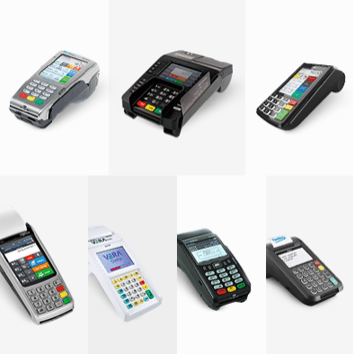
What does POS brand and model mean?

Just like a car, a POS device has a brand and a model, for example Ingenico ICT220 or Ingenico ICT250. Each model differs from the others: some have a contactless reader while others may not, and screens, memory and features vary.