Skip to content

Search

"banking data"

183 articles found

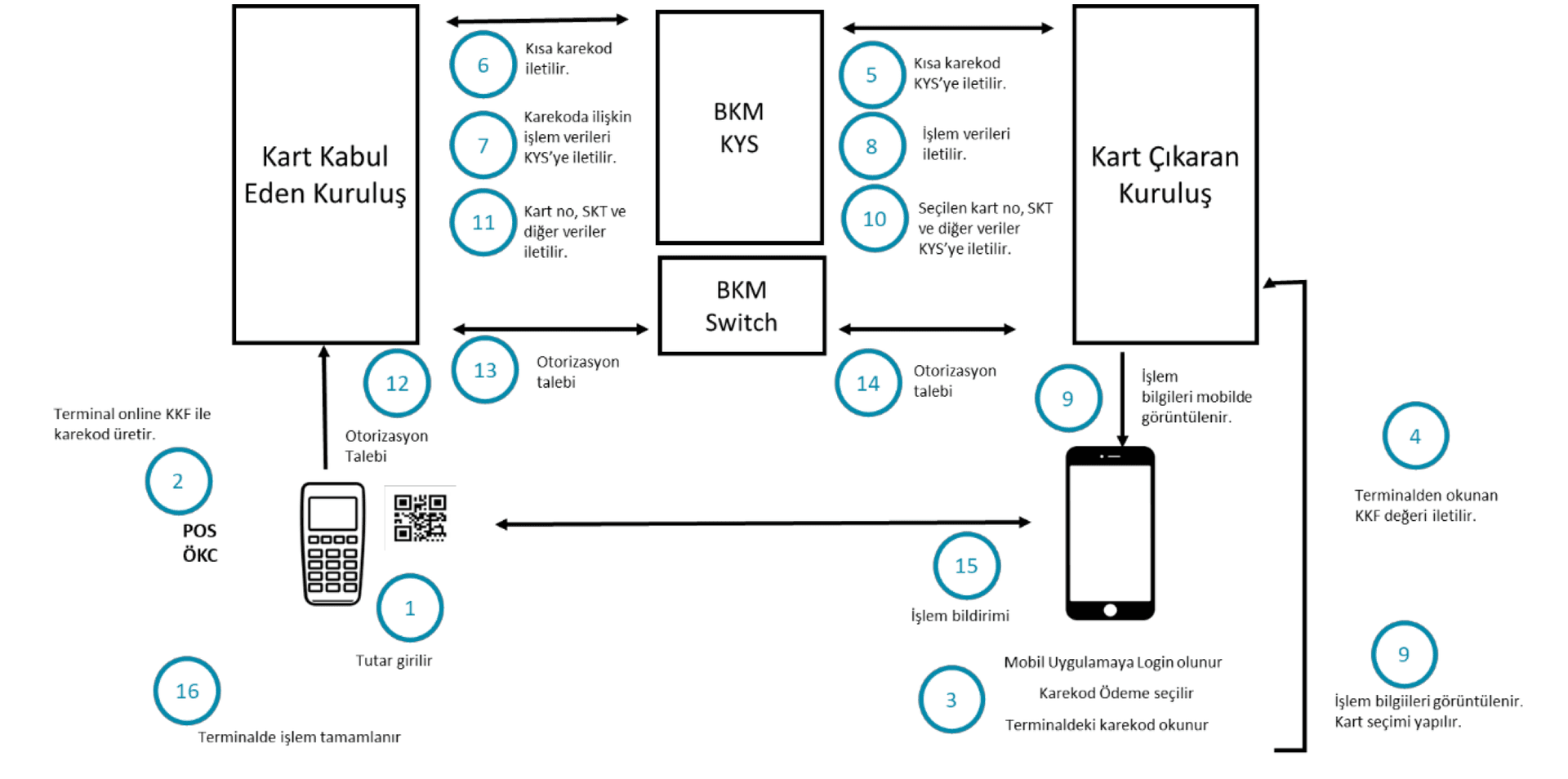
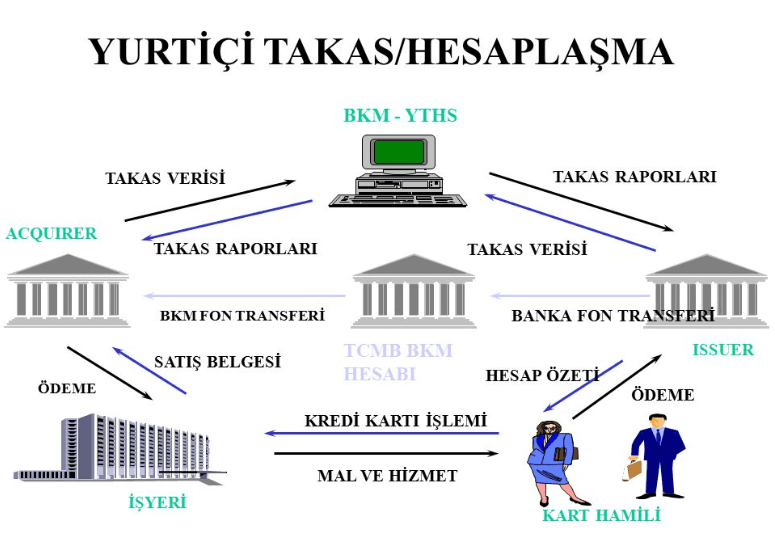
Diagram of the TR QR Code payment flow between cardholder, issuer, BKM and acquirer

Payment Systems

Why Am I Getting an Error When I Try to Pay with a TR QR Code?

In payment or cash withdrawal transactions, the TR QR Code is generated by the POS or ATM. The card issuing bank must build its systems to read and act on this code. Errors usually stem from mishandling the long and short QR code flows, which are explained here.

ISO 8583 field 52 PIN data encrypted PIN block

ISO 8583

ISO 8583 Field Descriptions (F52)

DE 52 — Personal Identification Number (PIN) Data: the field that holds the PIN data. PIN verification is carried out based on this field.

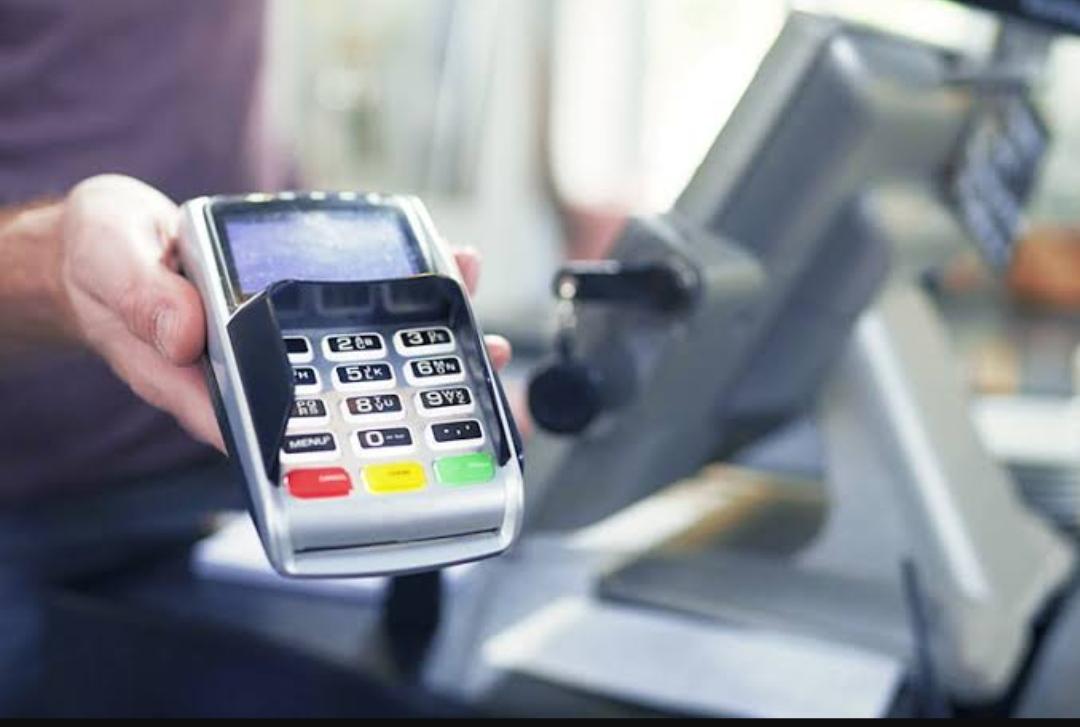
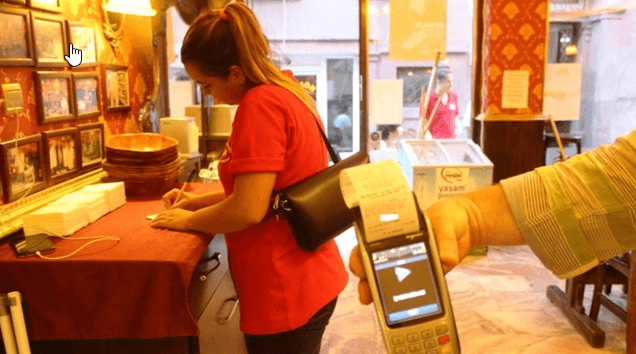
POS terminal used for EMV card payment processing

Merchant & POS

TVR (Terminal Verification Results)

Terminal Verification Results (TVR): a sequence of bits produced when a terminal reads an EMV card, based on logical checks such as an expired card. This data object is used to decide whether a payment transaction should be accepted online, declined, or allowed to proceed.

Online shopping and e-commerce payment on a laptop with a bank card

Payment Institutions & E-Money

What are the advantages of working with a payment institution?

Online shopping keeps growing, and e-commerce sites must choose between working with a bank or a payment institution. This article explains why a single application and integration with a payment institution can be the better route.

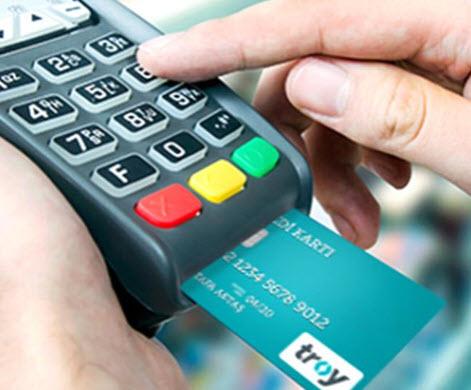
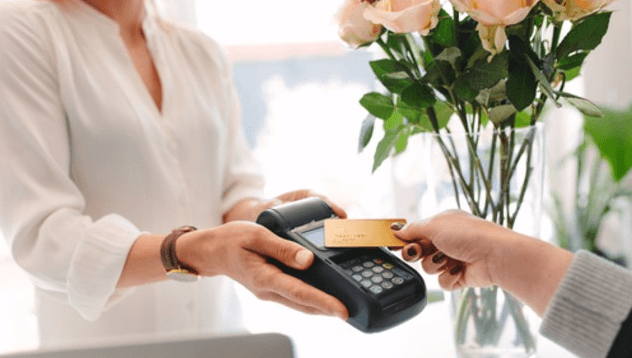
Contactless payment being made with a chip debit card at a POS terminal

Debit Card

Can a debit card (ATM card) be used for contactless transactions?

A contactless transaction is a fast, secure payment made between a chip card and a POS device without direct contact, without the card's chip or magnetic data being read through the card reader. Can this be done with a debit card (ATM card)?

Diagram illustrating how bank fraud detection systems analyze transactions

Fraud

How Do Fraud Applications Work?

Fraud management is used to detect possible fraud on customer accounts and provides additional security for transactions when necessary, making it one of the top priorities for banks.