
Credit Card
What Is a Periodic Credit Limit Increase?
As credit card use grows, so does the importance of raising your limit to keep pace with inflation. Learn how periodic limit increases work, who qualifies, and the legal caps that apply.
Search
286 articles found
Credit Card
As credit card use grows, so does the importance of raising your limit to keep pace with inflation. Learn how periodic limit increases work, who qualifies, and the legal caps that apply.
HCE
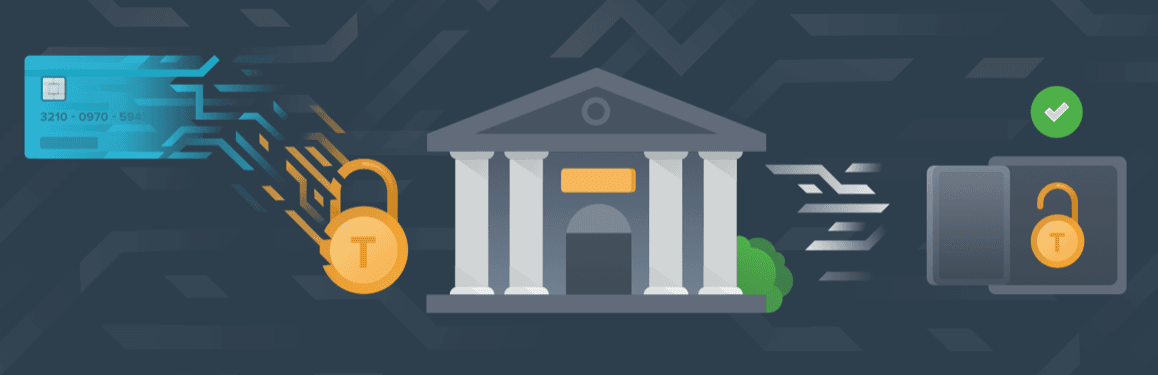
A tokenized card number replaces a physical card number so transactions can be carried out securely. It is generated by the TSP (Token Service Provider), used by the cardholder or merchant, and travels across the payment systems network.

Credit Card
At first glance, a credit card seems like a product offered for cardholders' use and benefit, but it also provides significant benefits to merchants, from faster cash flow to collection security and new customers.

Online & Authorization
Online transactions grow every day in both number and volume, and so does the risk of fraud. Here are practical steps cardholders can take to shop online more safely.
Debit Card
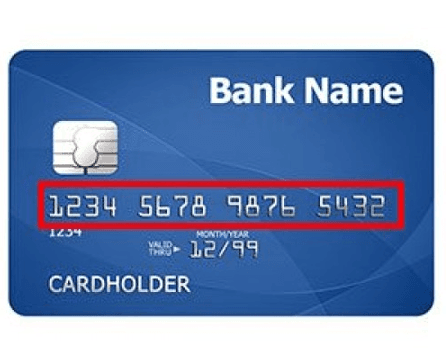
The main difference between embossed debit cards and standard debit cards is that the card number, cardholder name, and expiration date are printed in raised, embossed format rather than flat.

Credit Card
Pre-authorization reduces the merchant's risk by blocking part of the card's limit for a set period. Since a credit card has a defined limit, an amount can be blocked against it. ATM cards and prepaid debit cards have no such limit to block.

ISO 8583
DE 13 — Date, Local Transaction: the date on which the transaction took place at the point of transaction (ATM, POS). It is 4 digits in MMDD format.
ISO 8583
DE 12-TIME, LOCAL TRANSACTION: the local time at which the transaction took place at the point of transaction (ATM, POS). 6 digits, hhmmss format. F12 differs from F7 (Transmission Date and Time).
ISO 8583
F54 - ADDITIONAL AMOUNTS is the additional amount field used in transactions. It can take different values depending on the transaction, such as carrying account balance information for balance inquiries.
ISO 8583
F55 - INTEGRATED CIRCUIT CARD (ICC) SYSTEM RELATED DATA: the field where EMV data is written on chip cards. It consists of components such as Position, Private Data Subelements, PDS Tag, PDS Length, and PDS Value...
ISO 8583
F39 - RESPONSE CODE: This is the code showing whether the transaction was approved or declined. It is 2-digit alphanumeric. Typically 00 is sent when approved, and a decline reason code is sent when declined.
Credit Card
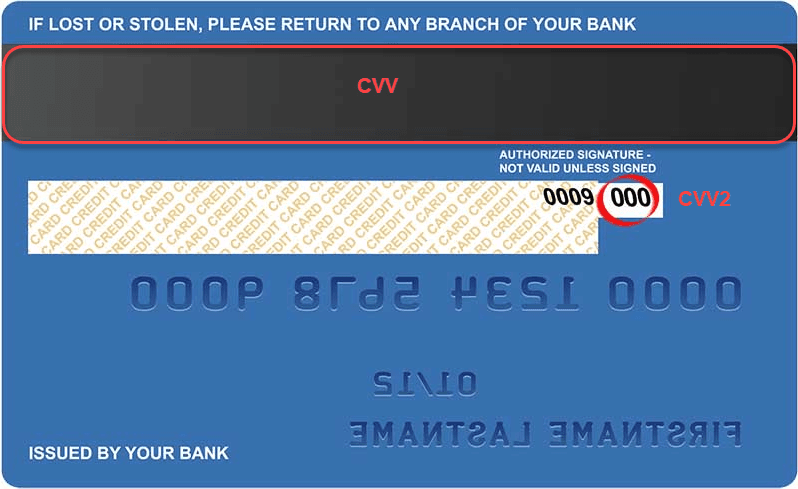
CVV (CVC) and CVV2 (CVC2) are two terms that cardholders often confuse. Both are used for verification in card transactions, but there are notable differences between them, such as where each is printed and which transactions use it.