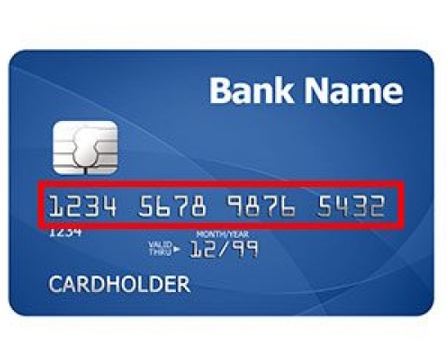
The main difference between embossed debit cards and standard debit cards is that the card number, cardholder name, and expiration date are printed in raised, embossed format.
Is there a security difference between embossed cards and standard debit cards?
There is no difference at all between embossed debit cards and standard debit cards in terms of security, card cloning, and similar matters.
If there is no difference in security, why are cards embossed at all?
According to a market survey, cardholders trust embossed cards more, and as a result tend to prefer embossed cards for their purchases.
The same survey also found that the rate of shopping with embossed cards was 25% higher than with non-embossed cards.
The original purpose of embossing
The original purpose of embossing text on cards was the mechanical card imprinting machines used before electronic POS devices became widespread. In these machines, the card was placed under carbon paper, and a roller passed over it transferred the embossed information on the card onto the paper. This is how the card details were recorded on the transaction slip.
Embossed cards today
As electronic POS devices, chip cards, and contactless payments became widespread, embossing lost its technical necessity. For this reason, many banks now produce flat-printed (laser or thermal printed) cards. Flat-printed cards allow for thinner designs and have a lower production cost.
Vertical and numberless designs
In recent years, some banks have offered designs where the card number and security code do not appear on the front of the card, or have been moved to the back of the card. Being able to access card details through a mobile application reduces the risk of card information being seen by others.