Skip to content

Search

"standards"

175 articles found

Collection POS web-based payment management dashboard

Merchant & POS

What is a Collection POS?

A Collection POS is a secure, web-based payment platform through which businesses and institutions manage their collections and generate the reports they need. Many similar products exist on the market under different names.
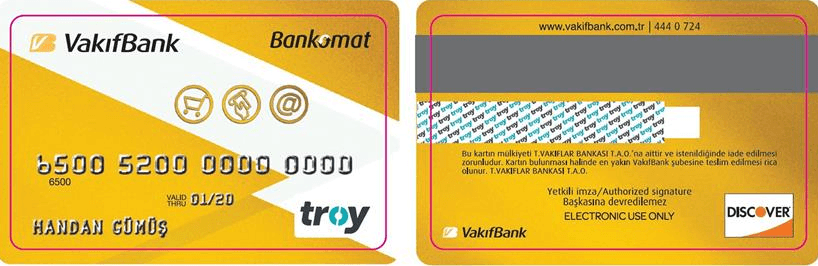
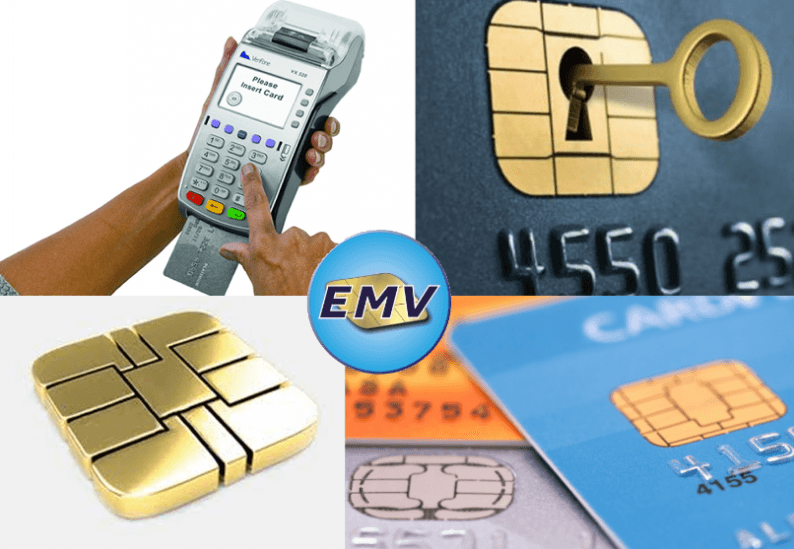
Diagram illustrating a co-badge card issued under two payment schemes

Credit Card

What is a Co-Badge Card?

A co-badge card is issued under two or more payment schemes (Mastercard, Troy, Diners Club, Discover, etc.). If a bank's product supports multiple schemes, customers can request a card carrying two or more payment brands.

Timeline of EMV version history

EMV

What are the EMV Versions?

The history of EMV versions is given below: EMV was standardized in 1995. EMV 3.0, released in 1996, was the first widely used version, commonly known as EMV '96. In 1998, additions were made to EMV 3.0.

Unattended self-service POS terminal used for card payments

Merchant & POS

What Is an Unattended POS?

Unattended POS is a type of POS that is not managed by merchant staff and is triggered by the customer in self-service services. Its use has increased further with the rise of mobile payments.

Diagram illustrating how bank fraud detection systems analyze transactions

Fraud

How Do Fraud Applications Work?

Fraud management is used to detect possible fraud on customer accounts and provides additional security for transactions when necessary, making it one of the top priorities for banks.

Illustration of a new-generation smart cash register combining a fiscal device and a POS terminal

Merchant & POS

What You Need to Know About Smart Cash Registers (OKC)

A smart cash register is a new-generation, IP-based payment recording device that integrates a cash register with a POS terminal. It combines fiscal devices and POS devices in a single unit and transmits data to the Ministry of Finance in real time.

Illustration representing Merchant Category Code classification for card transactions

Merchant & POS

What Does a Restricted/Prohibited MCC Mean?

The MCC code, or Merchant Category Code, is a 4-digit code used to classify merchants. Some MCC codes are restricted or prohibited, and POS terminals or card transactions may be blocked when such a code is used.

Illustration representing real-time and near real-time fraud monitoring in payment systems

Fraud

What is Online (Real Time) and Near Online (Near Real Time) Fraud?

Fraud monitoring refers to tracking card transactions through scenarios to detect potential fraud and taking rapid action immediately before or after a transaction occurs - such as identifying a suspicious transaction, calling the customer, or temporarily blocking the card to prevent authorization.

Diagram illustrating the types of chargeback disputes in card payments

Chargeback

What are the chargeback dispute types?

A chargeback is a dispute raised against a card transaction when the cardholder did not make it or does not recall it. The dispute types vary depending on the situation; let's look at them.

Illustration of the benefits credit cards provide to cardholders

Credit Card

What benefits do credit cards provide to cardholders?

Many people who appear as credit card victims in the news and on social media run into trouble because they think their credit limit is unlimited and forget it must eventually be repaid. A credit card is the best payment instrument, if you know how to use it.

Diagram illustrating how a recycle ATM reuses deposited banknotes for withdrawals

ATM

What is a Recycle ATM?

ATM devices were originally designed for customers to withdraw cash from their accounts. But since many transactions are now possible through ATMs (for example, deposits), many improvements have been made for more effective ATM use. One of the most important examples is Recycle ATMs.