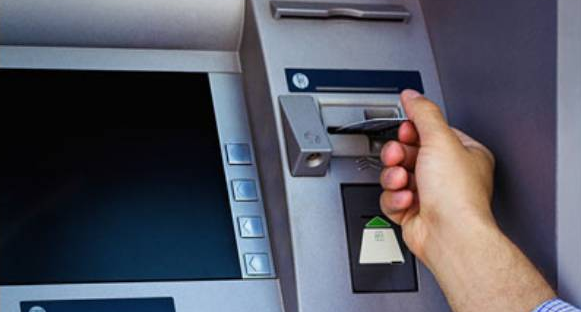
ATM devices were originally designed to allow customers to access their accounts and withdraw cash. However, since many transactions can now be carried out through ATMs (for example, cash deposits), numerous improvements have been made to use ATMs more effectively. One of the most important examples of this is Recycle ATMs.
From the customer's point of view, there is no difference between using a recycle ATM and a standard ATM. However, recycle ATMs make a real difference by significantly reducing the risk that an ATM runs out of cash in its cassettes and can no longer serve customers.
So how is this achieved in Recycle ATMs?
Recycle ATMs are ATMs that can operate for longer periods without being reloaded with cash by reusing the movement of money within the machine itself.
Recycle ATMs work on the principle that banknotes deposited by customers are collected in separate cassettes inside the ATM and, when needed, are dispensed from these same cassettes to customers who want to withdraw cash.
In a Recycle ATM, where deposit and withdrawal transactions are nearly balanced, as long as denominations not defined in the cassettes do not fill up the Recycle ATM's reject cassette (an extra ATM cassette into which banknotes not defined in the normal cassettes are placed, or into which cash is placed when it cannot be delivered to the customer for any reason, for example if the cash jams inside the ATM), very little cash reloading is needed. This also reduces banks' operational costs.
So what other advantages do Recycle ATMs have?
- Since customers can be paid out from deposited banknotes, service outages caused by ATMs running out of cash will decrease.
- Since customers can be paid out from deposited banknotes, the frequency of reloading ATMs with cash will decrease, saving on labor.
- Since customers can be paid out from deposited banknotes, the likelihood of cash building up in ATMs will decrease. As a result, the idle cash banks keep in ATMs, and the lost returns caused by that idle cash, will be reduced. In addition, the costs arising from collecting, counting, and transporting that cash will also decrease.
In short, given the advantages listed above, we can already say that in the coming years all ATMs will become recycle ATMs.