Skip to content

Search

"system operator"

190 articles found

Open banking illustration representing payment services data sharing APIs between financial institutions and third-party providers

Payment Systems

Guide on Data Sharing Services in Payment Services Published

Open banking opens financial data, under the regulations and with the customer's explicit consent, to third-party service providers through standard APIs. The CBRT has published a guide on payment initiation and account information services, covering licensing and technical certification.
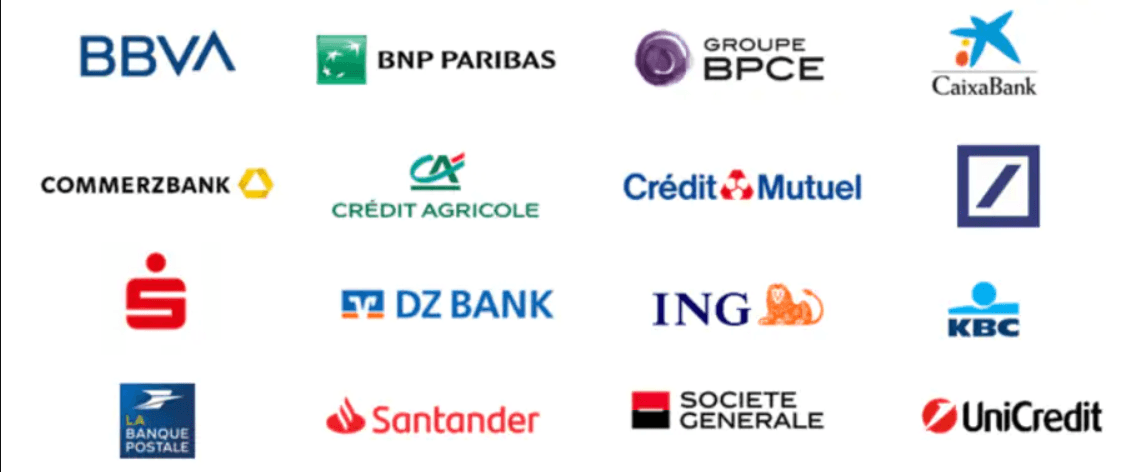
Illustration for the repeal of the regulation on payment institutions and e-money institutions

Payment Institutions & E-Money

Regulation on Payment Institutions and E-Money Institutions Repealed

The new regulation on payment services and e-money issuance, published on 1 December 2021, repealed the 2014 regulation on payment institutions and e-money institutions and the related information systems communiqué. This post summarizes the change and the Article 33 equity requirement.

European Payments Initiative (EPI) overview graphic

Payment System Institutions

What is EPI (European Payments Initiative)?

The European Payments Initiative (EPI), formerly known as PEPSI, is an ECB-backed payment integration initiative aiming to build a pan-European payment system and interbank network to rival Mastercard and Visa. Its founding members include BBVA, BNP Paribas, CaixaBank, Commerzbank and others.

Illustration representing credit card fraud and online payment security risks

Fraud

What is Fraud? What are the Types of Fraud?

With the growth of credit and debit card usage and rising e-commerce transaction volumes, there has been a serious increase in exploiting user negligence to harm customers. Fraud means using someone else's card at a merchant or ATM to gain unjust profit.

Cover page of the CBRT guide linking payment business models to payment service types

Payment Systems

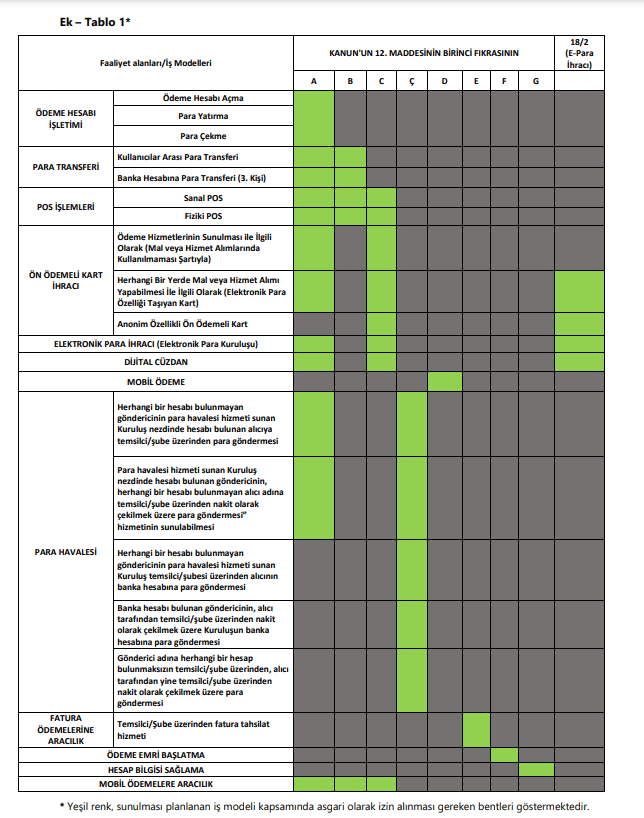
Guide Linking Payment Business Models to Payment Service Types Published

This Guide links business models frequently encountered in the payments field to the payment services listed in Law No. 6493 on Payment and Securities Settlement Systems, Payment Services and Electronic Money Institutions, and aims at uniformity in practice.

Diagram illustrating TCR (Transaction Record Component) packets used in payment clearing and settlement files

Payment Systems

What Is TCR (Transaction Record Component)?

TCR stands for Transaction Record Component, the packets that carry transaction information in a clearing system. Transaction types in a clearing file are distinguished by transaction code and usage code values, and this data is sent inside TCR packets.

MasterCard Identity Check logo and authentication illustration

Security

What is MasterCard Identity Check?

Payment security is very important in payment systems. To increase security, transactions require additional information such as PINs and passwords. Remembering which information to use, and keeping it in mind without forgetting…

ETBİS electronic commerce information system registration

Payment Systems

What Is ETBİS?

ETBİS (Electronic Commerce Information System) is the system launched on 04/12/2017 so that e-commerce businesses are reachable and e-commerce data can be tracked reliably. Businesses must register before starting.

Courier handing a package to a customer for cash-on-delivery payment

Merchant & POS

What Is Cash on Delivery?

Cash on delivery means paying for an online order at the moment of delivery, usually in cash, though some e-commerce sites also accept card payment at the door. It boosts sales and builds trust, but carries risks like missing POS terminals and refused deliveries.

Illustration of customer-based contactless card limit management

Payment Systems

Can a Card's Contactless Limit Be Managed on a Per-Customer Basis?

Contactless payment has greatly improved the user experience, yet its fixed transaction limit is a common complaint. Can this limit be managed dynamically per customer? This post covers the current situation, technical and regulatory requirements and the outlook.