Skip to content

Search

"Card Limits"

231 articles found

Illustration explaining what a non-secure e-commerce card transaction is

Payment Systems

What is a Non-Secure transaction?

A non-secure transaction is an e-commerce transaction approved without any verification before authorization, such as SMS OTP. In short, authorization is obtained by verifying only the card number, expiration date, and CVV2.
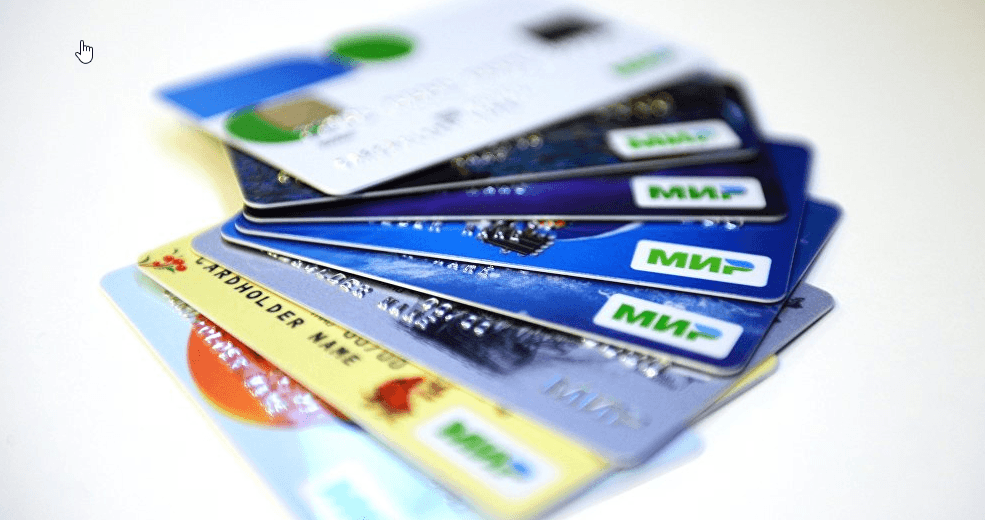
Illustration representing Visa card types used in payment processing

Payment Systems

What is the Card Type Information Used in the Visa System?

Card type information is used in card schemes such as MasterCard, Visa, and TROY. The card types and card type codes used in the Visa system include Credit, Prepaid, Debit, Deferred Debit, and Charge Card.

Diagram showing how offline transactions are relayed from the POS to the card bank

Merchant & POS

How Do Offline Transactions Reach the Card and POS Bank?

In chip transactions made with a credit card via POS, the transaction amount is approved by the card and POS based on parameters on the card and POS, without going to the card bank or POS bank. These are called offline transactions.

Credit card statement document example

Credit Card

What Is a Credit Card Statement?

There are around 65,000,000 credit cards in Turkey. By design, credit cards work by opening a line of credit, allowing spending against that limit, generating a statement based on spending, and having the customer pay the resulting debt.

Diagram of a smartphone using Magnetic Secure Transmission (MST) to emit a signal that mimics a card's magnetic stripe at a POS terminal

Merchant & POS

What is MST (Magnetic Secure Transmission)?

Magnetic Secure Transmission (MST) is a mobile payment technology in which devices such as smartphones emit a signal that mimics the magnetic stripe on a traditional payment card, letting a physical card's POS use be imitated without upgrading terminal software or hardware.

Illustration of an AI-based payment agent making payments automatically on behalf of a user

Payment Systems

What Are AI-Based Payment Agents?

Digitalization keeps changing the speed and shape of payments. AI-based payment agents pay on their own within user-defined limits and rules, completing transactions without the user initiating any action. This post explains how they work and what to watch for.

GET DATA command flow in an EMV transaction

EMV

What is the GET DATA command?

The GET DATA command is used to retrieve a primitive data object that is not encapsulated in a record within the current application. It is used to retrieve certain primitive data objects interpreted by the application on the ICC.

Screenshot of an Address Verification Service (AVS) response code table

Merchant & POS

What is Address Verification Service (AVS)?

Address Verification Service (AVS) is a fraud prevention system that helps limit fraud and chargebacks when used effectively. It verifies that the address a customer enters matches the cardholder's address on file with the issuer.

Diagram showing the structure of the ISO 8583 F54 Additional Amounts field

ISO 8583

ISO 8583 Field Descriptions (F54)

F54 - ADDITIONAL AMOUNTS is the additional amount field used in transactions. It can take different values depending on the transaction, such as carrying account balance information for balance inquiries.

QR code payment being scanned with a smartphone at a point of sale

Laws & Regulations

The 'TR QR Code' Era in Payment Systems

The Regulation on the Generation and Use of TR QR Code in Payment Systems sets the standards for QR codes in payment services. The Central Bank has taken the first step by drafting rules for a common QR code structure.