The regulation on generating and using TR QR Code in payment services was published in the Official Gazette No. 31220 on August 21, 2020.
The purpose of the Regulation on Generating and Using TR QR Code in Payment Systems is to set the standards for generating and using TR QR Code in payment services.
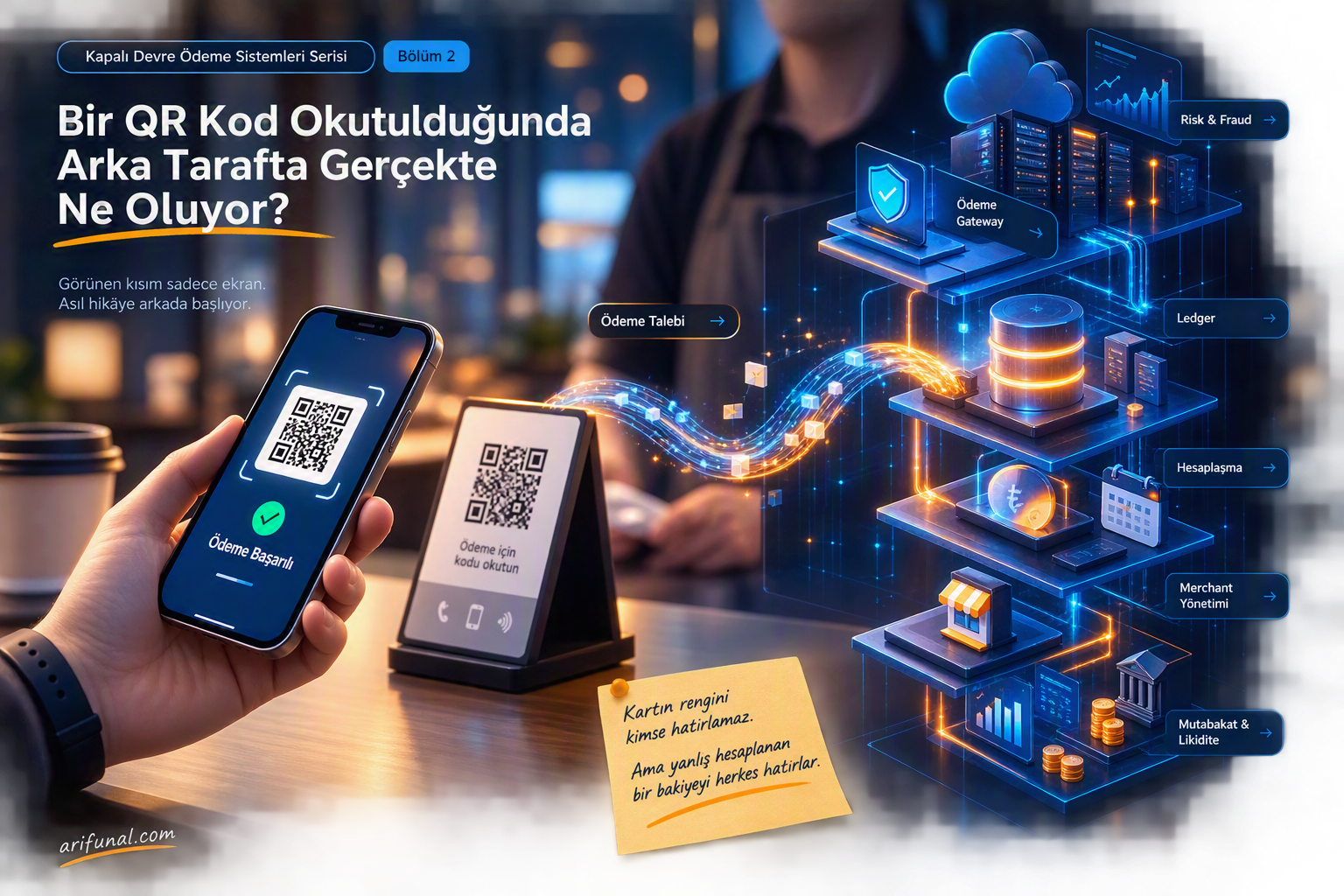
The Central Bank took the first step in setting the rules of ‘TR QR Code’, which will help spread the use of QR codes in payments. With the draft prepared, the aim is to create a standard QR code structure and a common structure that everyone can use. TR QR Code aims to further increase cashless payments in daily life.
A new era is beginning for the ‘QR code’ application, which came into intensive use as contactless transactions increased during the pandemic. It will contribute to the goal of using less cash. While these rules aim to make payments easier, businesses, including SMEs, will be encouraged to accept payments by QR code.
According to the draft ‘Regulation on Generating and Using TR QR Code in Payment Services’ prepared by the Central Bank, TR QR Code can be used in every kind of transaction that falls within the scope of payment services and is made using these codes. These codes can be generated, in compliance with the rules, by a payment service provider holding a QR Code Generator Code. The Central Bank will be able to set an upper limit on the payment transactions that can be carried out. Where necessary, a QR Code Routing System will be established by the Interbank Card Center to transfer the information contained in the code between payment service providers.
The usage models of the QR code to be created have also begun to be defined in the draft document containing the principles and rules. Supporting a wide variety of payment services such as e-commerce, in-store payments and bill payments to institutions, this method is divided into two according to its content and reusability.
Static QR codes are codes whose content is fixed and that can be used in more than one transaction. They are generally preferred by small businesses and vendors (such as simit sellers, florists and kiosks). Customers will be able to pay by scanning, through mobile applications, the QR code that contains the merchant’s account details.
Dynamic QR codes, on the other hand, are codes generated specifically for the transaction in question and serve a single use.
The details of the regulation on generating and using TR QR Code in payment services can be accessed via the link below.
https://www.resmigazete.gov.tr/eskiler/2020/08/20200821-4.htm