Skip to content

Search

"Transaction Code"

217 articles found

Diagram of symmetric key types used in payment systems

HSM & Security

Types of Symmetric Keys

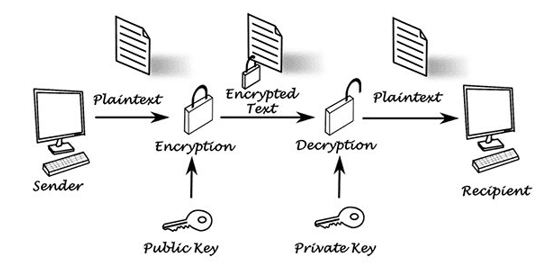
In the world of payment systems, keys and their uses are important for transferring information from one place to another, storing information, and securing authorization and scripting steps. Key types are divided into six categories based on their purpose.

Illustration of personal data protection under the Turkish Personal Data Protection Law (KVKK)

Merchant & POS

What is the Personal Data Protection Law (KVKK)?

The Personal Data Protection Law was adopted by the Grand National Assembly of Turkey on 24/03/2016 and published in Official Gazette No. 29677 on 07/04/2016. It protects individuals' rights in the processing of personal data and sets the rules that data controllers must follow.

Cover of the Visa Merchant Data Standards Manual document

Merchant & POS

What Is the “Merchant Data Standards Manual”? How Can I Access It?

Visa's Merchant Data Standards Manual covers classification, identification and data standard requirements for merchants, payment facilitators and marketplaces, including merchant naming, location and MCC rules. Here is what it contains and where to find it.

Embossed debit card with raised card number and cardholder name

Debit Card

What is an embossed debit card?

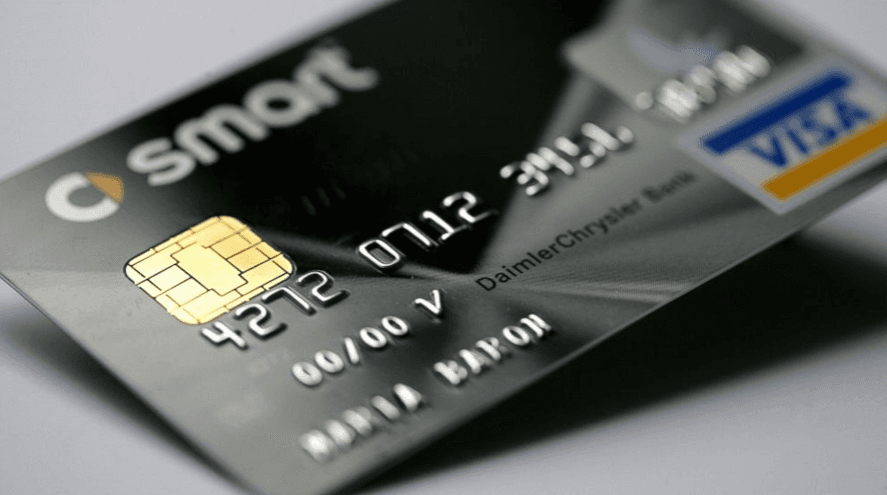
The main difference between embossed debit cards and standard debit cards is that the card number, cardholder name, and expiration date are printed in raised, embossed format rather than flat.

Diagram showing the Terminal Authentication Key (TAK) concept

HSM & Security

What is TAK (Terminal Authentication Key)?

TAK stands for Terminal Authentication Key. It is the data encryption key used to generate and verify a Message Authentication Code (MAC) for data communication between a terminal and the acquirer within a local network.

Illustration of the compliance process between merchant bank and issuer in card payments

Chargeback

What Is Compliance (Regulatory Compliance)?

Compliance means adherence to card scheme rules. Outside chargebacks, it is how a bank that loses money because card payment organization rules were broken recovers that amount from the party that caused the loss.

Illustration of a Know Your Customer (KYC) identity verification process

Payment Systems

What is KYC (Know Your Customer)?

Know Your Customer, in short, means identifying your customer. The process by which institutions identify their customers and determine their suitability for a business relationship and the risks they may pose is called KYC.

Diagram showing the structure of the ISO 8583 F54 Additional Amounts field

ISO 8583

ISO 8583 Field Descriptions (F54)

F54 - ADDITIONAL AMOUNTS is the additional amount field used in transactions. It can take different values depending on the transaction, such as carrying account balance information for balance inquiries.

Illustration representing the products and services KKB offers directly to its member institutions

Credit Card

What Products and Services Does KKB Offer Directly to Members?

KKB was established, under banking law, to enable the exchange of all kinds of information and documents among at least five banks, and it also shares credit information about customers. The Credit Bureau of Turkey also serves deposit banks, participation banks, financial institutions, and more.