
ISO 8583
ISO 8583 Field Descriptions (F54)
F54 - ADDITIONAL AMOUNTS is the additional amount field used in transactions. It can take different values depending on the transaction, such as carrying account balance information for balance inquiries.
Search
200 articles found
ISO 8583
F54 - ADDITIONAL AMOUNTS is the additional amount field used in transactions. It can take different values depending on the transaction, such as carrying account balance information for balance inquiries.
ISO 8583
F37 - RETRIEVAL REFERENCE NUMBER: a 12-digit alphanumeric value generated by the Acquirer that initiates the transaction. It must be printed on the POS receipt or ATM slip. RRN is the reference number that allows a transaction to be located.

Merchant & POS
The answer depends on the type of POS terminal. A physical POS (GPRS, Dial-Up, IP, or cash-register POS) requires working with a bank. A virtual POS can also be obtained from a payment institution without a separate bank agreement.

Credit Card
As credit cards become more and more a part of our lives, we now make almost all our purchases without cash. We inserted our card into the merchant's POS. We made a 100 TRY sale transaction. We received a receipt confirming it was successful.

Payment Systems
Let's talk about payment systems, which we have heard more about since the internet entered our lives, and the basic structures behind them. The first credit card in the world was used in America in the 1920s.
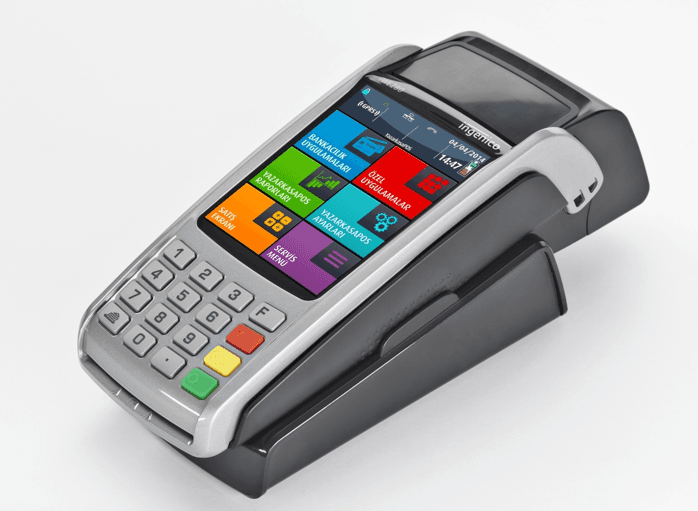
Merchant & POS
This can occur at companies selling products from different sectors. For example, you enter a shopping mall and buy a refrigerator for 3000 TL, a dishwasher for 2000 TL, and an iron for 1000 TL, each under a different installment campaign.

Merchant & POS
Developed by BKM and made available to banks, OPYS centrally supports setting up multi-application POS terminals shared by multiple members, inviting other members, adding or removing them, and managing field company relationships.

Merchant & POS
In the world of payment systems, both the issuer (the cardholder's bank) and the acquirer (the POS/ATM bank) must follow certain rules for card transactions made through a POS terminal or an ATM. Responding to transactions within a certain time is one of these rules.