Skip to content

Search

"European payments"

20 articles found

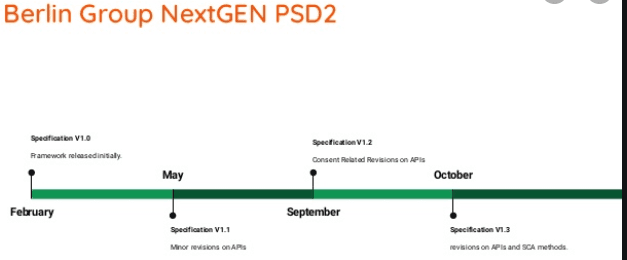
Diagram illustrating the NextGenPSD2 framework for open banking APIs

Open Banking

What Is NextGenPSD2?

NextGenPSD2 is the set of API standards launched by the Berlin Group in 2017, now involving more than 1,700 banks from 20 countries. This post explains what the framework offers to banks, fintechs and third-party providers under PSD2.
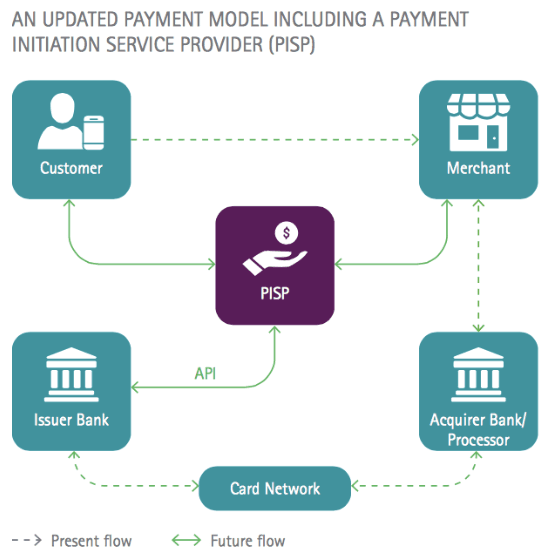
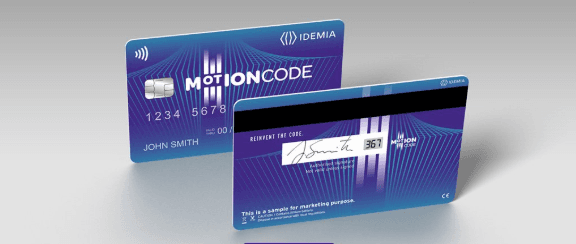
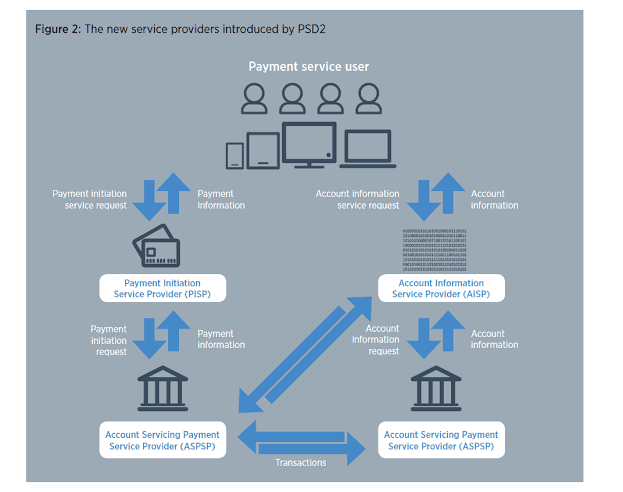
Diagram illustrating how a Payment Initiation Service Provider (PISP) connects a customer's bank account to merchants

Payment Systems

What Is a Payment Initiation Service Provider (PISP)?

A Payment Initiation Service Provider (PISP) can initiate a payment on a customer's behalf, withdrawing funds directly from their account with consent. Norway's Vipps is the most widely used PISP, and more providers are expected as PSD2 expands across Europe.

Deutsche Bank Tarjeta Calma credit card featuring dynamic CVV technology

Credit Card

Deutsche Bank produces a card with a CVV that changes every 4 hours

Germany-based Deutsche Bank is launching a new credit card in Spain with a dynamic CVV code that changes every four hours, to make online shopping more secure. Deutsche Bank partnered with Mastercard and Idemia for the new card, launched under the Tarjeta Calma brand.

Account Information Service Provider concept icon

Payment Systems

What are Account Information Service Providers?

Digital Account Checking underpins many innovative banking and FinTech services. In most cases, it is performed by Account Information Service Providers, which supply data from customers' online bank accounts to other banks and third-party providers.

Virtual currency versus electronic money

Payment Institutions & E-Money

Are Virtual Currency and Electronic Money the Same?

No. Virtual currency is a digital representation of value not issued by any central bank, credit institution or e-money institution. Electronic money is defined in Turkish law and is tied to an electronic money institution.

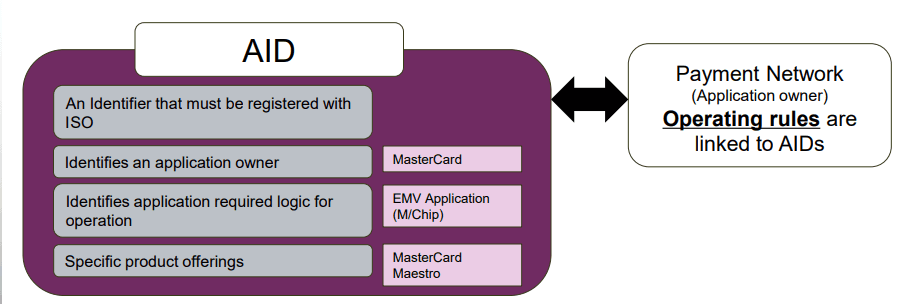
Illustration showing how an Application Identifier (AID) is used in a chip card transaction

EMV

What is an Application Identifier (AID)?

The AID tells the terminal which applications are present on a chip during a POS or ATM transaction. What does the AID do? It lets the terminal determine whether it supports an application on the chip. In Tag 9F06, it is 5-16 digits long.