Skip to content

Search

"MCC"

19 articles found

Diagram illustrating the EMV Tag-Length-Value (TLV) data structure used in card transactions

Online & Authorization

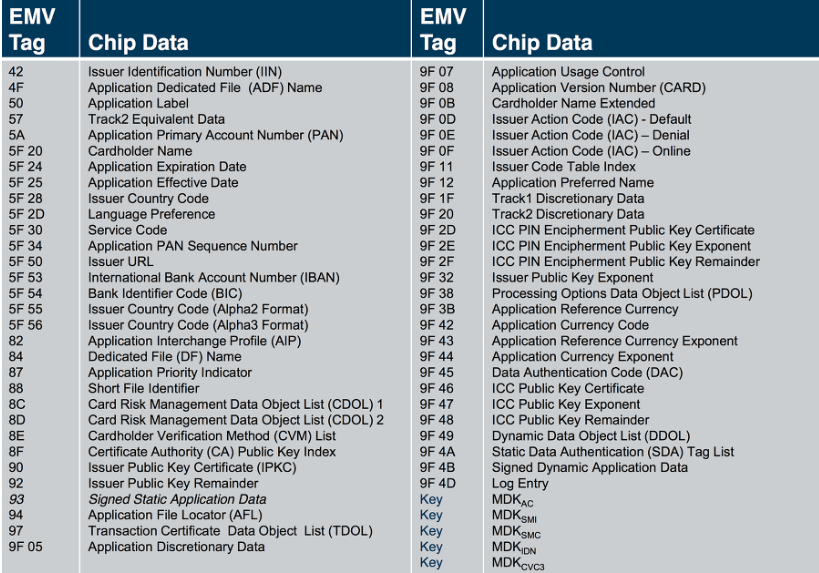
What are EMV Tags?

In EMV, data is stored in Tag-Length-Value (TLV) format, and it is carried between the card, the POS terminal, and the authorization system in this same format. This post lists every EMV Tag, its type, and its description.

Merchant category code (MCC) and POS agreement illustration

Merchant & POS

What Should a Merchant Do When It Changes Its Line of Business?

When signing a merchant agreement, merchants declare their line of business, which banks record as an MCC (Merchant Category Code). A merchant may only sell products or services within the line of business declared to its bank.

Virtual POS payment system diagram for online card transactions

Merchant & POS

What Is Virtual POS?

Virtual POS is the software-based, security-enhanced equivalent of the physical POS devices used for card payments at merchants, designed for online shopping. It is not issued to individual customers, only to sole proprietorships, companies, or foundations and associations.

Diagram showing how card transaction data flows through the ISO 8583 messaging standard

Merchant & POS

What is ISO 8583?

Introduction: When a card (credit card/debit card/prepaid card) is used at an ATM or POS, data must be carried securely between systems. For example, in a store sale, the POS initiates the transaction, which must reach the cardholder's bank intact.

Diagram of basic payment systems terminology including issuer, acquirer, and authorization

Payment Systems

Basic Terms Used in Payment Systems

Although many important terms are used in payment systems, the expressions below are its cornerstones — the ABCs of payment systems, so to speak. Issuer: the credit card company, usually a bank, that issues the card and tracks debt, credit, bonus points, and other services for the customer.

Stand-in authorization flow diagram

Credit Card

What is Stand-In Authorization?

In the standard authorization flow, the transaction is initiated by the acquirer (POS bank) and forwarded to the issuer (card-issuing institution). The process is completed once the issuer responds. However, this isn't always possible; when the issuer fails to respond, BKM steps in...