Skip to content

Search

"Offline PIN"

28 articles found

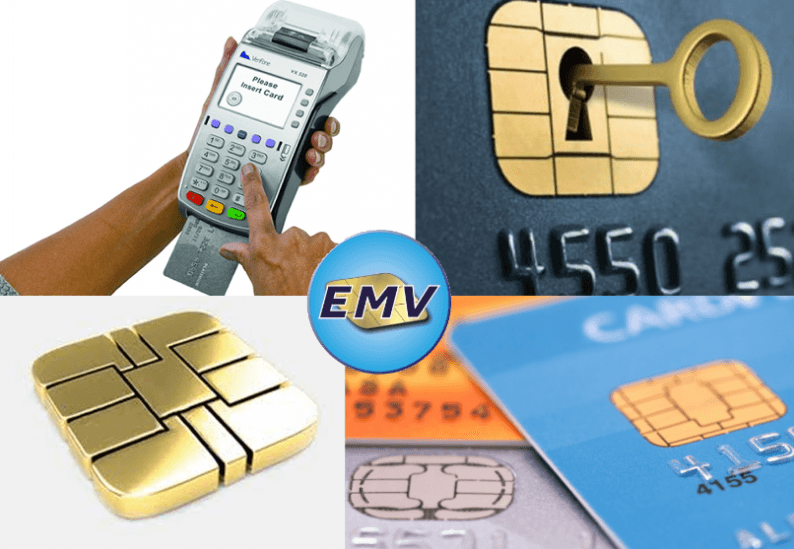
Diagram explaining what an EMV Issuer Script is and how it updates card chip parameters

EMV

What Is an EMV Issuer Script?

An EMV Issuer Script is a system that lets the issuer (the institution that issues the card) update and change the parameters and values on the card chip while it remains in use, reducing fraud over the card's lifetime.
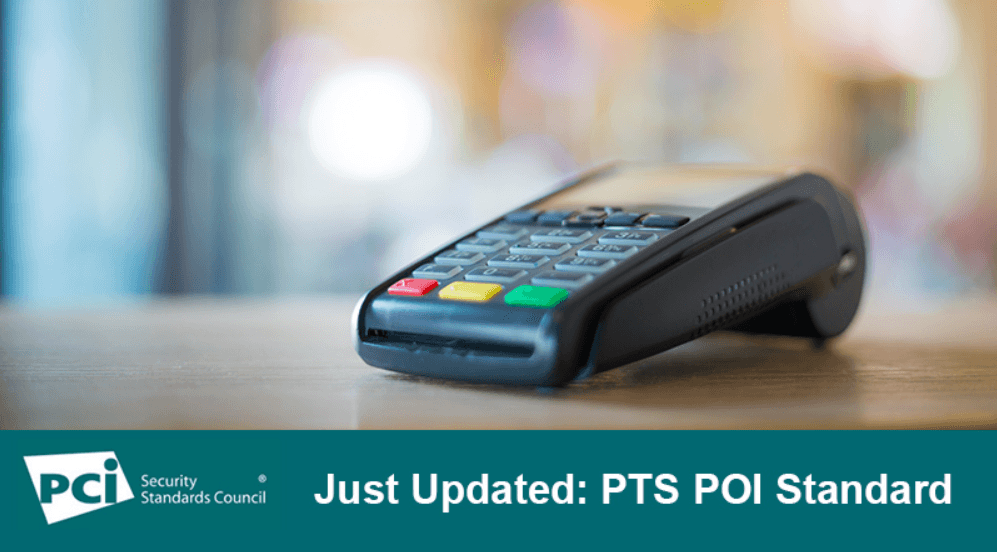
PIN pad device used for PCI PIN Transaction Security compliance

Payment Systems

What is PCI PIN Transaction Security Point of Interaction?

PCI Point of Interaction (POI) was introduced to minimize risk in card transactions. PCI POI Security Requirements cover physical and logical security for both online and offline PIN entry devices (PED) and secure card readers.

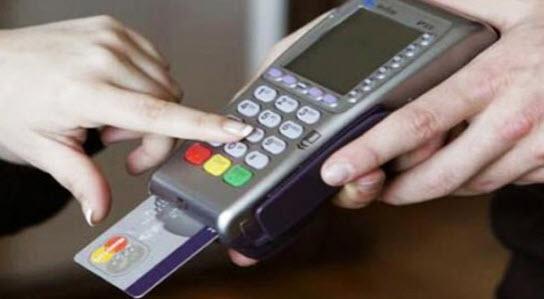
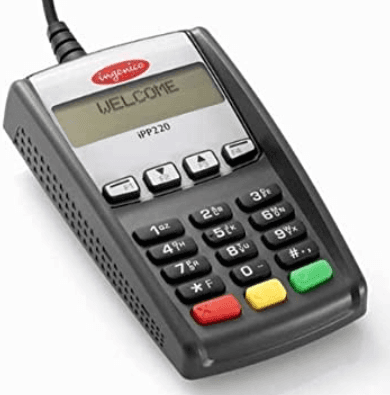
Photo of a Pin Entry Device (PIN pad) used for card payments

Merchant & POS

What is a Pin Entry Device (PED)?

Pin Entry Device is another name for the PIN pad device we all know and use daily. It makes it easier for users to enter their card PIN during POS transactions with credit or debit cards, and is used for contactless card reading...

Contactless payment card being tapped on a POS terminal

Merchant & POS

Can a contact/contactless transaction be processed offline?

An offline transaction is one in which the card and POS terminal approve the transaction based on their own parameters, without contacting their banks. Whether contact or contactless, the device decides whether the transaction is processed offline.

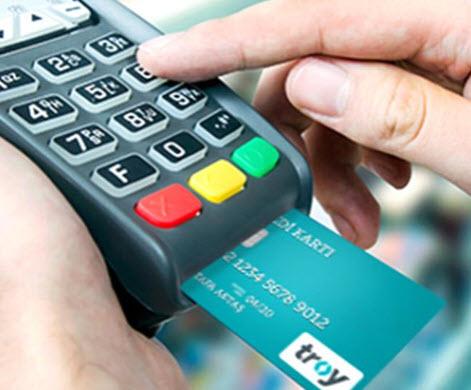
POS terminal processing an EMV chip card transaction

Credit Card

Application Interchange Profile (AIP)

The Application Interchange Profile indicates the application functions supported by the card. The AIP values and their descriptions are given below. Where is the AIP found? The AIP is a 2-byte piece of data stored on the card, carried under EMV tag 82.

Diagram illustrating the EMV Tag-Length-Value (TLV) data structure used in card transactions

Online & Authorization

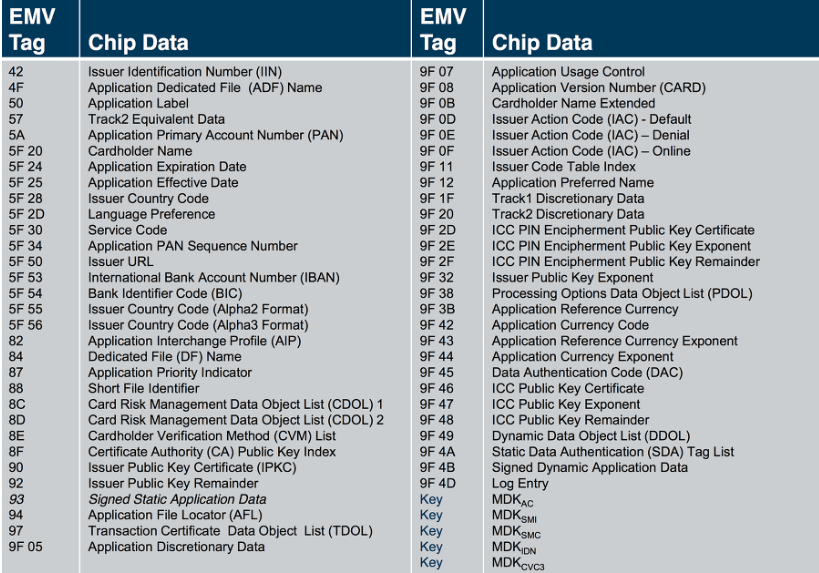
What are EMV Tags?

In EMV, data is stored in Tag-Length-Value (TLV) format, and it is carried between the card, the POS terminal, and the authorization system in this same format. This post lists every EMV Tag, its type, and its description.

Istanbulkart transit and payment card

Credit Card

Istanbulkart: Both Transit Card and Payment Card

When I think back to the Akbil I used when I first arrived in Istanbul, I think it's fair to say that Istanbulkart has undergone a very significant transformation. Users can now track activity, top up and view balances right from their phones.

POS terminal used for EMV card payment processing

Merchant & POS

TVR (Terminal Verification Results)

Terminal Verification Results (TVR): a sequence of bits produced when a terminal reads an EMV card, based on logical checks such as an expired card. This data object is used to decide whether a payment transaction should be accepted online, declined, or allowed to proceed.

Example of a POS transaction receipt (slip)

Merchant & POS

Don't Dismiss the POS Receipt

In daily credit card purchases, the POS produces two receipts: the Customer Copy and the Merchant Copy. The cardholder gets the customer copy; the merchant keeps its own copy by law.

Illustration of contactless payment transaction limits

Merchant & POS

What Are the Limits Used in Contactless Transactions?

Current information: This article describes the limit as of its publication date. For the current contactless (no-PIN) transaction limit, see the linked article. The introduction of contactless transactions brought new concepts and structures.