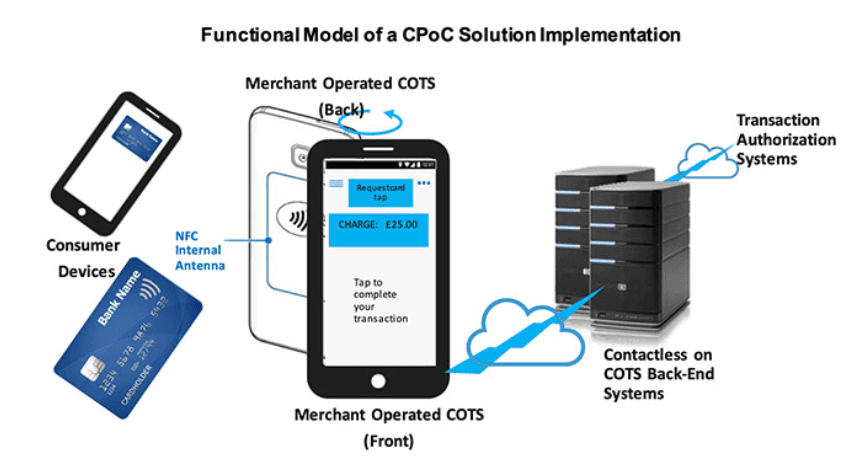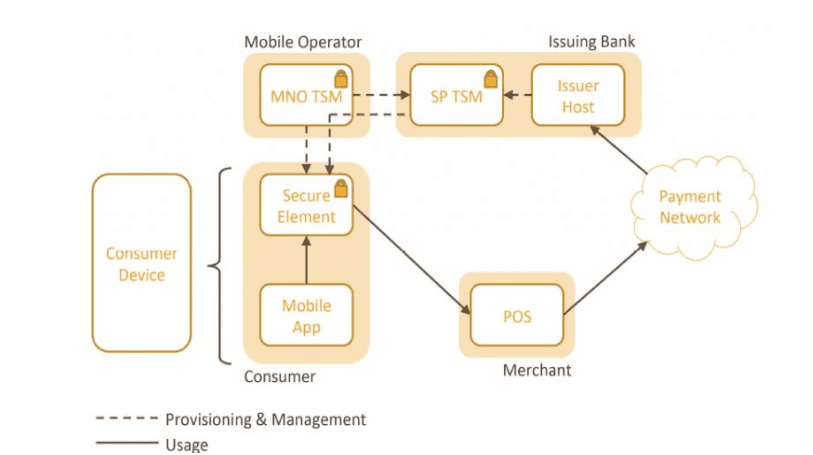
Some of the basic offline transaction rules applied in HCE transactions are as follows:
- The 90.00 TL CVM limit applied in contactless transactions is also valid for HCE transactions.
- For transactions below the CVM limit, payment can be made without CVM while the device is in standby mode. (Assuming the application has not specifically been coded to prevent transactions while in standby mode)
- For transactions above the CVM limit, payment can be made with CVM by entering the card PIN.
Current limits
The 90 TL CVM limit mentioned in this article is the value that was valid at the time the article was published. CVM limits for contactless transactions have been updated many times over the years. For current limits, announcements from banks and BKM should be followed.
Cardholder verification for payments made by phone
For contactless payments made by phone, cardholder verification can be carried out using methods different from those used with a physical card. Unlocking the phone's screen using a fingerprint or face recognition can also be accepted as cardholder verification. This method is called consumer device cardholder verification (CDCVM). In this case, PIN entry on the POS may not be required even for transactions above the CVM limit.
Single-use keys in offline transactions
HCE applications store single-use keys on the phone in order to be able to carry out a limited number of transactions without an internet connection. Once the keys are used up, the application needs to connect to the internet to obtain new keys. This way, even if the phone remains offline for a long time, the number of transactions that can be made stays limited.
Payment in standby mode
Whether payment is allowed while the phone is locked depends on the bank's application and risk preferences. Some applications allow payment on the lock screen for low-value transactions, while others require the phone to be unlocked for every transaction.