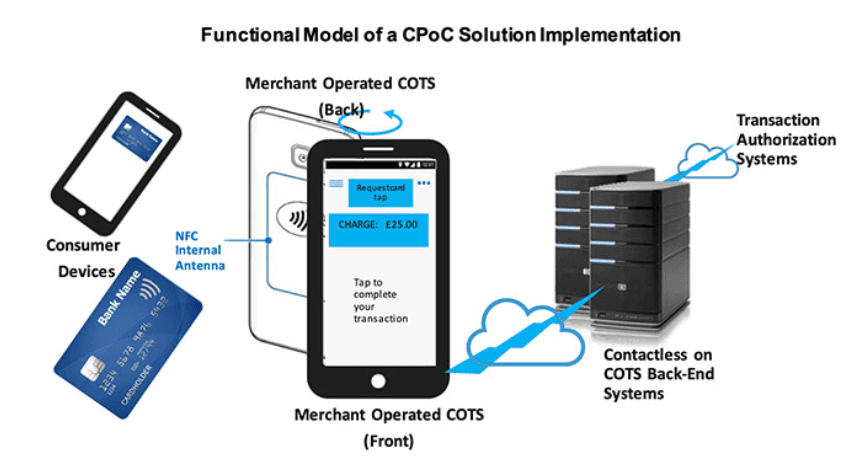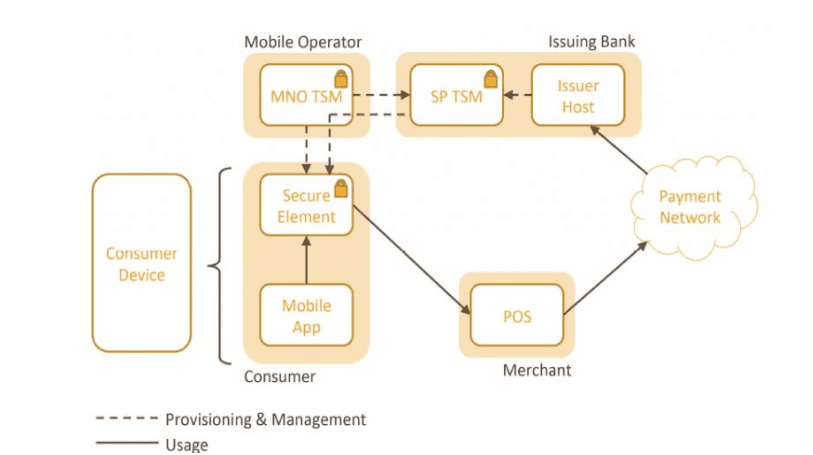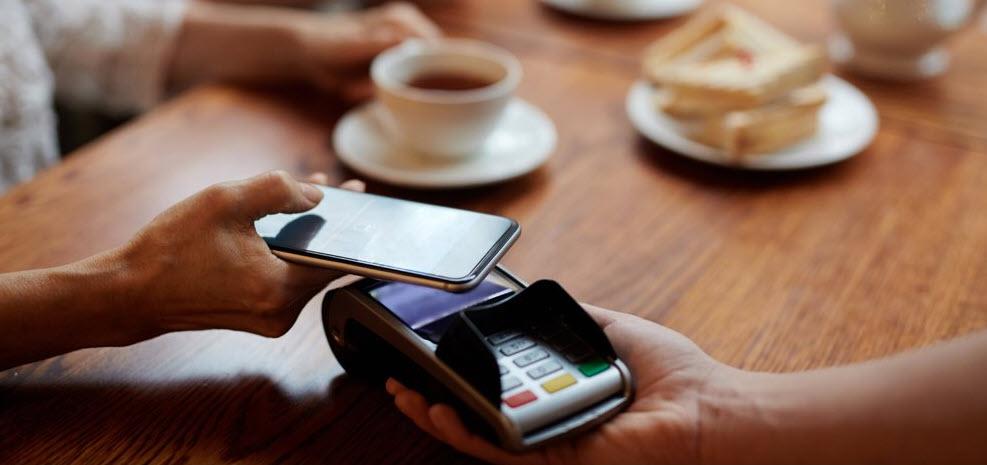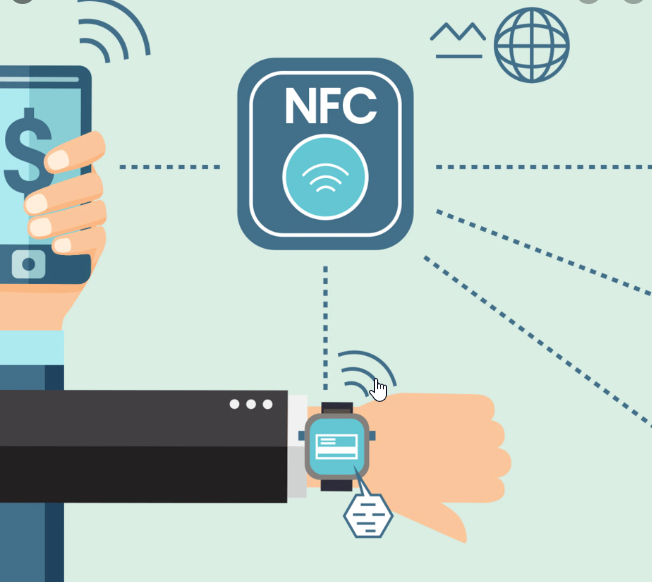
Known in English as Near Field Communication, NFC is a technology that enables data to be transferred wirelessly between devices over a distance of less than 10 cm. NFC is used for practical purposes such as data transfer and device pairing, and it also forms the basis of contactless payments. When a contactless-enabled chip credit card is brought close to a POS device with NFC reading capability, the information is transferred to the device and the payment is completed.
NFC uses a dedicated RFID radio frequency (13.56 MHz) that only works when the NFC chips are very close to each other. When NFC-enabled devices are brought close together and activated, the NFC chips exchange encrypted data to complete a payment. For this transfer to take place, the devices involved must have NFC chips and antennas. The wireless or "contactless" connection between two devices uses radio waves similar to the radio frequency identification (RFID) tags used in wireless tracking applications.
NFC technology is used in payments where the mobile phone is physically present in the same location as a POS device. For the customer to complete the payment, it is enough to bring a mobile phone with NFC support close to the reader module. For transactions under 250 TL (since the contactless transaction limit is 250 TL), the transaction can be completed without entering a PIN.
Because NFC payments allow users to make payments easily, quickly, and securely, they have become a payment method that is highly preferred by users. Apple Pay and Google Pay are examples of NFC-based payments.