Skip to content

Search

"PIN Change"

44 articles found

Illustration explaining the concept of the first online transaction after a card PIN change

Merchant & POS

What Does First Online Transaction Mean?

In payment systems, an online transaction means the transaction is sent to the card or POS/ATM bank at the moment it occurs, and required checks are obtained from that system. So does every transaction happen online? Of course not. Especially with contactless...
GET DATA command flow in an EMV transaction

EMV

What is the GET DATA command?

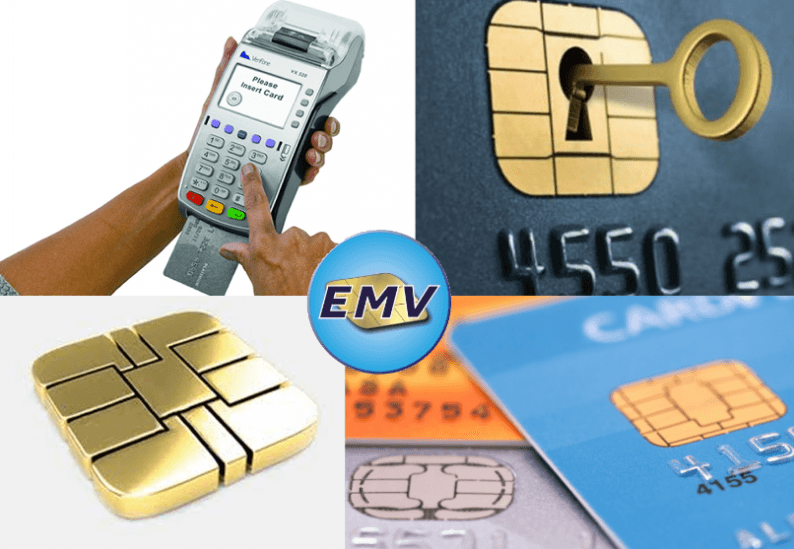
The GET DATA command is used to retrieve a primitive data object that is not encapsulated in a record within the current application. It is used to retrieve certain primitive data objects interpreted by the application on the ICC.

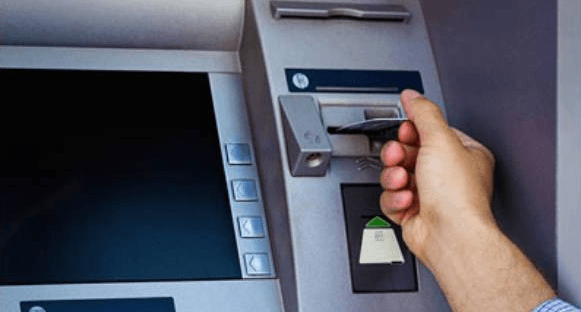
ATM card reader unit

ATM

What are an ATM's Input and Output Units?

The units that let an ATM receive data are called Input Units, and the units that display data are called Output Units. Learn about the card reader, keypad, speaker, display, receipt printer, and cash dispenser.

Illustration representing the PIN Verification Key (PVK) concept in HSM security

Credit Card

What is PVK (Pin Verification Key)?

PVK (Pin Verification Key) is a key held on the HSM, used in PIN generation and verification, and therefore to confirm that a PIN is correct. On a shared network it is encrypted under TMK or ZMK; on a local network it is encrypted under one of the LMK pairs.

Contactless payment limit raised to 350 TL

Contactless

Contactless Transaction Limit Raised to 350 TL

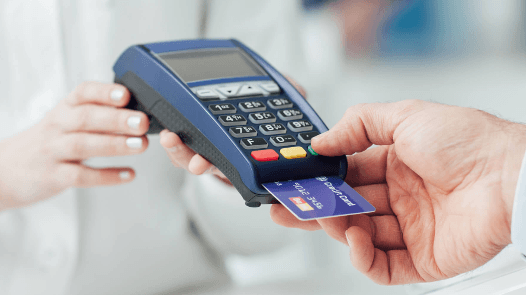
The no-PIN limit for contactless payments has been raised from 250 TL to 350 TL. Contactless payments up to 350 TL can be made without a PIN; above that, they are made contactless with a PIN.

Announcement graphic showing the contactless card transaction limit being raised to 500 TL

Credit Card

Contactless transaction limit rising to 500 TL

The BRSA has decided to raise the contactless card transaction limit to 500 TL, effective 1 February. This post explains the change, how PIN entry works above the limit, and how the limit has evolved since 2019.

Contactless card payment at a POS terminal illustrating the 750 TL contactless limit

Payment Systems

Contactless Transaction Limit Raised to 750 TL

Current information: this post describes the limit at the time of publication. The BRSA raised the contactless card transaction limit to 750 TL, effective 1 July. Above the limit, contactless payments need a PIN. The post also traces the limit's history.

Illustration of a Zone PIN Key (ZPK) protecting PIN data in a payment network

HSM & Security

What is ZPK (Zone PIN Key)?

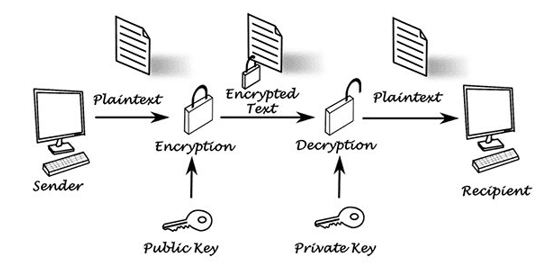
ZPK, also known as the PIN Protection Key, is a data encryption key that is distributed automatically and used to encrypt PINs. It is also referred to as the 'Working Key'. This key allows PIN information to be carried securely across the network.

Contactless card payment at a POS terminal after the limit increase to 250 TL

Merchant & POS

Contactless transaction limit raised to 250 TL

Current information: this article describes the limit in force at the time of publication. To reduce the risk of the coronavirus (Covid-19) spreading, the contactless transaction limit on credit and debit cards was raised to 250 lira.

Diagram of PIN Encryption Key (PEK) structure

HSM & Security

What is PEK (Pin Encryption Key)?

PEK is the abbreviation for Pin Encryption Key. The role of PEK is to encrypt PINs. There are two types of PEK: TPK (Terminal Pin Key) and ZWK (Zone Working Key).

Contactless card payment at an overseas POS terminal that prompts for a PIN after a limit is exceeded

Payment Systems

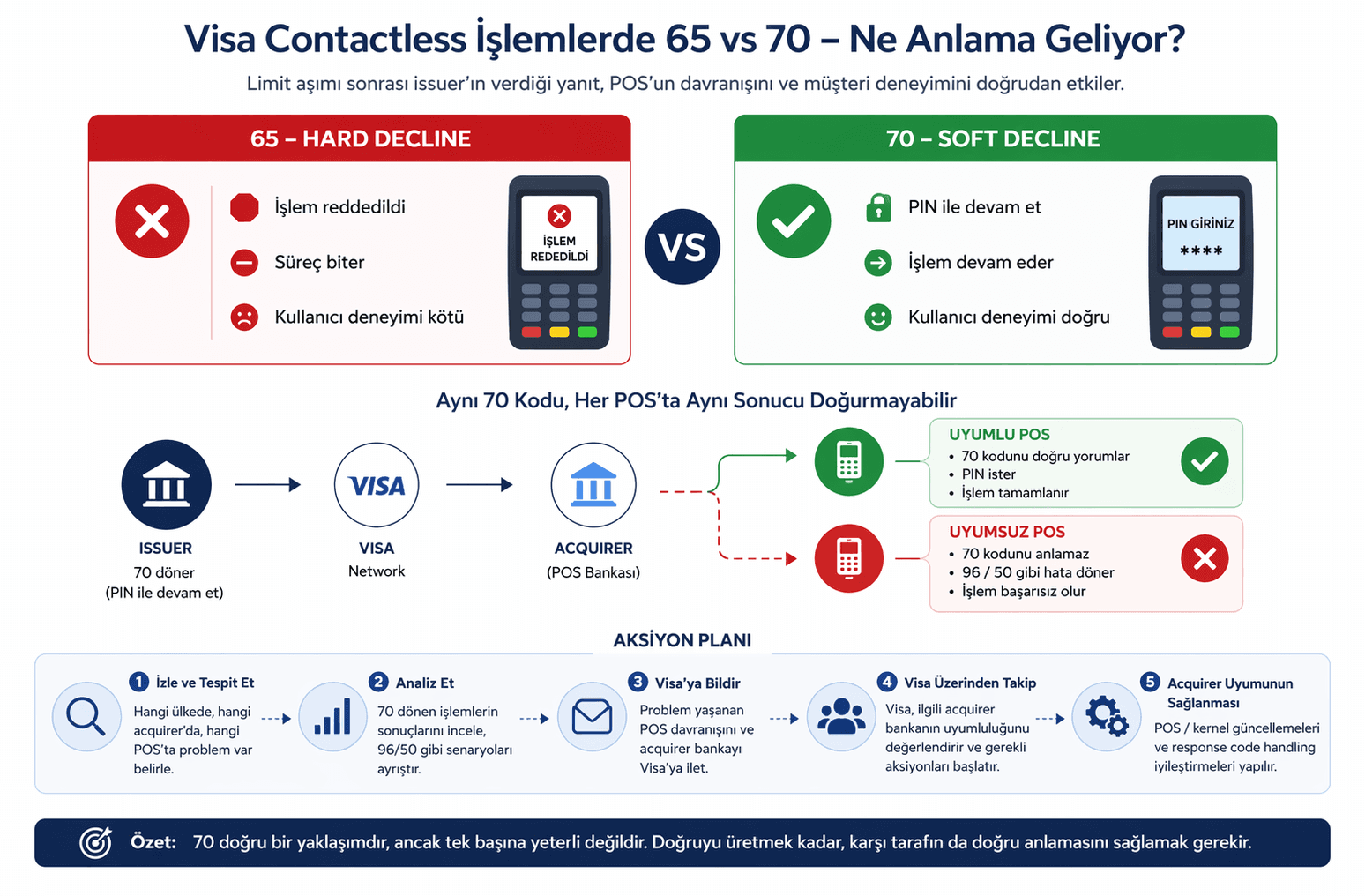
Visa Overseas Contactless Transactions – After Code 70 (Part 2)

After switching to response code 70 for contactless limit-exceeded cases, we found that some overseas POS devices and acquirers did not handle it as expected. This post covers why the problem lies in the ecosystem and how to address it.

Diagram of symmetric key types used in payment systems

HSM & Security

Types of Symmetric Keys

In the world of payment systems, keys and their uses are important for transferring information from one place to another, storing information, and securing authorization and scripting steps. Key types are divided into six categories based on their purpose.