
EMV
What Is Pin Change/Unblock?
The Pin Change/Unblock command is used after card issuance to let the issuer remove a card's PIN block, or instantly change the reference PIN and remove its block, as well.
Search
44 articles found
EMV
The Pin Change/Unblock command is used after card issuance to let the issuer remove a card's PIN block, or instantly change the reference PIN and remove its block, as well.
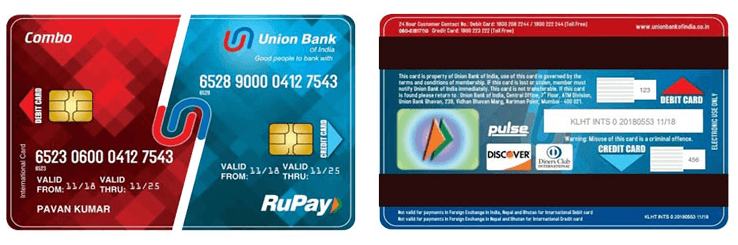
Credit Card
A look at the Union Bank RuPay combo card, an unusual design with two chips, two card numbers, two CVV2 values, two magnetic stripes, and two payment schemes combining credit and debit card functions.

Credit Card
PVKI is the abbreviation for PIN Verification Key Index. It is located within the card's Track 1 and Track 2 data and is used in PVV calculation. It can take values from 1 to 6, usually defaulting to 1.

EMV
An EMV Issuer Script is a system that lets the issuer (the institution that issues the card) update and change the parameters and values on the card chip while it remains in use, reducing fraud over the card's lifetime.

Credit Card
Issuer Script Results is the field that shows the results of the Issuer Script commands sent to the card. This post explains its byte and bit values, what an issuer script is, why the results matter, and what happens when a command fails.

Credit Card
Card copying usually happens with magnetic stripe debit cards. As soon as you notice your card details have been copied, you can close the card, renew it or change its PIN.

Credit Card
A credit card is one of the most important payment tools in our lives, which is why keeping it secure is extremely important. So how do we secure a credit card? The most important security measure is the card PIN.
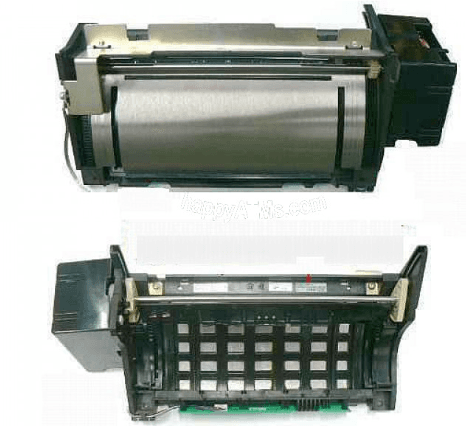
ATM
The shutter can be described as the gate mechanism that prevents financial loss during ATM cash deposit and withdrawal transactions by controlling customer access to cash and preventing tampering with the ATM system.
Online & Authorization
In payment systems, the result of a transaction is sent in the F39 field. The F39 value is the code indicating the transaction's approval or decline status. It is a 2-character alphanumeric code. When approved, the value is usually 00.
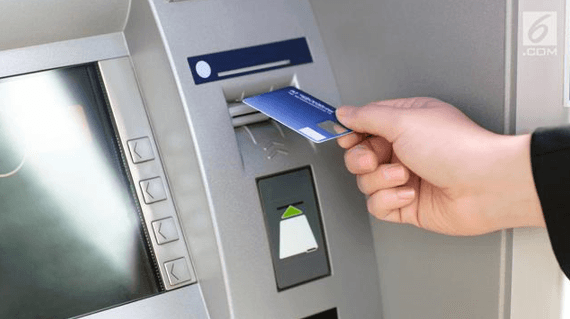
ATM
Moving branch transactions to channels such as ATMs, internet banking and mobile banking lowers banking costs, so almost every transaction can now be done through them. Here is what ATMs offer.

ISO 8583
F39 - RESPONSE CODE: This is the code showing whether the transaction was approved or declined. It is 2-digit alphanumeric. Typically 00 is sent when approved, and a decline reason code is sent when declined.

HSM & Security
ZWK stands for Zone Working Key. It encrypts the PIN so that it can travel securely between different financial institutions, such as the acquiring bank and the issuing bank.