Skip to content

Search

"POS certification"

28 articles found

Ingenico POS terminal illustrating POS brand and model

Merchant & POS

What does POS brand and model mean?

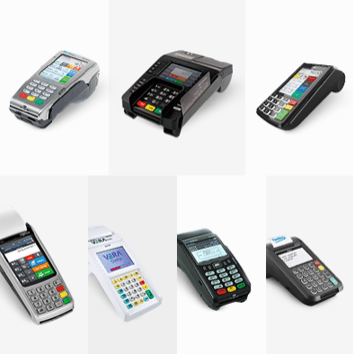
Just like a car, a POS device has a brand and a model, for example Ingenico ICT220 or Ingenico ICT250. Each model differs from the others: some have a contactless reader while others may not, and screens, memory and features vary.


Virtual POS online card payment illustration

Merchant & POS

What Are the Benefits of a Virtual POS for Merchants?

A virtual POS is a payment platform that enables online payments by credit or debit card. Banks also give merchants interfaces for mail order, pre-authorization, cancellations and refunds.

Illustration representing the BKM Payment Gateway

Payment Systems

What is the BKM Payment Gateway?

BKM Payment Gateway is the general name for platforms that let government institutions accept card payments through BKM as intermediary. For the first time, SGK and e-Government title deed payments can be made with all banking cards.

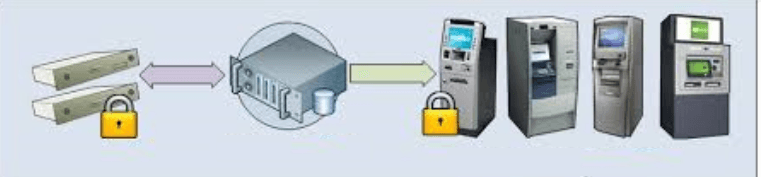
Diagram illustrating the Remote Key Loading (RKL) process

ATM

What Is RKL (Remote Key Loading)?

RKL is the process of distributing a TMK (Terminal Master Key) to each terminal from a central point. It is used to remotely load keys onto POS and ATM devices, loading TMKs onto an ATM's keypad or activating them on a POS.

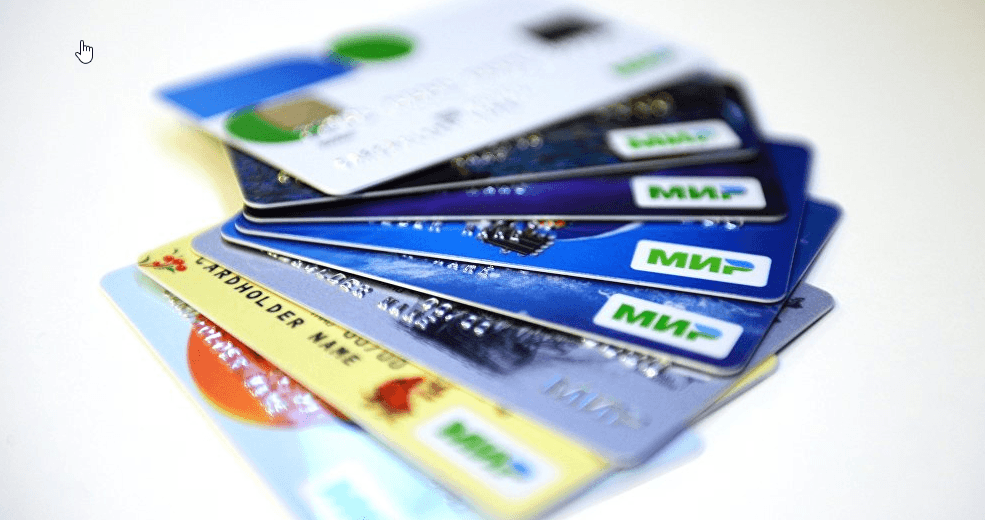
Illustration representing the Mir payment card scheme

Merchant & POS

2 Turkish Banks Agreed to Accept the Mir Payment System

In Turkey, there are 3 payment schemes we are used to seeing: MasterCard, Visa, and Troy. American Express and Diners Club are also used, though less widely. Russia's Central Bank recently said two Turkish banks are preparing to accept Mir cards.

Diagram of the components that make up an HCE transaction token

HCE

What components make up an HCE Token (Transaction Token)?

The token used in HCE transactions contains more than just a new number derived from the card number. It also includes single-use keys, an expiration date, RSA keys and certificates, transaction limits, and an Application Transaction Counter (ATC).

Payment card being swiped on a tampered POS device in a credit card fraud scheme

Credit Card

A New Method in Credit Card Fraud!!

Credit card fraud keeps changing form, but the aim is always to trick the cardholder into giving up card details. Fraudsters posing as delivery couriers now copy cards on modified POS devices. Here is how the scam works and how to protect yourself.

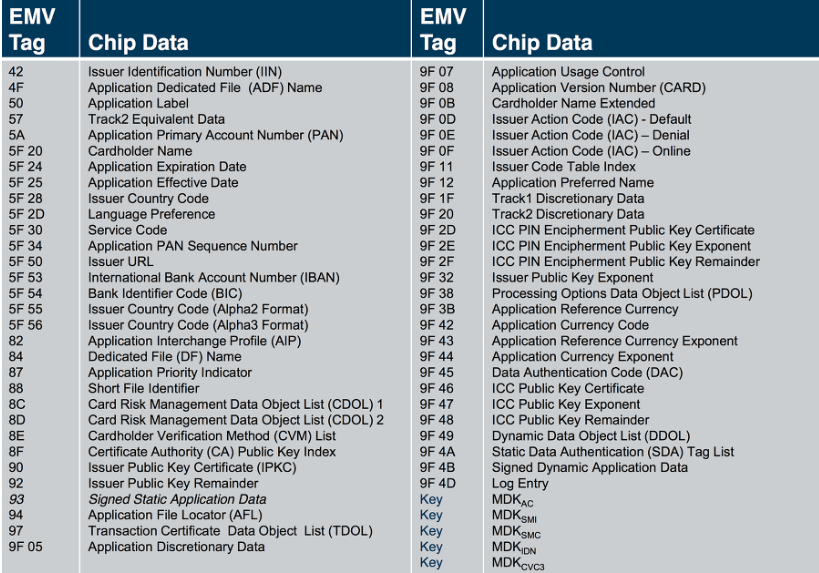
Diagram illustrating the EMV Tag-Length-Value (TLV) data structure used in card transactions

Online & Authorization

What are EMV Tags?

In EMV, data is stored in Tag-Length-Value (TLV) format, and it is carried between the card, the POS terminal, and the authorization system in this same format. This post lists every EMV Tag, its type, and its description.

Illustration representing PIN Transaction Security (PTS) certified payment devices

Merchant & POS

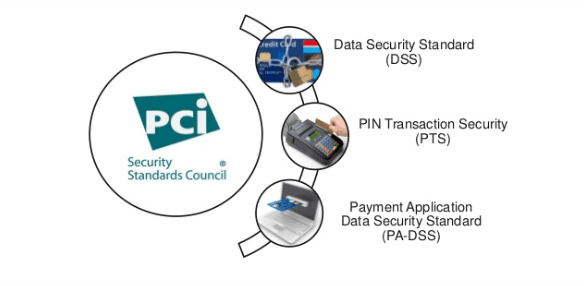
What is PIN Transaction Security (PTS)?

PIN Transaction Security (PTS) verifies that card data and PIN information are used for a payment transaction. It is a set of modular evaluation requirements managed by the PCI Security Standards Council for PIN-accepting terminals.

Diagram of the chargeback process between cardholder, issuer and acquirer

Chargeback

How to Reduce Chargebacks (For Cardholders)

A chargeback is when a cardholder asks the issuing bank to refund a transaction made without their knowledge. It cannot be prevented entirely, but simple precautions can minimize the risk. Here is how the process works and what cardholders should do.

Diagram illustrating how a contactless offline transaction is processed

Merchant & POS

Can a Contactless Offline Transaction Occur?

A contactless offline transaction can occur. If the amount is lower than the floor limit defined on the POS and the card also allows offline authorization, the transaction can be completed offline. Offline transactions are periodically sent by the POS to the acquiring bank.

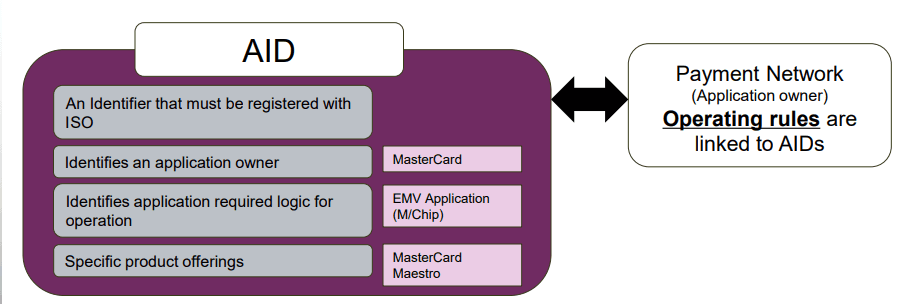
Illustration showing how an Application Identifier (AID) is used in a chip card transaction

EMV

What is an Application Identifier (AID)?

The AID tells the terminal which applications are present on a chip during a POS or ATM transaction. What does the AID do? It lets the terminal determine whether it supports an application on the chip. In Tag 9F06, it is 5-16 digits long.