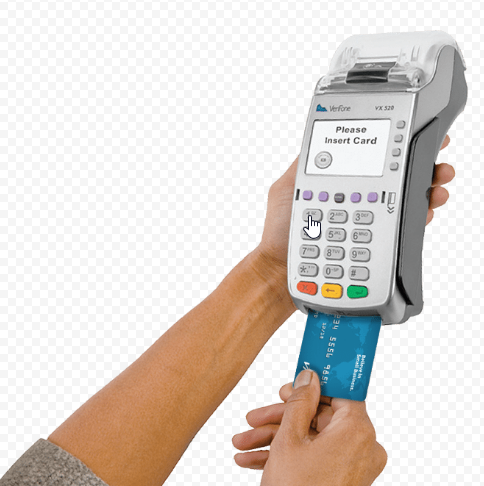
A contactless offline transaction can occur. If the transaction amount is lower than the floor limit defined on the POS and the card also allows offline authorization, the transaction can be completed offline.
Transactions completed offline are periodically forwarded by the POS device to the POS's acquiring bank.
If the card issuer and the POS's acquiring bank are the same institution, the credit card limit is updated as soon as the offline transaction sent by the POS reaches the acquiring bank, since it reaches the issuer at the same moment.
If the card issuer and the POS's acquiring bank are different institutions, offline transactions are sent to the card issuer via a clearing file. The credit card limit is updated once the clearing file is uploaded.
How is the offline decision made?
In a contactless EMV transaction, the offline approval decision is not left to the terminal alone — the card also takes part in this decision. After performing its risk checks, the terminal makes a recommendation to the card. Based on its own internal rules, the card returns one of three responses:
- TC (Transaction Certificate): The transaction was approved offline.
- AAC (Application Authentication Cryptogram): The transaction was declined offline.
- ARQC (Authorization Request Cryptogram): The transaction requires bank approval and must go online.
In other words, even if the terminal recommends offline approval, the card can still request online approval. If the card's offline transaction counter has reached its limit, or if the issuer has personalized the card to always operate online, the transaction will not be completed offline.
The risk of offline transactions
In an offline-approved transaction, the bank cannot check the card's limit or its lost/stolen status at the moment of the transaction. For this reason, a small-value transaction could be made with a card that has reached its limit or with a blocked card. This risk is limited by floor limit values and by the consecutive offline transaction limits set on the card.
Practice in Turkey
Since most banks in Turkey consider offline transactions risky, they set the floor limit value on POS terminals to 0. In this case, all contactless transactions are processed online. Offline transactions tend to come up mainly in environments with limited connectivity or in areas such as transportation, where transaction speed is critical.



