Skip to content

Search

"business banking"

132 articles found

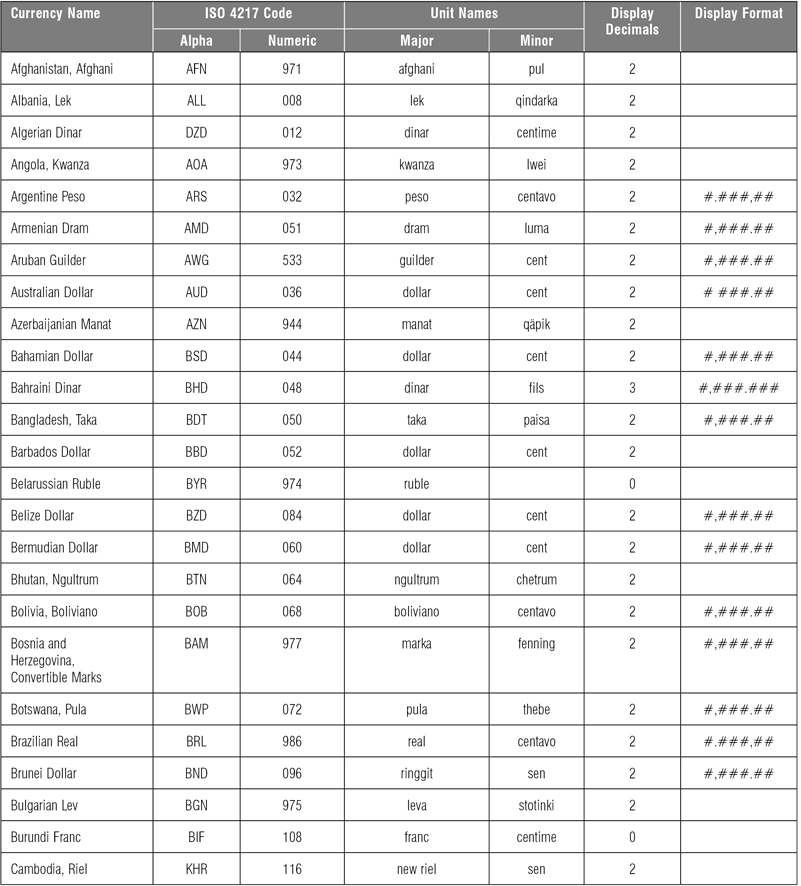
Table listing ISO 4217 currency codes, numeric codes, and minor units for countries worldwide

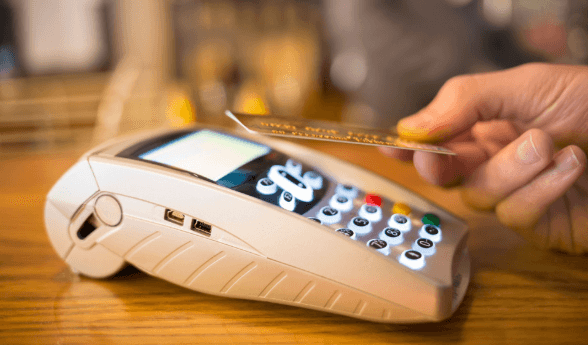
ATM

What is ISO 4217?

ISO 4217, also known as the currency code standard, defines the three-letter abbreviations assigned to currencies. The ISO 4217 code list is used extensively in banking and business. In some countries, exchange offices rely on these codes alone.

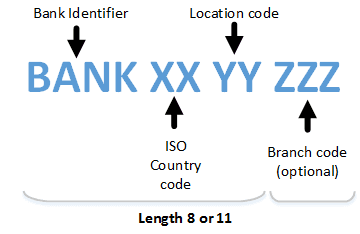
Diagram illustrating the structure of a Bank Identifier Code (BIC)

EMV

What is a Bank Identifier Code (BIC)?

BIC stands for Bank Identifier Code. It is the universal bank identification code used for automated processing in banking and related financial environments, identifying banks as specified by the ISO 9362 standard.

Brick and mortar bank branch illustration

Payment Systems

What Is a Brick and Mortar Bank?

“Brick and mortar” refers to a business's physical presence in a building. In banking, it describes the traditional branch-based model of face-to-face contact between bank and customer.

Diagram illustrating the soft chargeback retrieval request process between cardholder, issuer and merchant

Chargeback

What Is a Soft Chargeback?

A soft chargeback, also called a retrieval request, is a request for documents about a transaction the cardholder does not recognize. Learn why customers request them, what information merchants should provide, and why a fast response matters.

Illustration of a card payment approved for a partial amount

Merchant & POS

What Is Partial Authorization?

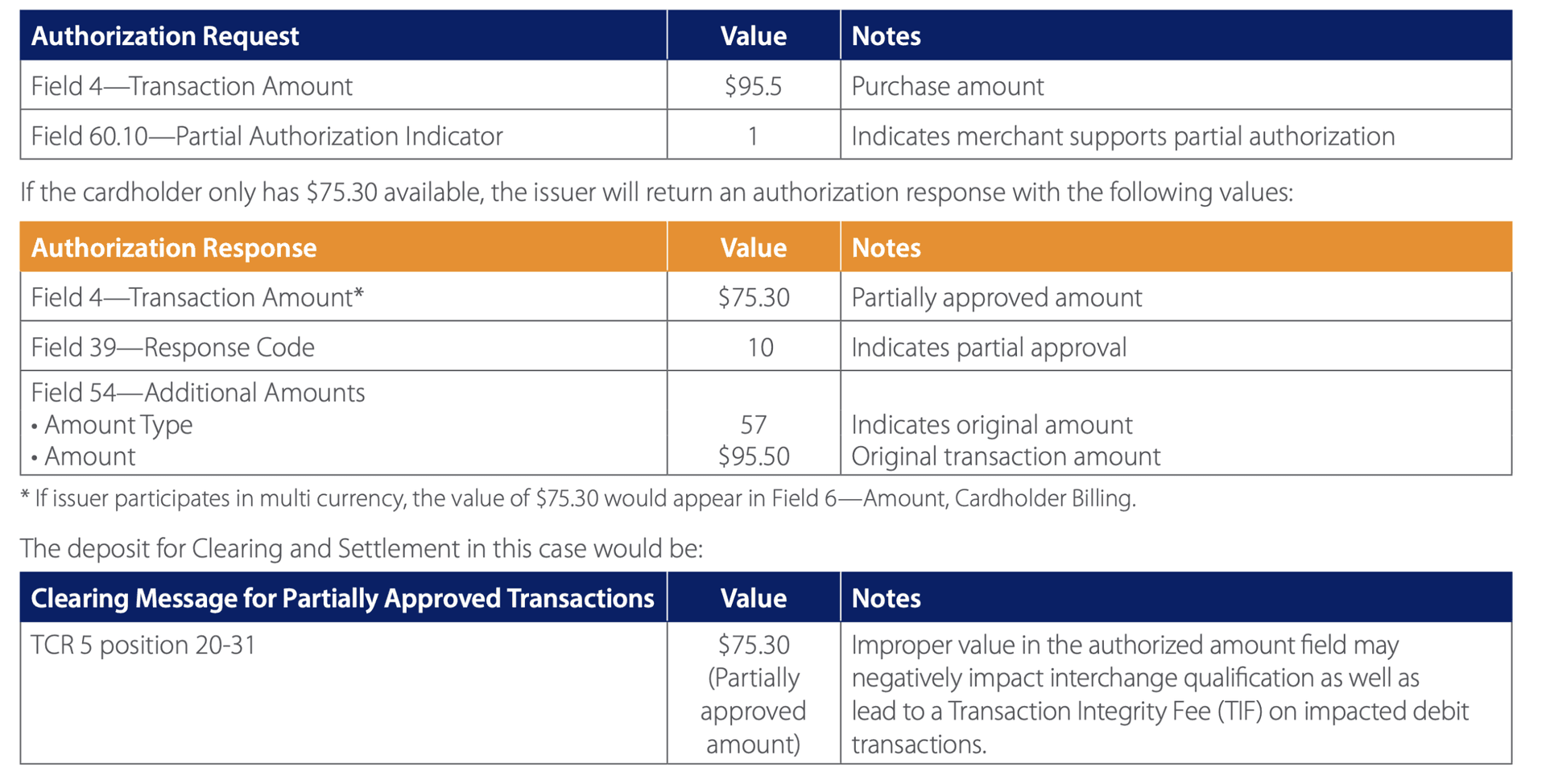
Partial Authorization lets an issuer approve part of a transaction instead of declining it when the balance or limit is insufficient. This post covers how it works in ISO 8583, whether it is mandatory, and why it matters for the business.

Diagram illustrating the retrieval request process in card transactions

Chargeback

What is a Retrieval Request?

A chargeback is when cardholders dispute a transaction made without their knowledge through their card-issuing bank. So what does a Retrieval Request mean? It is essentially a document request related to transactions a cardholder does not recognize on their statement.

Diagram showing how pre-authorization blocks a card's available limit

Credit Card

Which Cards Can Be Used for Pre-Authorization?

Pre-authorization reduces the merchant's risk by blocking part of the card's limit for a set period. Since a credit card has a defined limit, an amount can be blocked against it. ATM cards and prepaid debit cards have no such limit to block.