Credit Card
What Is Anti-Skimming?
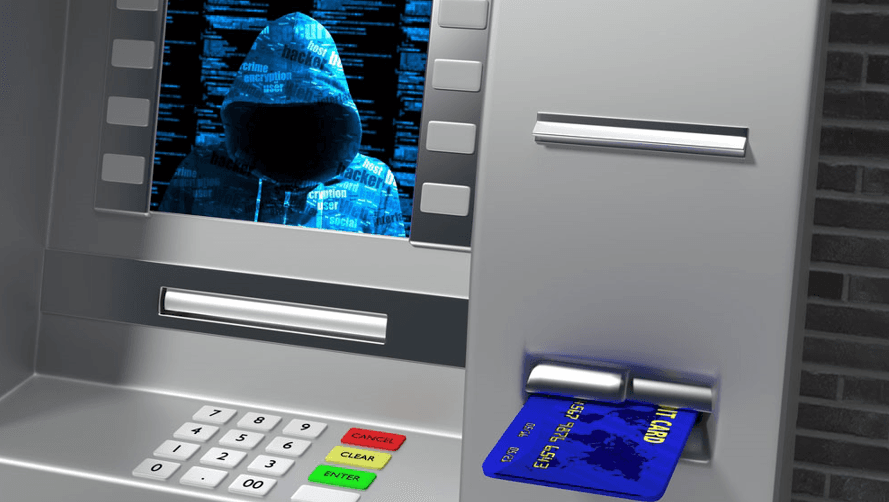
ATM skimming is a high-tech crime in which illegal devices are used to electronically steal or copy cardholders' personal financial information from a card's magnetic stripe.
Search
57 articles found
Credit Card
ATM skimming is a high-tech crime in which illegal devices are used to electronically steal or copy cardholders' personal financial information from a card's magnetic stripe.
HCE
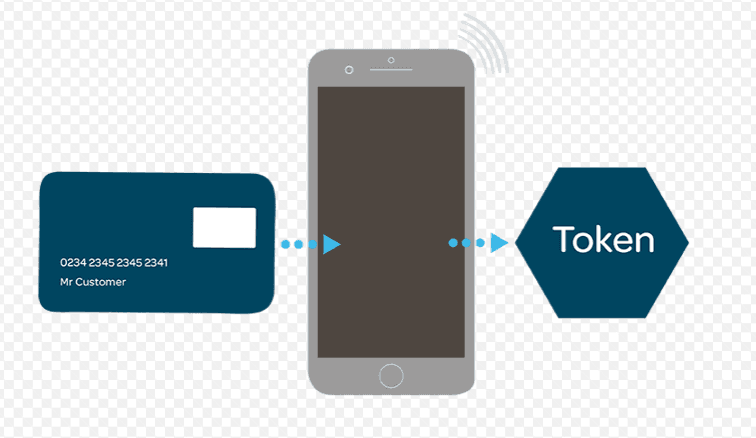
Token types vary depending on the verification method used in a transaction. In offline transactions, general checks are performed by the mobile app and card reader without any verification in the card system. In online transactions, token verification is sent to and verified by the issuer.

ISO 8583
F61 - POINT OF SERVICE (POS) DATA: This field provides information about the specific status of the POS at the time of the transaction. Position Usage Attribute 1 POS Terminal Attendance Indicator 0 = Attended terminal (Valid for MasterCard debit card and Maestro transactions only).
ISO 8583
The card's Track 2 data is carried in this field. Track 2 data contains information such as the card number, expiry date and service code.
Merchant & POS
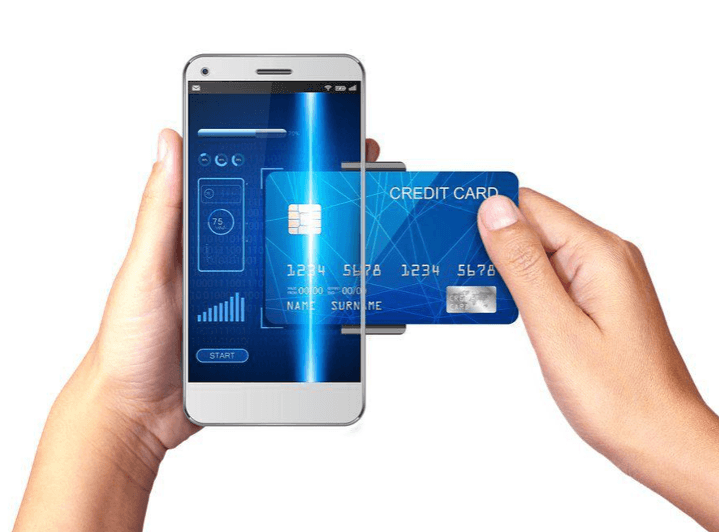
The digital form of Point of Sale (POS) systems is called Digital POS. There is also a software-only subtype called Virtual POS. After Mobile POS (mPOS) and Virtual POS usage became widespread, the term digital POS came to refer to these two products.

Credit Card
It may sound impossible at first, but it is technically possible: a bank can issue chip debit cards under the same BIN as its magnetic stripe cards, with the card scheme's approval.
ATM
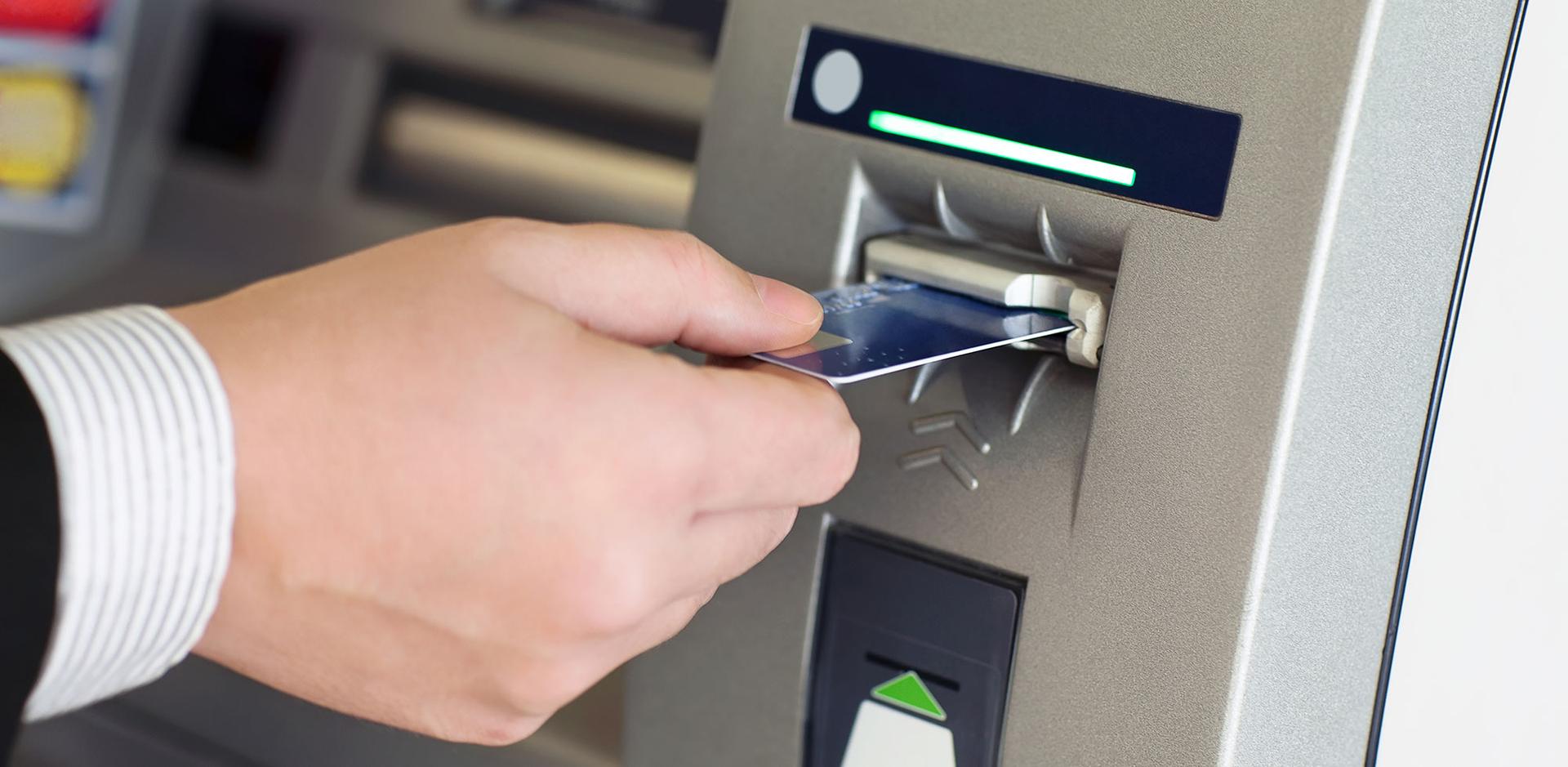
ATM stands for Automated Teller Machine, an electronic device that lets customers carry out account transactions with or without a card. It was invented in 1960 by John Shepherd-Barron. The first ATM in Turkey was installed in 1982.
Payment Systems
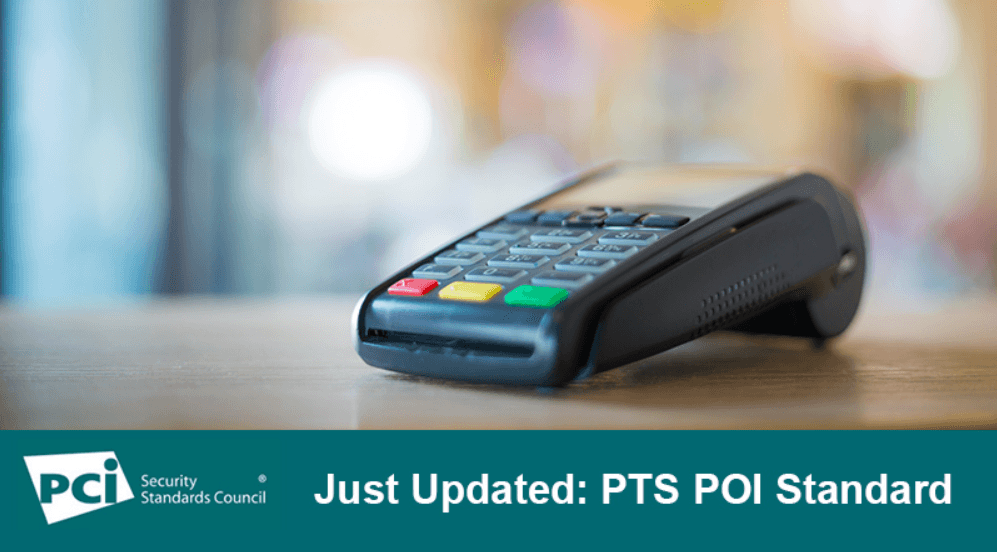
PCI Point of Interaction (POI) was introduced to minimize risk in card transactions. PCI POI Security Requirements cover physical and logical security for both online and offline PIN entry devices (PED) and secure card readers.
Credit Card
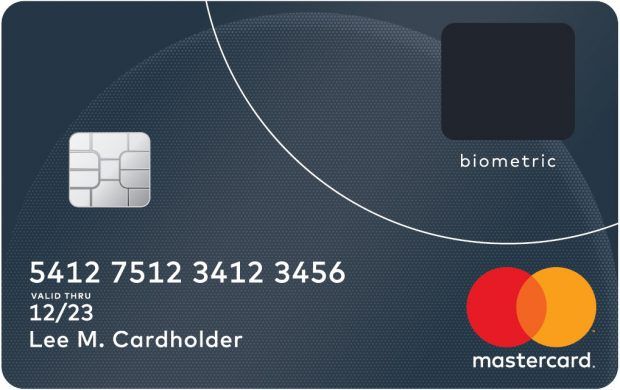
Technology continues to make our lives easier and more secure. Old ID cards were just laminated paper; new ones became personalized and secure with biometric photos added alongside chip data.
Merchant & POS
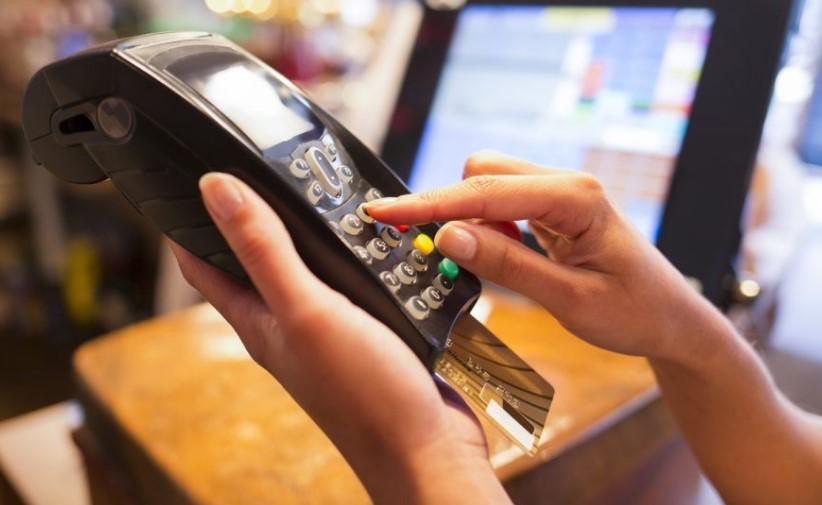
Many transactions are carried out with cards on a POS terminal. Sometimes a transaction must be reversed, and cancellation (void) is one such transaction. A Sale can only be cancelled on the POS before the batch (end of day) is closed; otherwise a refund is needed.

Debit Card
A contactless transaction is a fast, secure payment made between a chip card and a POS device without direct contact, without the card's chip or magnetic data being read through the card reader. Can this be done with a debit card (ATM card)?
Merchant & POS
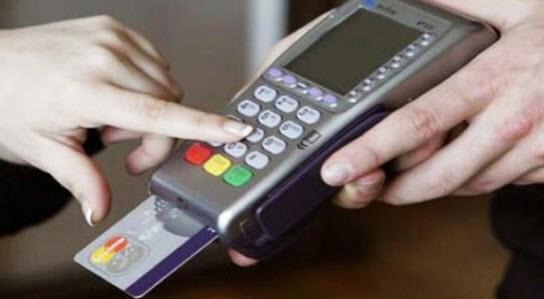
Chip&Pin, introduced in Turkey on March 31, 2006, is a payment method that greatly reduces the risks of card copying and loss or theft fraud. The chip on the card reduces copying risk, while the 4-digit PIN prevents unauthorized use of a lost card.