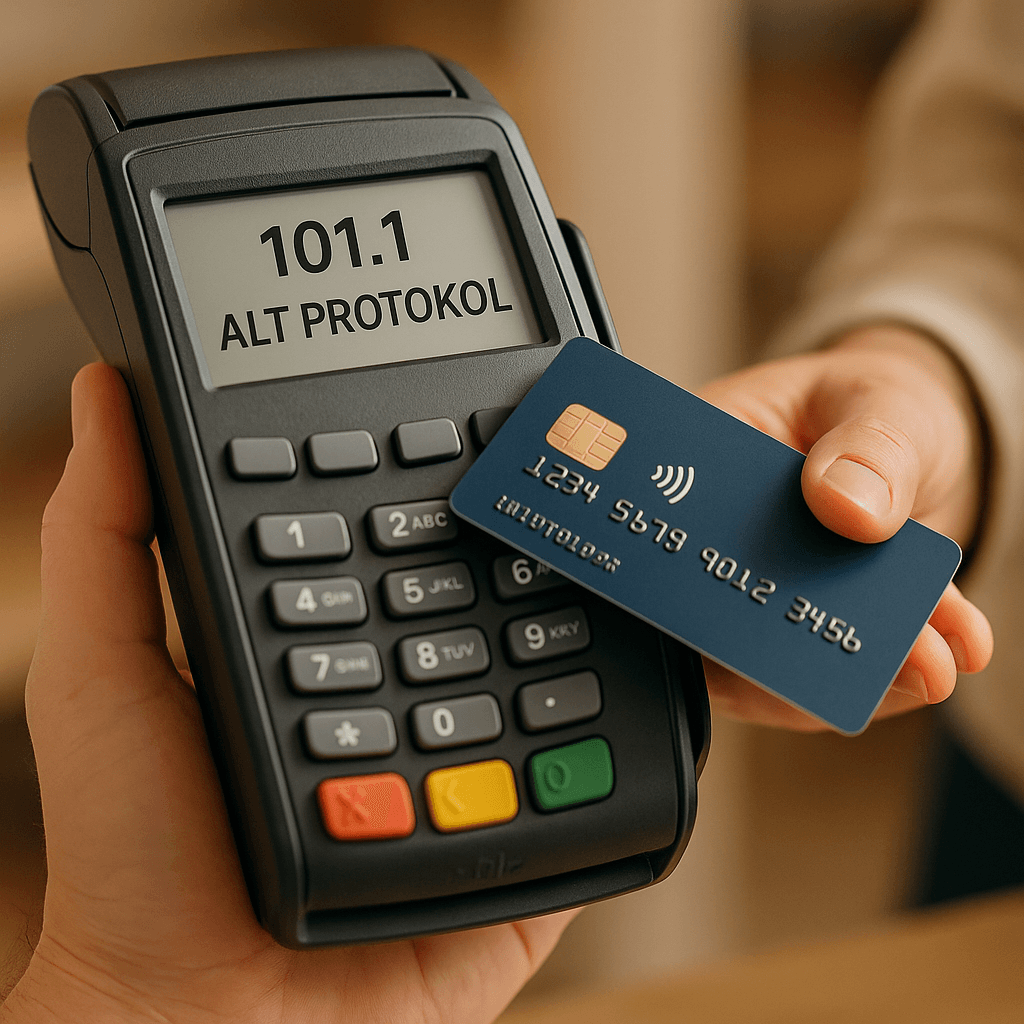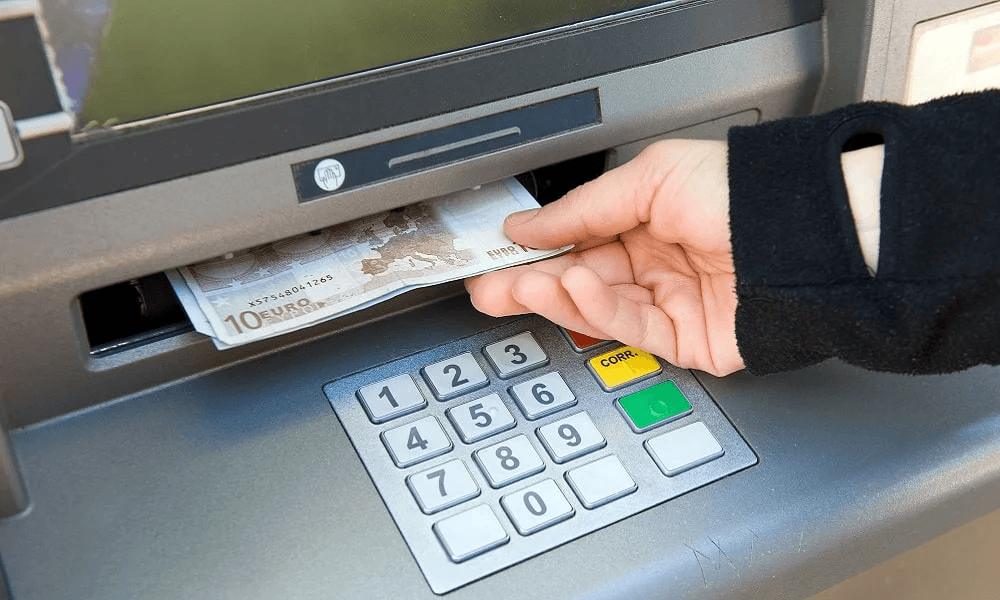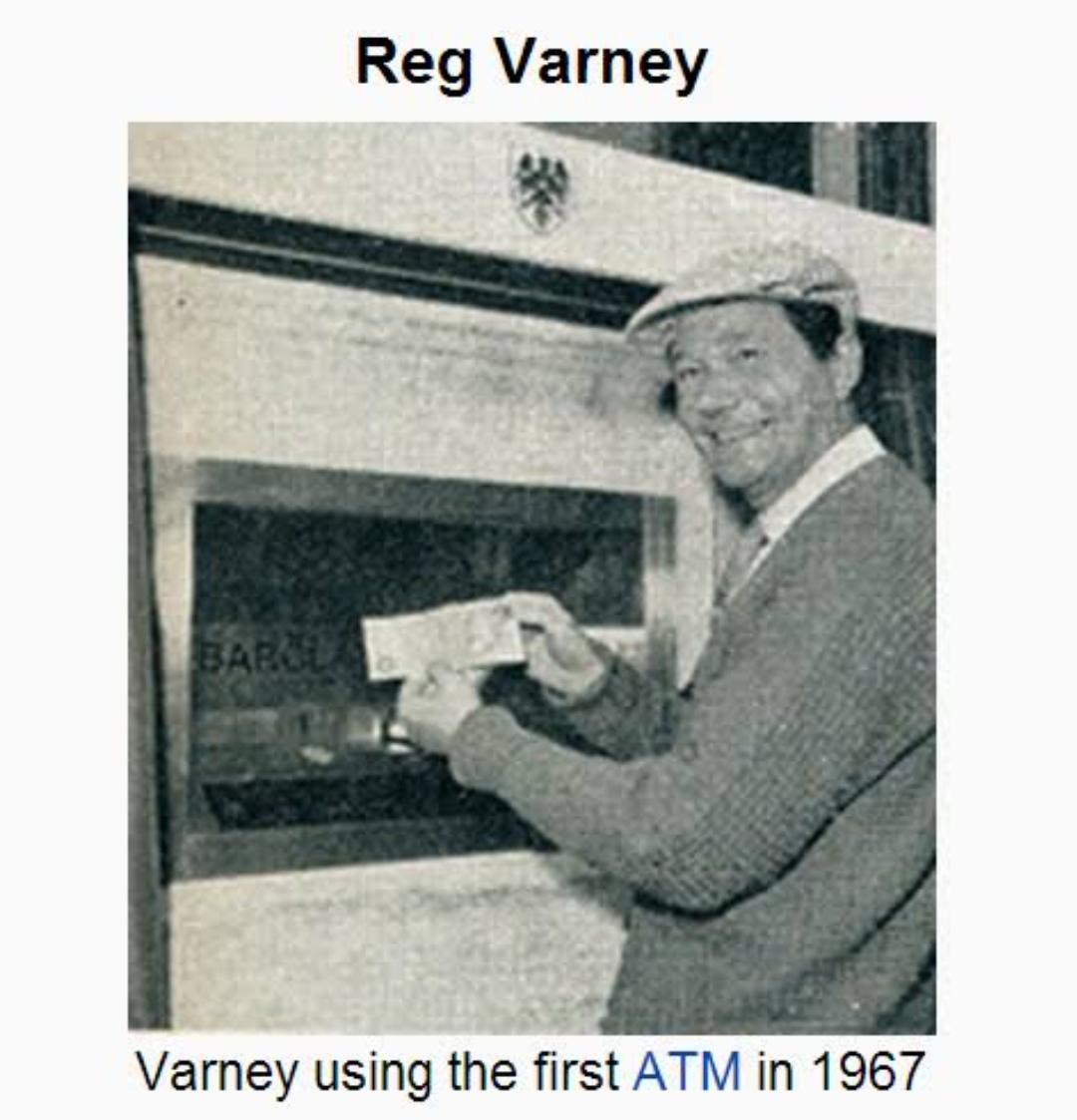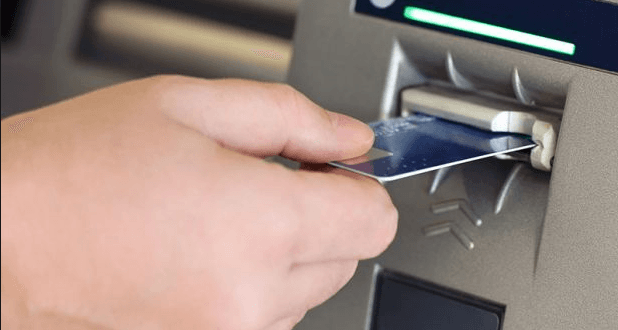
Automated Teller Machine is an abbreviation formed from the initial letters of these words. It is an electronic device that lets a customer carry out transactions on their account, with or without a card. It was invented in 1960 by John Shepherd-Barron.
The first ATM in Turkey was installed in 1982 by Isbank, under the name "Bankamatik." This name, given by Isbank - which introduced Turkey's first automated cash withdrawal machine - became the common name used for all similar systems that other banks market under their own different brands.
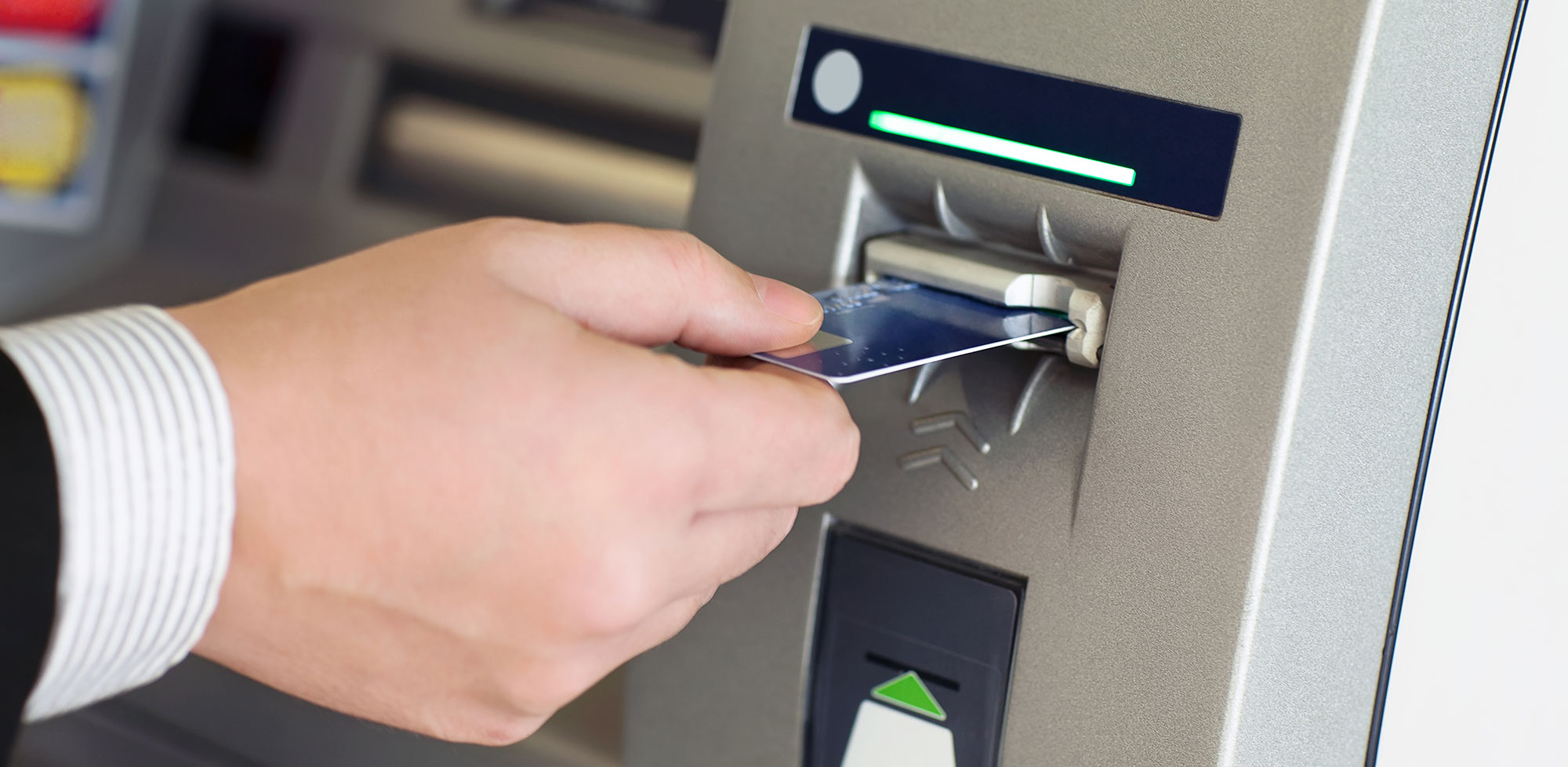
An ATM mainly consists of two input devices and four output devices;
Input devices:
- Card reader
- Keypad
Output devices:
- Speaker
- Display screen
- Receipt printer
- Cash dispensing unit
The main components inside an ATM
The card reader, PIN entry keypad, screen, cash dispensing unit, and receipt printer are the core parts of an ATM. These are managed by the ATM software running on the operating system, and the device is connected to the bank's server over a network.
When a customer carries out a transaction, the ATM transmits the card and PIN information to the bank in encrypted form. If the bank approves, cash is dispensed and the transaction is logged. The secure safe and sensors inside the device protect the cash and help detect possible attacks.
Today, functions such as cash deposits, bill payments, and cardless transactions can also be offered on the same device.