Skip to content

Search

"issuer authentication"

27 articles found

Diagram showing the EMV chip card static data authentication (SDA) process

EMV

What is a Data Authentication Code (DAC)?

DAC is the abbreviation for Data Authentication Code. It is a piece of data assigned by the issuer and held by the terminal during the Signed Static Application Data verification process.

Diagram showing the structure of ISO 8583 field F48 (Additional Data)

ISO 8583

ISO 8583 Field Descriptions (F48)

DE 48 - ADDITIONAL DATA: these are additional data fields that can be used specifically for transactions. It is 255 characters long. Field F48 carries many pieces of information and is divided into PDS (Private Data Subelements).

Architecture diagram of the Visa EAS Server within the Visa Secure 3-D Secure authentication flow

EMV

What Is the Visa EAS Server?

The Visa EAS Server (Extended Access Service) is a server used in Visa’s authentication infrastructure. It was developed to run the cardholder authentication process securely between banks and the Visa network, particularly within Visa Secure (3-D Secure 2.x).

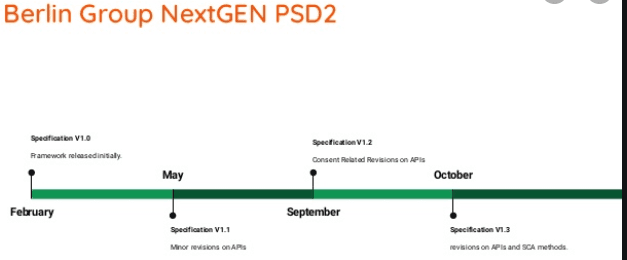
Diagram illustrating the NextGenPSD2 framework for open banking APIs

Open Banking

What Is NextGenPSD2?

NextGenPSD2 is the set of API standards launched by the Berlin Group in 2017, now involving more than 1,700 banks from 20 countries. This post explains what the framework offers to banks, fintechs and third-party providers under PSD2.

Illustration representing Strong Customer Authentication (SCA) under PSD2

Payment Systems

What is Strong Customer Authentication (SCA)?

Strong Customer Authentication (SCA) is a security requirement introduced under the EU's Payment Services Directive 2 (PSD2) to increase security and reduce fraud in online payment transactions. SCA requires two of three independent authentication factors.

Diagram illustrating how a contactless offline transaction is processed

Merchant & POS

Can a Contactless Offline Transaction Occur?

A contactless offline transaction can occur. If the amount is lower than the floor limit defined on the POS and the card also allows offline authorization, the transaction can be completed offline. Offline transactions are periodically sent by the POS to the acquiring bank.

Screenshot of an Address Verification Service (AVS) response code table

Merchant & POS

What is Address Verification Service (AVS)?

Address Verification Service (AVS) is a fraud prevention system that helps limit fraud and chargebacks when used effectively. It verifies that the address a customer enters matches the cardholder's address on file with the issuer.

3D Secure opt-out online payment illustration

Merchant & POS

What Is Opt Out?

In online transactions, Opt Out is the cardholder exercising the right not to enroll in 3D Secure. It is not unlimited: only as many transactions as the issuer allows can be made without 3D Secure.

Diagram illustrating the appeal stage of the card dispute and chargeback process between issuer, acquirer and card scheme

Payment Systems

What Is an Appeal? What Does It Mean in Payment Systems?

In payment systems, an “appeal” is the process of objecting to the outcome of a transaction dispute. It is usually discussed alongside chargebacks, but it plays a critical role in interbank dispute resolution, when a party asks the card scheme to re-evaluate a concluded decision.

Diagram showing the structure of an ISO 8583 message

ISO 8583

What Fields Make Up ISO 8583?

We covered the ISO 8583 basics in an earlier article. This post explains the ISO 8583 message structure in detail: every ISO 8583 message consists of three main parts - the MTI (Message Type Indicator), the Bitmap, and the Data Elements.