Skip to content

Search

"issuer data"

70 articles found

Diagram of an Onus installment transaction flow between POS and HOST

Payment Systems

What are the key points in an Onus Installment project?

Before describing the Onus Installment process, it is better to first answer: what is an Onus transaction? An Onus transaction is when the acquirer and issuer are the same institution, so the transaction is processed through that institution.
Diagram illustrating the TLV (Tag-Length-Value) data structure

Online & Authorization

What is TLV (Tag-Length-Value)?

TLV is a data storage method used to speed up the parsing of data. For example, reading data from a card's chip at a POS and carrying it through authorization uses the TLV structure.

Payment terminal running multiple bank applications as a shared POS

Payment Systems

What is a shared POS? Key points for projects and testing

A shared POS is a bank or institution terminal that can host more than one application. This post covers the software, APN and authorization steps, and the key test scenarios to cover in a shared POS project.

Illustration showing how an Application Identifier (AID) is used in a chip card transaction

EMV

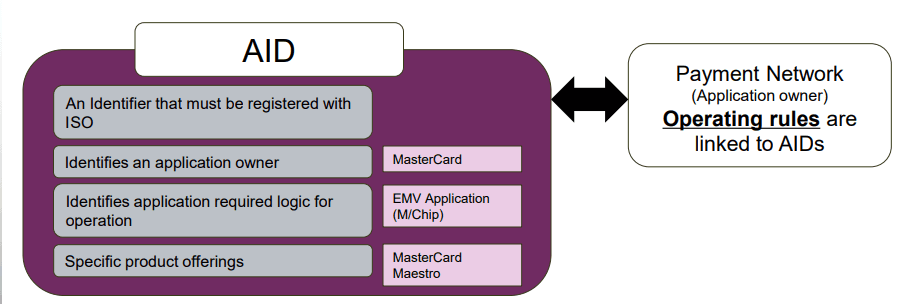
What is an Application Identifier (AID)?

The AID tells the terminal which applications are present on a chip during a POS or ATM transaction. What does the AID do? It lets the terminal determine whether it supports an application on the chip. In Tag 9F06, it is 5-16 digits long.

Visa Merchant Purchase Inquiry (VMPI) process diagram

Fraud

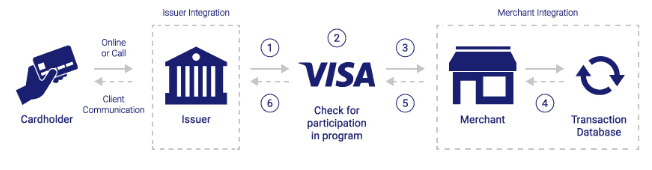
What is Visa Merchant Purchase Inquiry (VMPI)?

Chargeback is the process of refunding a credit card payment when the goods or services that should have been received were not, or when transactions not made by the cardholder are identified. In Turkish it is translated as reversal of presentment.

Diagram of the online authorization flow for below-CVM-limit contactless transactions

Payment Systems

Domestic Flow Change Made for Below-CVM-Limit Online Contactless Transactions

The domestic authorization flow for below-CVM-limit online contactless transactions has changed. Issuers can now ask the cardholder for a PIN or request card insertion instead of simply approving or declining. This post explains the CVM list and the new DE48 PDS22 and DE39 = 65 message flows.

Diagram illustrating the structure of Track3 data on a payment card

Credit Card

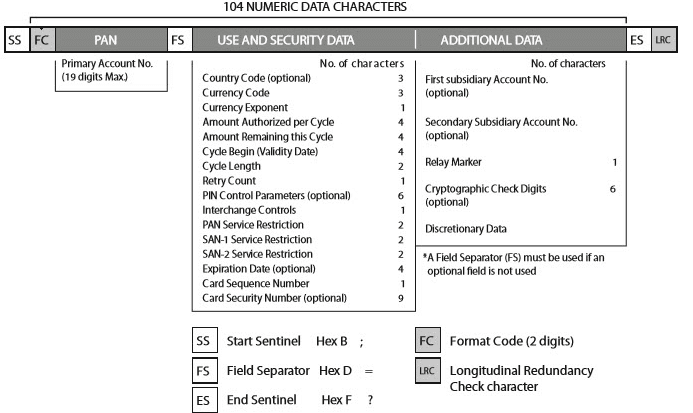
What Is Track3?

Track3 is a field that doesn't need to be written to the card's magnetic stripe. It's used only in very specific cases and isn't required for authorization transactions. Issuers generally don't encode Track3 data onto the card's magnetic stripe. It consists of 104 numeric characters.

Payment card being checked against a card recovery bulletin of problem cards

Merchant & POS

What Is a Card Recovery Bulletin (Card Protection Bulletin)?

A Card Recovery Bulletin is a list of problem cards (lost, stolen, expired, over-limit, counterfeit or otherwise flagged) published by card schemes such as Visa or MasterCard. It shows whether a card number is listed on the date of purchase.

Mastercard SAFE fraud reporting illustration

Credit Card

What Is SAFE (System to Avoid Fraud Effectively)?

SAFE, short for System to Avoid Fraud Effectively, refers to fraud records created by issuing banks. Fraud records sent in the Mastercard clearing format fall under the SAFE category.

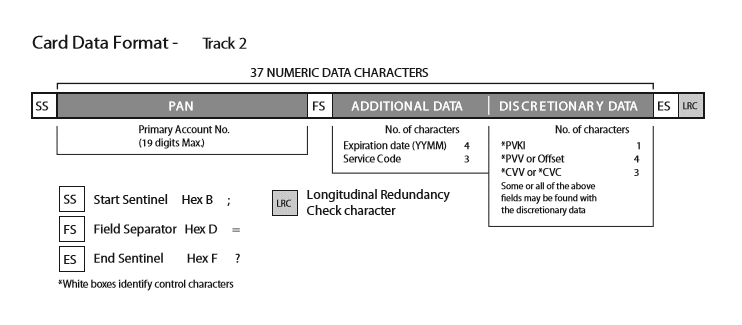
Diagram illustrating the structure of Track2 data on a card's magnetic stripe

Credit Card

What Is Track2?

A special data set printed on a card's magnetic stripe, containing the card information required for authorization when the card is used physically. It consists of 40 numeric characters. The Track2 field structure includes several data fields such as length and description.

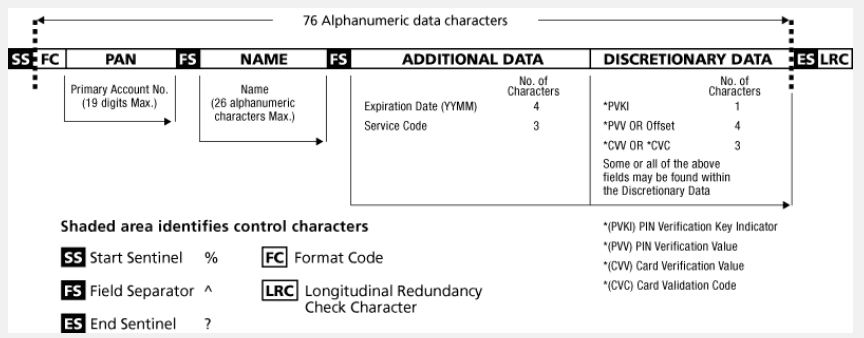
Diagram illustrating the Track 1 data structure and field layout on a magnetic stripe card

Credit Card

What is Track 1?

Track 1 is a special data set encoded on a card's magnetic stripe that contains the card information required for authorization when the card is used physically. It includes the cardholder name, card number, and expiration date.

Illustration representing the products and services KKB offers directly to its member institutions

Credit Card

What Products and Services Does KKB Offer Directly to Members?

KKB was established, under banking law, to enable the exchange of all kinds of information and documents among at least five banks, and it also shares credit information about customers. The Credit Bureau of Turkey also serves deposit banks, participation banks, financial institutions, and more.