Skip to content

Search

"service model banking"

38 articles found

Exterior of the Takasbank headquarters building

Payment Systems

What is Takasbank?

Takasbank (Istanbul Settlement and Custody Bank) exists to increase the competitiveness of Turkey's markets by providing clearing and custody services, financial services, and other economic activities under the relevant legislation.

QR code payment being scanned with a smartphone at a point of sale

Laws & Regulations

The 'TR QR Code' Era in Payment Systems

The Regulation on the Generation and Use of TR QR Code in Payment Systems sets the standards for QR codes in payment services. The Central Bank has taken the first step by drafting rules for a common QR code structure.

Architecture diagram of the Visa EAS Server within the Visa Secure 3-D Secure authentication flow

EMV

What Is the Visa EAS Server?

The Visa EAS Server (Extended Access Service) is a server used in Visa’s authentication infrastructure. It was developed to run the cardholder authentication process securely between banks and the Visa network, particularly within Visa Secure (3-D Secure 2.x).

Brick and mortar bank branch illustration

Payment Systems

What Is a Brick and Mortar Bank?

“Brick and mortar” refers to a business's physical presence in a building. In banking, it describes the traditional branch-based model of face-to-face contact between bank and customer.

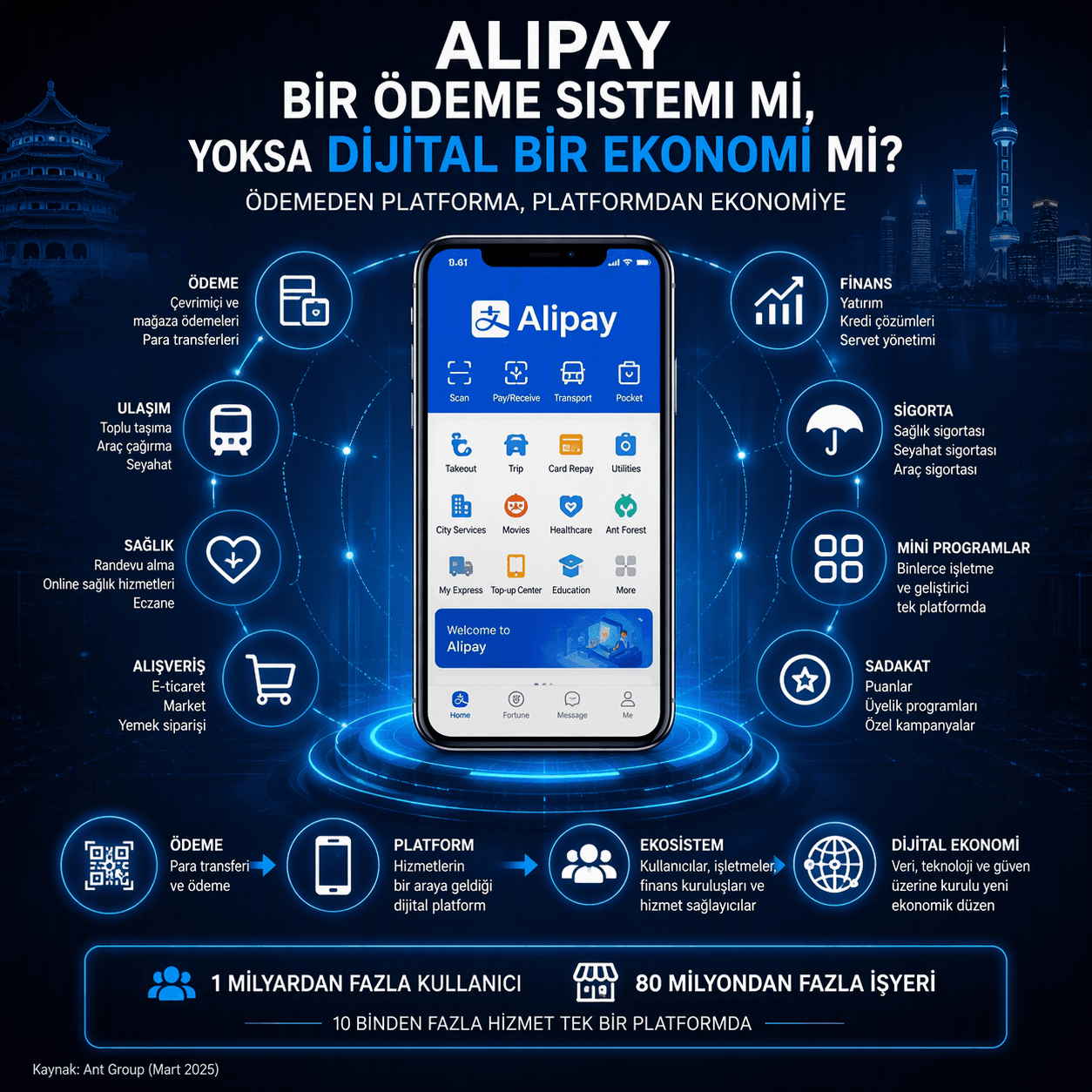
Illustration of the Alipay super app connecting payments, merchants and financial services

Closed-Loop Payments

Alipay: Payment System or Digital Economy? | Closed-Loop Payments #5

Is Alipay a payment system, or a digital economy? In the previous post we discussed how Starbucks shows that payment systems can evolve into a different structure. At first the goal was to make payment easier for the customer. As the system grew, loyalty programs...

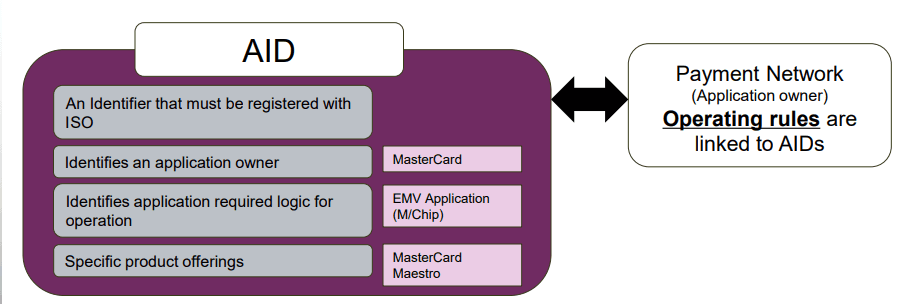
Illustration showing how an Application Identifier (AID) is used in a chip card transaction

EMV

What is an Application Identifier (AID)?

The AID tells the terminal which applications are present on a chip during a POS or ATM transaction. What does the AID do? It lets the terminal determine whether it supports an application on the chip. In Tag 9F06, it is 5-16 digits long.