Skip to content

Search

"statement date"

49 articles found

Credit card limit and over-limit spending illustration

Credit Card

Do I Pay an Extra Fee If I Exceed My Credit Card Limit?

If you exceed your limit by no more than 20% and close it in the next statement period, no more than twice a calendar year, only contractual interest is charged on the excess amount. You pay no additional fee.

Roll of thermal paper used in POS terminals

Merchant & POS

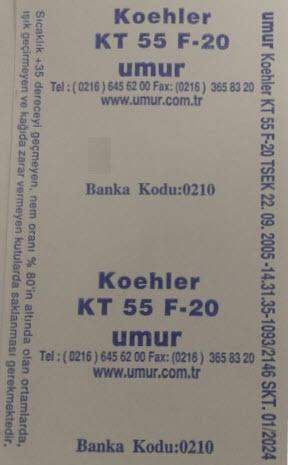
What Features Should POS Paper Rolls Have?

POS paper rolls, which seem like the simplest part of a POS terminal, must still meet certain conditions. Most of us only look at the amount on the front of the receipt, never the back.

ISO 8583 field 13 local transaction date

ISO 8583

ISO 8583 Field Descriptions (F13)

DE 13 — Date, Local Transaction: the date on which the transaction took place at the point of transaction (ATM, POS). It is 4 digits in MMDD format.

Diagram illustrating ISO 8583 Field 12 local transaction time

ISO 8583

ISO 8583 Field Descriptions (F12)

DE 12-TIME, LOCAL TRANSACTION: the local time at which the transaction took place at the point of transaction (ATM, POS). 6 digits, hhmmss format. F12 differs from F7 (Transmission Date and Time).

Person reviewing credit card statement mistakes to avoid

Credit Card

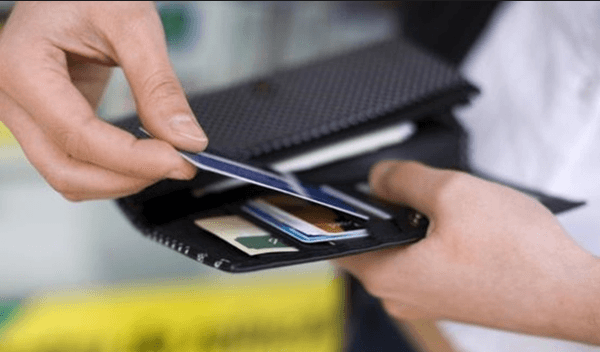
Never do these things when using a credit card

Nearly all of us have at least one credit card in our wallet and use credit cards for almost all of our transactions. A credit card is a good tool for tracking spending, but common mistakes can turn it into a serious problem.

Credit card lying on a flat surface representing a supplementary card linked to a primary account

Credit Card

What Is a Supplementary Card?

A financial card product issued against a primary card, with its own card number, expiration date, authority, limit, and PIN. Using a supplementary card is ideal for making purchases from more than one card while keeping all spending on a single statement.

Diagram of the chargeback process between cardholder, issuer and acquirer

Chargeback

How to Reduce Chargebacks (For Cardholders)

A chargeback is when a cardholder asks the issuing bank to refund a transaction made without their knowledge. It cannot be prevented entirely, but simple precautions can minimize the risk. Here is how the process works and what cardholders should do.