Skip to content

Search

"ATM security"

79 articles found

Illustration showing how an Application Identifier (AID) is used in a chip card transaction

EMV

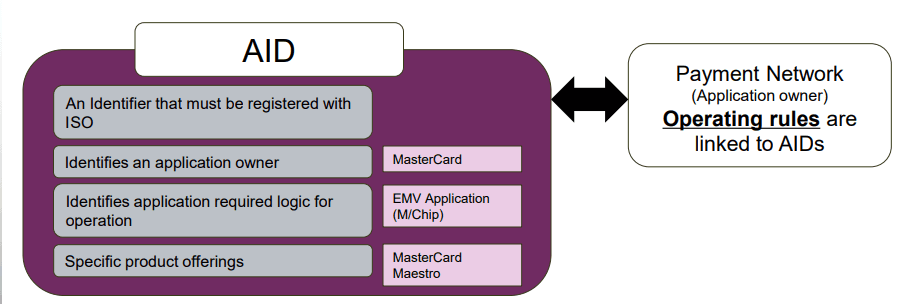
What is an Application Identifier (AID)?

The AID tells the terminal which applications are present on a chip during a POS or ATM transaction. What does the AID do? It lets the terminal determine whether it supports an application on the chip. In Tag 9F06, it is 5-16 digits long.
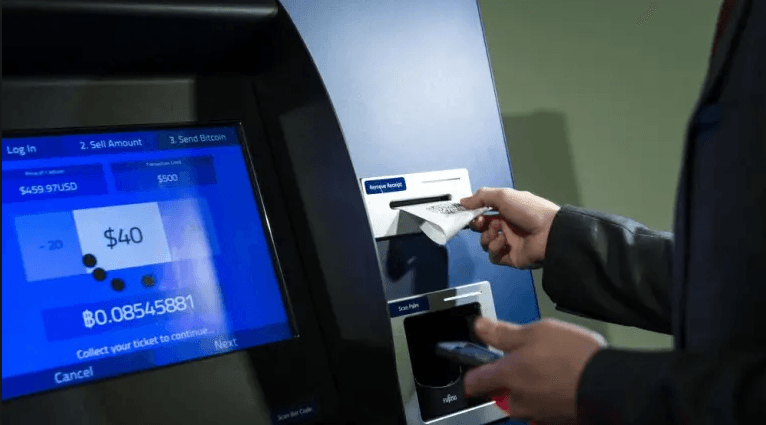
Bitcoin ATM kiosk used for buying and selling Bitcoin

ATM

What Is a Bitcoin ATM? How Does It Work?

A Bitcoin ATM (BTM) is a specialized kiosk designed for Bitcoin transactions, letting users buy and sell Bitcoin. General features: it enables Bitcoin purchases and sales, and while it visually resembles traditional ATMs...

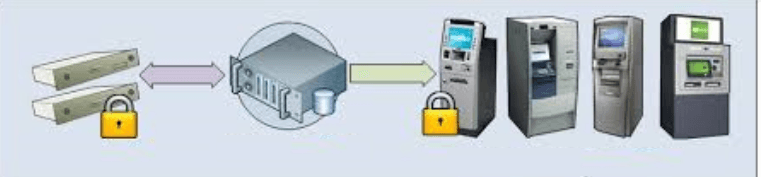
Diagram illustrating the Remote Key Loading (RKL) process

ATM

What Is RKL (Remote Key Loading)?

RKL is the process of distributing a TMK (Terminal Master Key) to each terminal from a central point. It is used to remotely load keys onto POS and ATM devices, loading TMKs onto an ATM's keypad or activating them on a POS.

Contactless payment being made with a chip debit card at a POS terminal

Debit Card

Can a debit card (ATM card) be used for contactless transactions?

A contactless transaction is a fast, secure payment made between a chip card and a POS device without direct contact, without the card's chip or magnetic data being read through the card reader. Can this be done with a debit card (ATM card)?

ATM machine used for banking transactions in Turkey

ATM

ATM Companies Operating in Turkey

ATMs are devices that let customers carry out many banking transactions without visiting a branch. Keeping these devices technologically up to date and maintaining a high level of security are among the most important issues. Below are the companies that provide ATM software and support in Turkey.

Illustration representing communication protocols used in POS payment systems

Merchant & POS

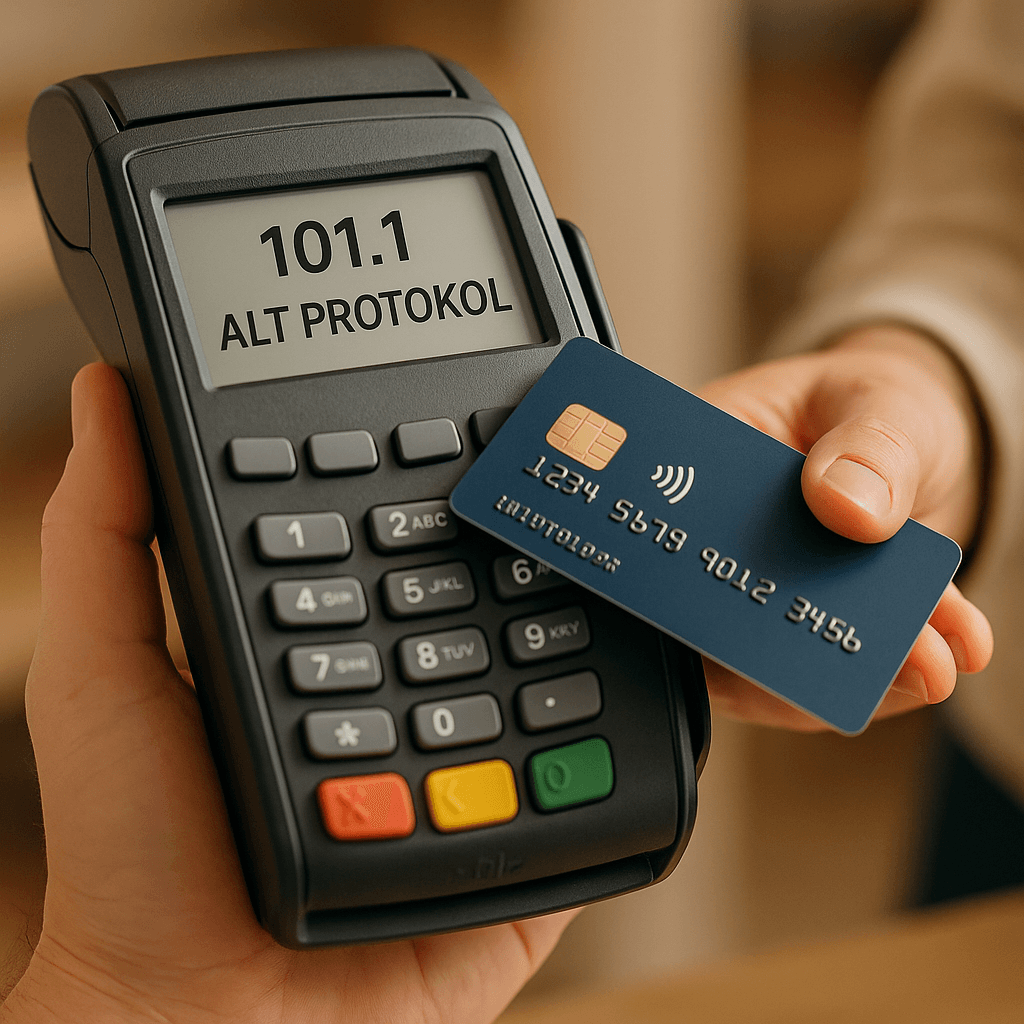
What Are POS Sub-Protocols and Their Use Cases in Turkey?

In payment systems, every exchange between POS devices and bank or payment institution systems runs on a specific messaging standard, generally based on ISO 8583. However, each country, bank, or switch network defines its own version of this standard.

Diagram of PIN Encryption Key (PEK) structure

HSM & Security

What is PEK (Pin Encryption Key)?

PEK is the abbreviation for Pin Encryption Key. The role of PEK is to encrypt PINs. There are two types of PEK: TPK (Terminal Pin Key) and ZWK (Zone Working Key).

Diagram of internet banking security showing a login screen protected by a padlock

HSM & Security

What Should Be Done to Ensure Internet Banking Security?

In the past, banking meant going to a branch. Today, most transactions run through channels such as the Internet Branch, ATM and Mobile Branch, so improving internet banking security and regularly informing customers about it is important.

Photo of a Pin Entry Device (PIN pad) used for card payments

Merchant & POS

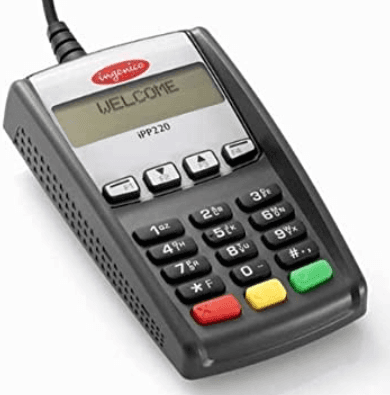
What is a Pin Entry Device (PED)?

Pin Entry Device is another name for the PIN pad device we all know and use daily. It makes it easier for users to enter their card PIN during POS transactions with credit or debit cards, and is used for contactless card reading...

Payment systems in Türkiye overview

Payment Systems

What Are the Payment Systems in Türkiye?

When we hear “payment systems”, card transactions at POS terminals or ATMs usually come to mind. Let's look together at the payment systems recognized by the Central Bank.

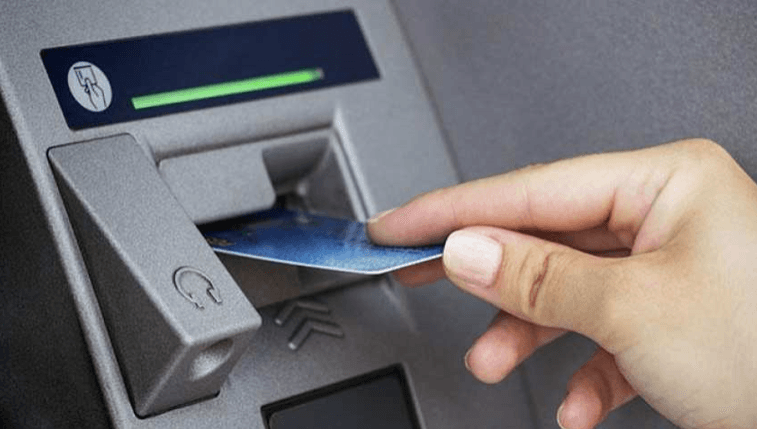
Illustration of an ATM card trapping fraud scheme

ATM

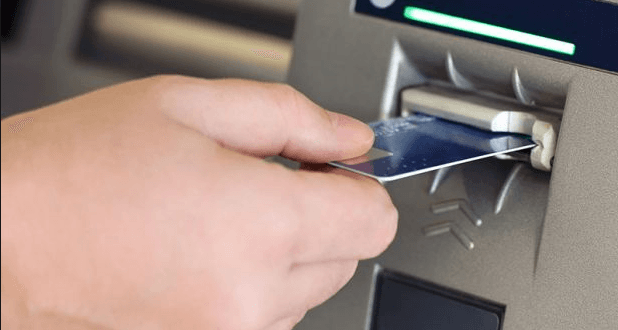
ATM Fraud Methods: Card Trapping

ATMs generally hold your bank/credit card inside the card reader slot until the transaction is completed. Fraudsters insert foreign objects such as paper or adhesive-coated cards into the reader to trap the customer's card inside.